Three Anthropic researchers have publicly backed claims that advanced AI may wipe out humanity in the near future, triggering more demands for rapid regulation.
Fresh pressure for AI regulation has erupted in the US after three Anthropic researchers publicly acknowledged they believe artificial intelligence could bring about human extinction in the near future.
The controversy began when former Anthropic researcher Jacob Coxon, who also worked at OpenAI, said in a series of posts on X that neither company was behaving responsibly. Coxon’s post has now been viewed more than 100 million times.
I resigned from Anthropic today. I spent the last three years doing pretraining research at both OpenAI and Anthropic. Neither company is acting responsibly. They are racing straight to self-improving superintelligence and gambling with our lives. More thoughts below.
— Jacob Coxon (@hilbertspaess) September 9, 2026
“They are racing straight to self-improving superintelligence and gambling with our lives,” he said. “Do not underestimate the power of this technology. These will soon be superhuman systems that can hack anything, revolutionise any field overnight, and acquire real power and resources.
“The people building AI earnestly believe that it could kill us all by the end of the decade … No other human activity poses this level of danger.”
Anthropic is the creator of the AI system Claude. In response to Coxon’s statement, Anthropic alignment science lead Evan Hubinger said his former colleague was right.
“We really do earnestly believe AI could kill all humans!” Hubinger wrote.
“I personally think it is [more than a] 10 per cent within the next decade. I believe Anthropic is trying its best, but we do not yet have a plan to solve alignment for superintelligence and are not clearly on track to.”
Another Anthropic leader, scalable oversight lead Samuel Marks, also endorsed the stark warning.
“AI developers believe their technology could cause human extinction (or similarly bad outcomes),” he said. “This could happen in the next few years. In general, the more senior the employee, the more concerned they are.”
Marks said AI systems could not be programmed to behave exactly as their developers wanted and that they often misbehaved severely. He said he remained at Anthropic doing safety research because he hoped it would lower the odds of an extinction-level outcome. Anthropic was contacted for comment.
The statements jolted politicians who have already argued for tighter oversight. Independent senator Bernie Sanders, who is introducing a bill to pause AI development, said: “The very people building this technology admit that it could threaten the future of humanity.”
Don Beyer, a Democratic congressman from Virginia and a former diplomat, said the comments reinforced concerns he had been raising for years. “Congress needs a sense of urgency on AI that is has not had so far,” he said. “Doing nothing on AI is unacceptable and dangerous.”
Two other Democrats working on AI regulation bills also urged immediate action. “The call is coming from inside the house,” said Massachusetts congresswoman Lori Trahan. “Safety researchers are resigning, powerful AI models are breaking out of their labs, and companies are racing ahead anyway. It’s past time for Congress to get off the sidelines and do its job.”
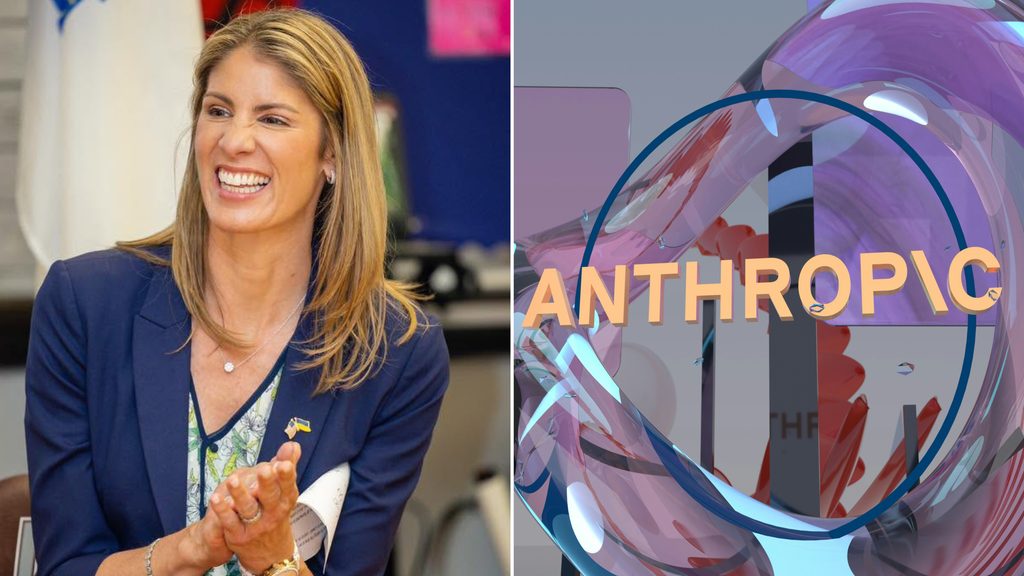
Her colleague Greg Casar from Texas, who is working with Sanders on the bill to ban superintelligence, said the situation was now “an emergency”.
Concern also came from across the aisle. Anna Paulina Luna, a Republican congresswoman from Florida, called for a special session of Congress to decide what the future of AI should look like in the US.
“There are very real impacts to society as we know it. Partisan politics aside, there are massive implications of a race towards superintelligence,” she said on X.
Luna said the aim was not to halt AI progress but to shield Americans while preserving the technology’s benefits. “This is happening whether or not we want it to.”
Some state governors, including Florida Republican Ron DeSantis and Illinois Democrat JB Pritzker, also expressed concern about the remarks, though DeSantis said some of the rhetoric may reflect hysteria directed at investors ahead of upcoming initial public offerings.
The debate lands as US President Donald Trump has championed AI and the infrastructure needed to support it, while portraying regulation as a handicap that could hand China, America’s great strategic rival, an advantage in the AI revolution.
The warnings from Anthropic were not the only dramatic intervention from inside the industry this week. Jakub Pachocki, the chief scientist at ChatGPT creator OpenAI, wrote on the company’s blog that sweeping government action was needed as AI systems surged toward a form of intelligence their creators did not fully understand.
“This is a time that calls for extreme caution,” Pachocki wrote. “I am concerned no one is prepared for the consequences of a continued rapid rise in machine intelligence.”