Antarctica has a habit of turning an offhand comment into a four-year project. That is exactly what happened for Sydney traveller Ruth T, whose trip began as a passing remark to her husband and ended with the couple standing on the continent itself, celebrating their wedding anniversary. For couples weighing up whether this is finally the cruise to book, the number that matters most is not the cheapest fare on the flyer. It is when you book, and how long a crossing you choose.
The cost that actually lands on your card
Getting to Antarctica from Australia starts around $10,000 per person, but that figure buys the cheapest route onto the continent, not the trip most first-timers picture. A proper 12-day expedition sailing, such as Aurora Expeditions’ Spirit of Antarctica itinerary, runs from roughly $20,595 per person twin share. Some couples have reported quotes of $25,000 to $30,000 for two people on a comparable 12-day voyage, depending on ship and operator.
That spread matters because the headline fare is rarely the whole bill. Flights from Australia to the South American departure city, commonly Ushuaia via Buenos Aires, sit outside the cruise fare entirely, as do gear hire, travel insurance and onboard extras. Before comparing two operators’ prices side by side, confirm exactly what each one includes.
Choosing your route onto the continent
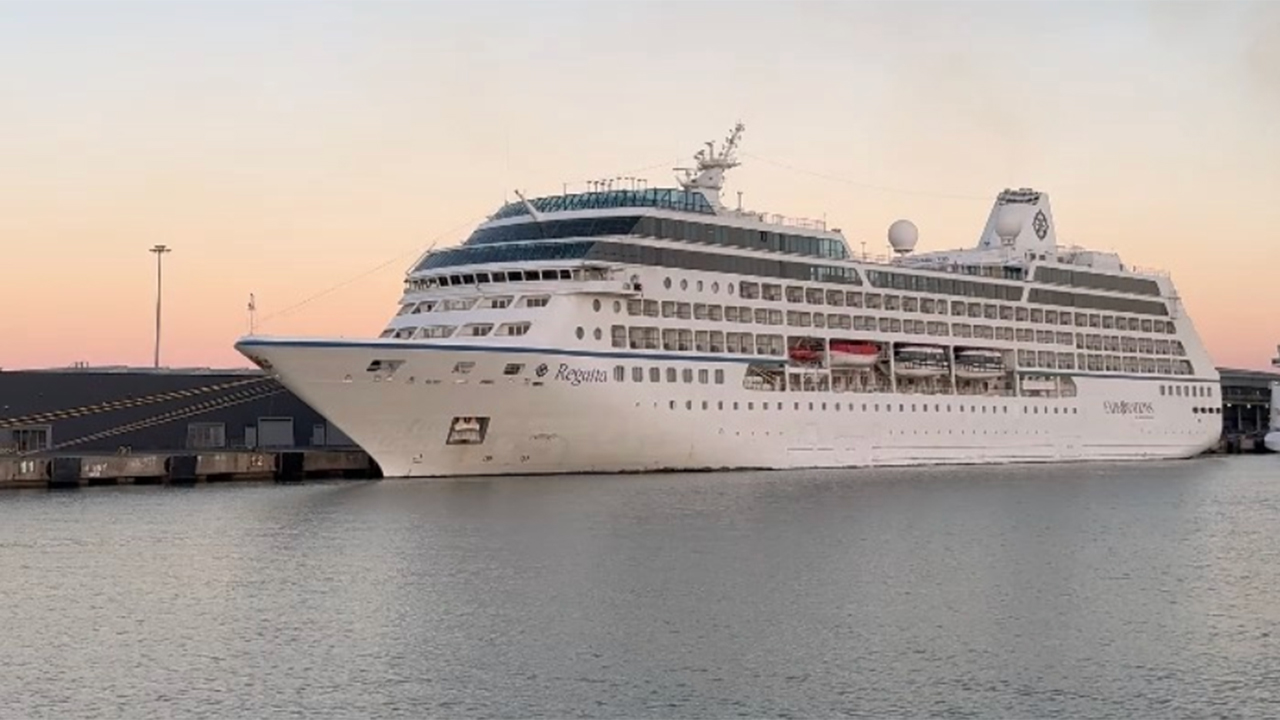
Peninsula cruises departing from South America are the shortest and cheapest way in, which is why they are the standard first-timer choice. At the other end of the scale, direct expedition cruises from New Zealand, departing Invercargill or Bluff, run 28 to 30 days and reach the less-travelled eastern side of Antarctica – the most time-hungry and expensive way to make the trip. Some mainstream cruise lines also run itineraries that include Antarctica from around $10,000 for a balcony cabin, a markedly cheaper route onto the continent than a dedicated expedition ship, though the trade-off is a less intensive wildlife and landing programme.
Independent travel to Antarctica is not permitted, so almost every first-time visit is a guided expedition cruise rather than a land-based holiday. Within that structure there is genuine spontaneity – itineraries shift constantly around weather and ice, which is part of the appeal for couples who like a holiday with a pulse rather than a fixed script.
The two days that decide your holiday
Getting there means crossing the Drake Passage, named after Sir Francis Drake and swept by the Antarctic Circumpolar Current with no land mass to slow it down – which is exactly why it carries such a reputation. The crossing takes about two days each way, faster in good conditions. Swells range from a calm one metre up to seven or eight metres, and even three to four metres is enough to unsettle some travellers, though it sits well within what operators consider normal. Before departure, the expedition team runs a briefing so passengers know what conditions to expect, and most operators track the crossing on PassageWeather.com and reroute around the worst of it where they can.
What a day on the ice actually looks like
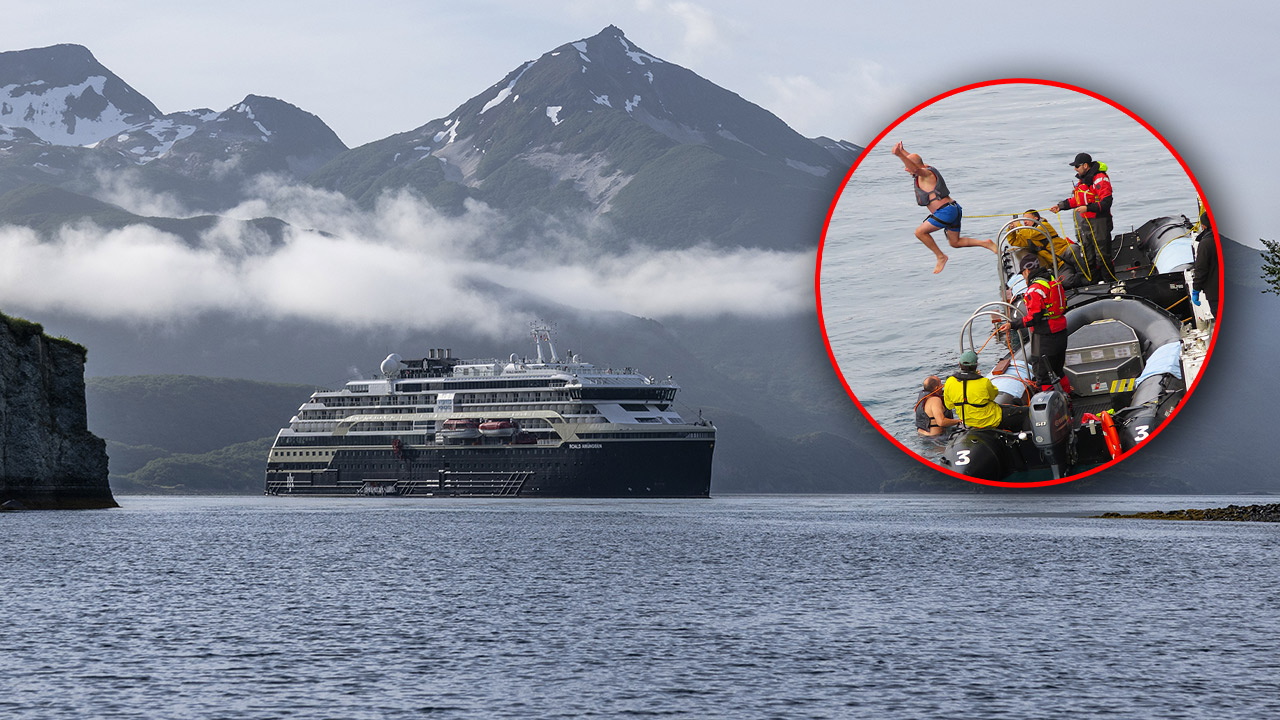
There is no dock in Antarctica. Every landing happens by Zodiac onto ice, beach or rock, and the fixed daily programme of a mainstream cruise gives way to expedition briefings that change with the weather. It is a busy, active rhythm rather than a leisurely one – better suited to couples happy to go with the flow than those who want a locked-in itinerary printed on day one.
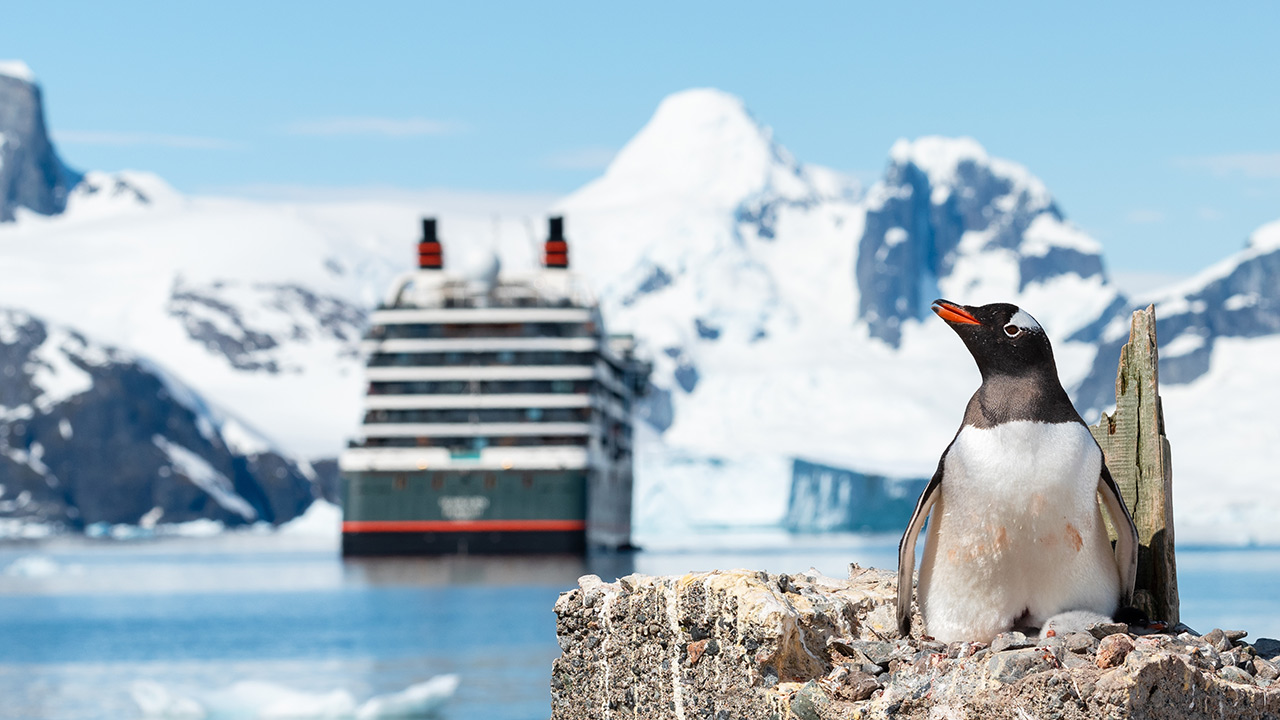
The reward for that flexibility is close contact with wildlife most cruises cannot offer: gentoo penguin chicks, albatross, whales and hunting leopard seals, set against a landscape one traveller described as feeling like stepping onto a science fiction planet.
Before you book
The Antarctic cruising season runs November to March only, and cabins on the more sought-after expedition ships are limited by design – Aurora Expeditions has already flagged limited availability on some 2026 departures. Booking well ahead of the season, ideally a year or more out, gives couples first pick of cabin and itinerary rather than whatever is left.
Given the remoteness, the length of the crossing and the fact independent travel is not an option, travel insurance covering medical evacuation and cancellation is essential. Confirm with your insurer that Antarctic expedition cruising is specifically covered, since standard policies do not always include it, and check the operator’s own cancellation and rebooking policy given how weather-dependent this itinerary is.
Ruth T needed four years of planning and saving before she and her husband stood on the ice together. Her advice to anyone still on the fence carries no hesitation at all: “I would advise anyone with the smallest inkling or desire to visit Antarctica to just do it.”