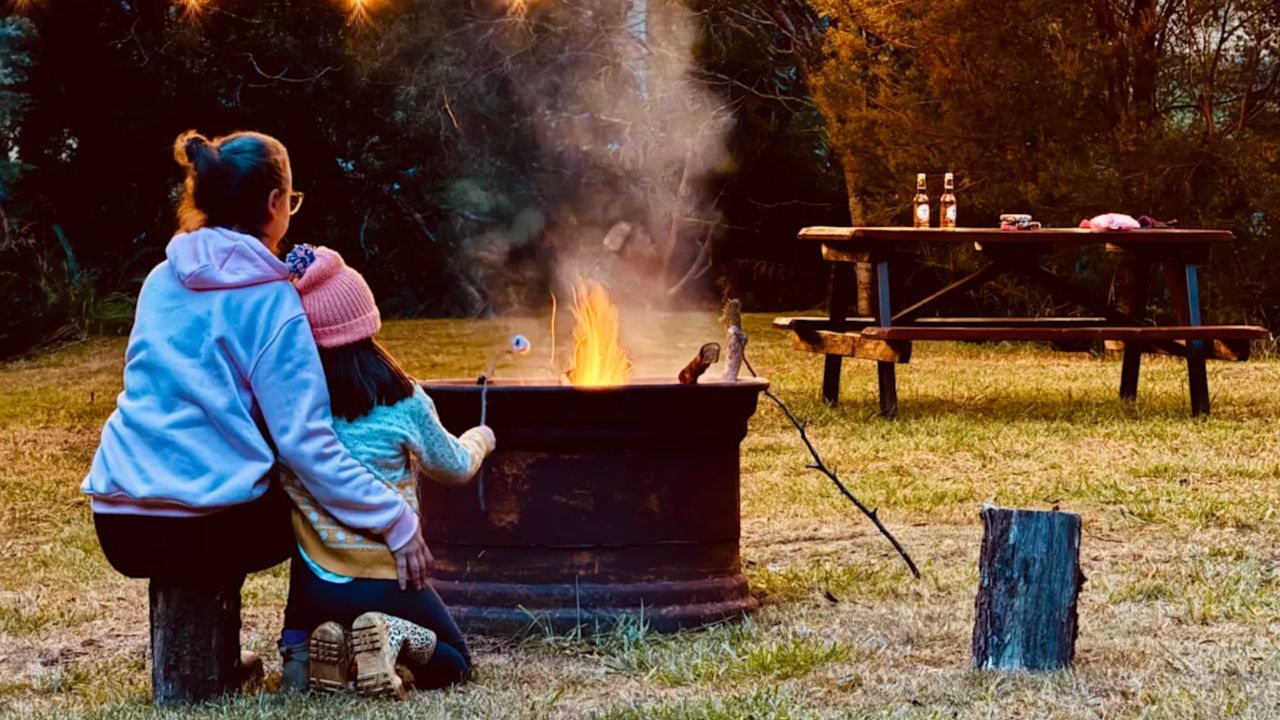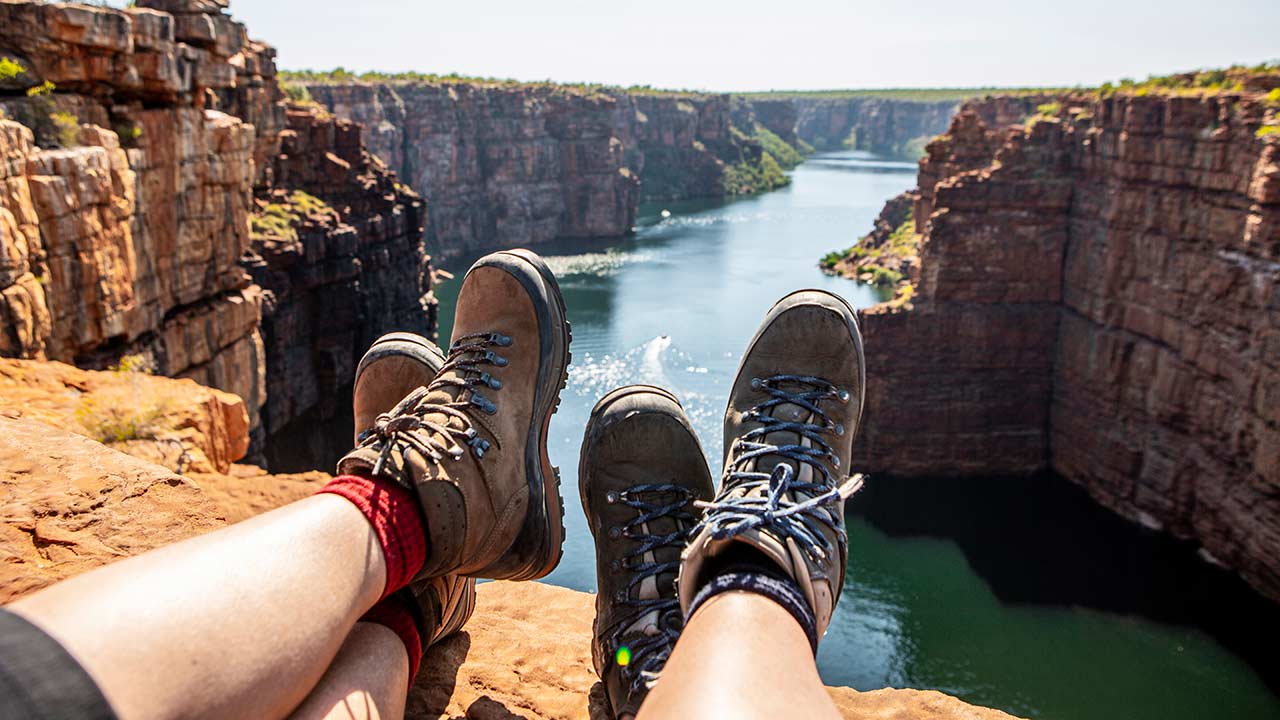
The trips that actually work for a family spanning a seven-year-old and a seventy-year-old grandparent share the same bones every time: one home base, short travel days, and a stretch of hours each day when grandparent and grandchild go their separate ways.
That structure turns up again and again in advice from grandparents who have made these trips work, and in the programs built by tour operators overseas who specialise in grandparent-grandchild travel. None of those operators can be booked from Australia, but the shape of what they build is worth borrowing for anyone planning a week away with a grandchild this spring.
Why one base beats a moving itinerary
Our pick for this kind of trip is a single-base structure over 7 days: one property, ground-floor or single-level family rooms available on request, lift access where the building has stairs, and no more than one internal travel day across the whole week. Everything else radiates out from there as day trips, so nobody is living out of a suitcase every second night.
Overseas, the specialist operator Road Scholar builds its grandparent-focused programs around exactly this idea – a single themed base, whether that is a Costa Rica cloud forest lodge, a city break, or a STEM-themed trip built around a project like robotics, rather than a multi-stop tour. Road Scholar is not bookable from Australia, but the planning principle transfers cleanly: pick a base with everything walkable or shuttle-linked, the same logic that underpins the old advice to stay on-property at a theme park for the transport and the extended hours.
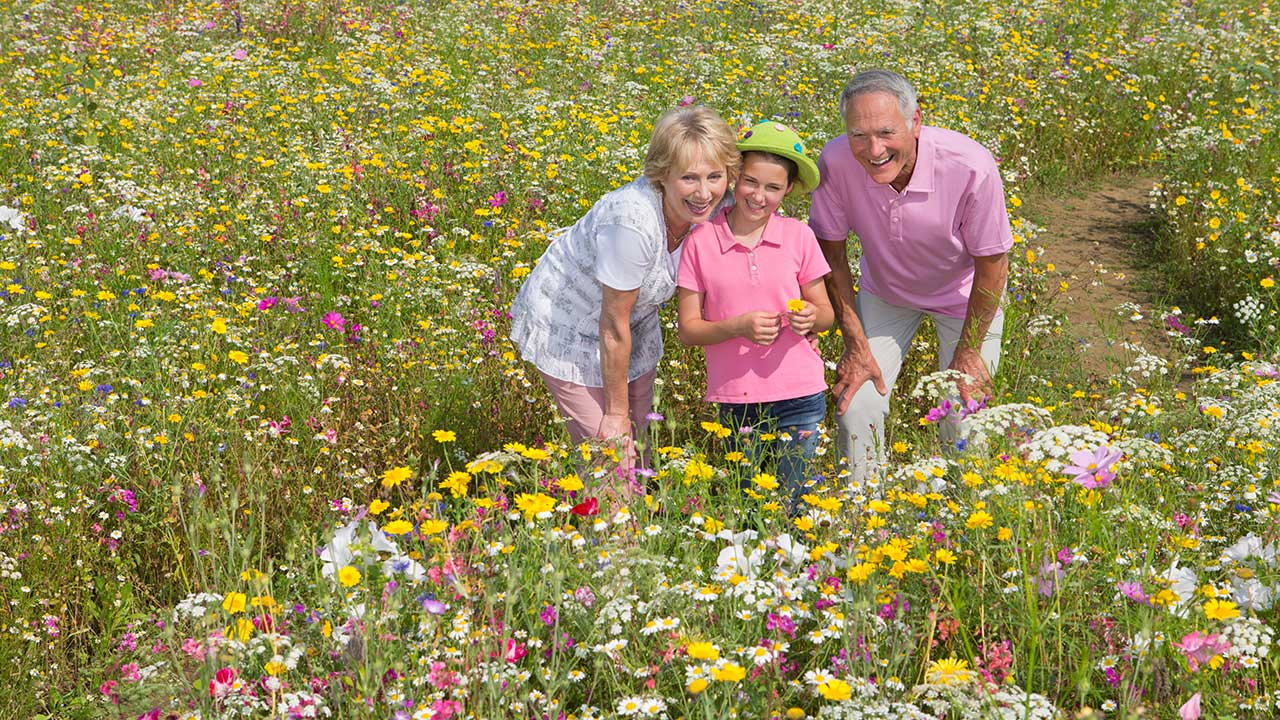
A domestic version of that shape suits the Perth hinterland or the Mid West particularly well this spring, since September sits inside the WA wildflower season and rewards a base-and-day-trip pattern rather than constant repacking. It also lands at the tail of the cool-season window for short-haul Asia, worth weighing against a domestic option depending on how far a family wants to travel with young children in tow.
The separate time that keeps the whole week working
Built-in separate time is the detail that keeps surfacing whenever grandparents talk honestly about what makes these trips sustainable past a long weekend. A few structured hours where the grandchild is in supervised activity and the grandparent has genuinely unstructured time, and back again the next day, seems to matter more than any single destination.
That does not mean the trip should split grandparent and grandchild entirely. Road Scholar’s own marketing for its grandparent trips leans hard on shared discovery – snorkelling a reef together, building a robot side by side, or the specific image its Costa Rica program is built around: a grandmother and grandchild standing on a bridge over the cloud forest canopy, both pointing up into the trees at the same moment. The trip works best when it alternates between that shared wonder and the quiet break each generation needs from the other.
Cost, more than distance or destination, tends to decide how long and how far these trips run, based on discussion among grandparents planning their own trips online. One thread on a grandparent travel forum is titled, plainly, “How to cope with being away from kids and grandkids while traveling” – a reminder that the emotional cost of time away cuts in both directions, not just the logistical one. Another contributor’s advice on length has stuck: “Take it trip by trip. Make trips shorter or longer depending on what’s happening around you.” Forum discussion elsewhere backs that flexibility up, with trip lengths reported ranging anywhere from four to 10 days depending on the family’s circumstances that year.
What this actually costs, and what still needs checking
We have costed this shape at an estimated $3,450 per person for the 7-day structure, but that figure is a placeholder built from the general pattern of base-property pricing rather than a genuine quote from an Australian-bookable operator or property – no packaged, AU-bookable grandparent-grandchild trip surfaced in our research at all. Treat it as a starting point for your own enquiries, not a fare to book against.
A few costs are worth budgeting separately rather than folding into that headline figure: a second or connecting hotel room, meals and activity entry fees for a child, and travel insurance that specifically covers a minor travelling with a grandparent rather than a parent. Insurers vary on whether a grandparent can claim as the responsible adult for someone else’s child, and some require the parent to be named on the policy – get this confirmed in writing with your insurer before you pay a deposit, not after. A private-room premium is also common wherever a trip is priced per person twin-share and there is no genuine grandparent-and-grandchild double-occupancy rate, so ask about that up front too.
This gentle single-base pace suits grandchildren roughly six to 12. Once a grandchild is over about 12, a week built around one base and a fixed rhythm may feel slower than they want, and a trip with more built-in variety is probably the better fit. Confirm exact WA wildflower peak dates and how they line up with Australian school holidays before locking in departure dates, and confirm fares, room configuration and insurance requirements directly with whichever property or operator you land on – nothing here should be booked on the strength of an estimate.
Skip this trip if what you actually want is three generations under one roof – that is a different holiday with a different shape. But for a grandparent wanting real, unhurried time with one or two grandchildren, without babysitting an entire family holiday, a week built around one base, short days and a little space apart each afternoon tends to deliver exactly the thing everyone came for: two people, at very different points in life, standing on the same bridge, pointing up at the same canopy.