An Australian-led personalised cancer vaccine may reshape melanoma treatment after clearing its largest test yet by preventing the disease from returning and spreading.
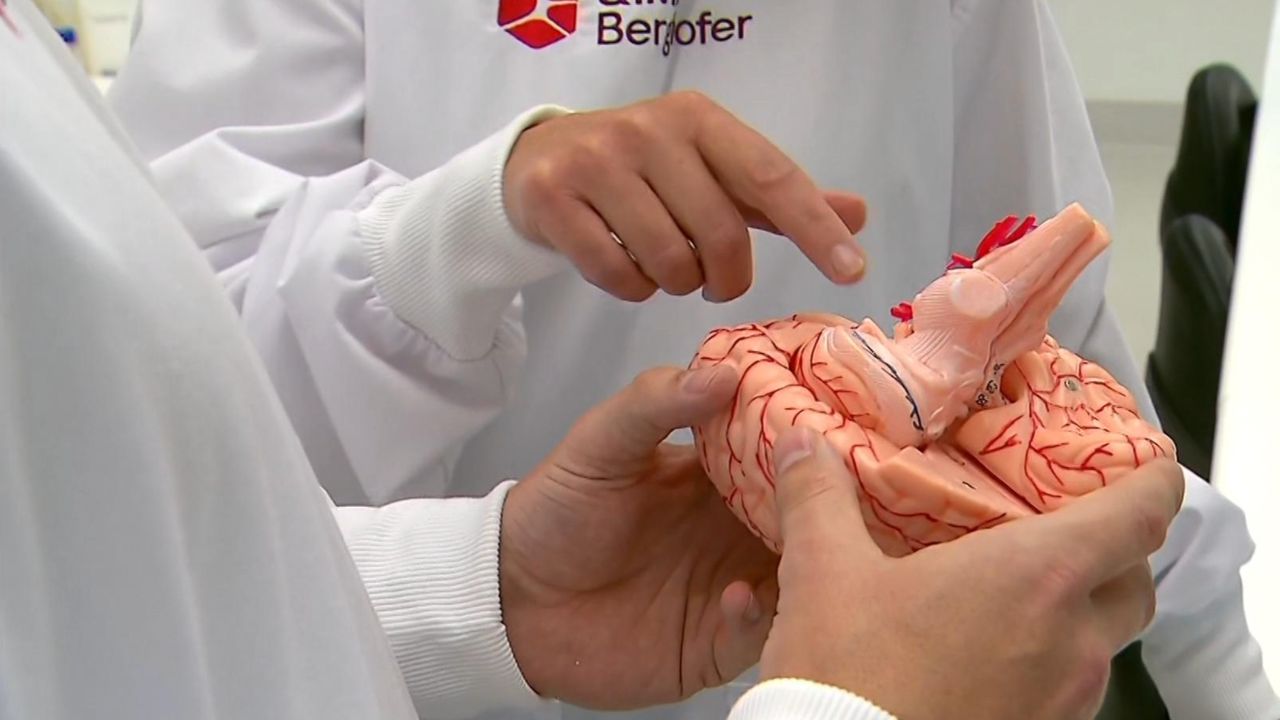
The treatment was developed by analysing a patient’s tumour and blood after melanoma has been removed, allowing researchers to identify the cancer’s unique cells. A vaccine is then created for that individual, training the immune system to recognise and attack the cancer if it comes back. It is administered alongside the immunotherapy drug Keytruda.
While mRNA technology became widely known through COVID vaccines, this is the first mRNA cancer treatment to succeed in a phase three trial.
Melanoma Institute Australia’s Professor Alex Menzies described the development as occurring “In the new era of oncology and a new era of immunotherapy,” and later called it “A potential breakthrough across the whole of oncology,”
The result is especially significant in Australia. “We have some of the worst rates in the world, but we also have some of the best researchers,” Health Minister Mark Butler said.
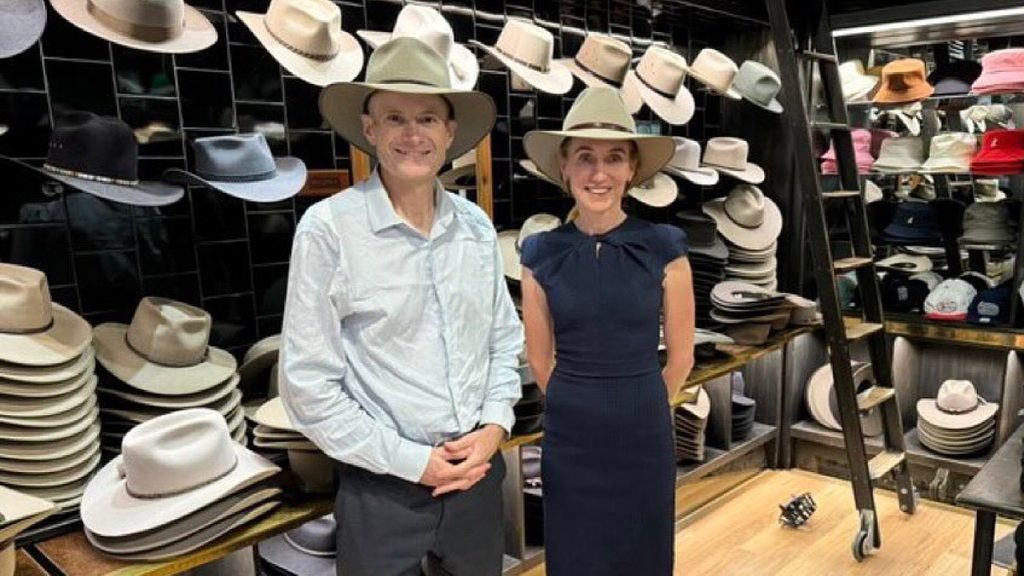
The breakthrough adds to the work associated with the late Richard Scolyer and Professor Georgina Long, who were named Australians of the Year. Long is set to present the full findings at a conference in Madrid in October, as researchers continue testing the technology against other cancers.
For patients, the promise is clear. “You reduce that risk of recurrence, which essentially means that patients have a better chance of being disease-free and for longer,” Merck Research President’s Dr Dean Li said.
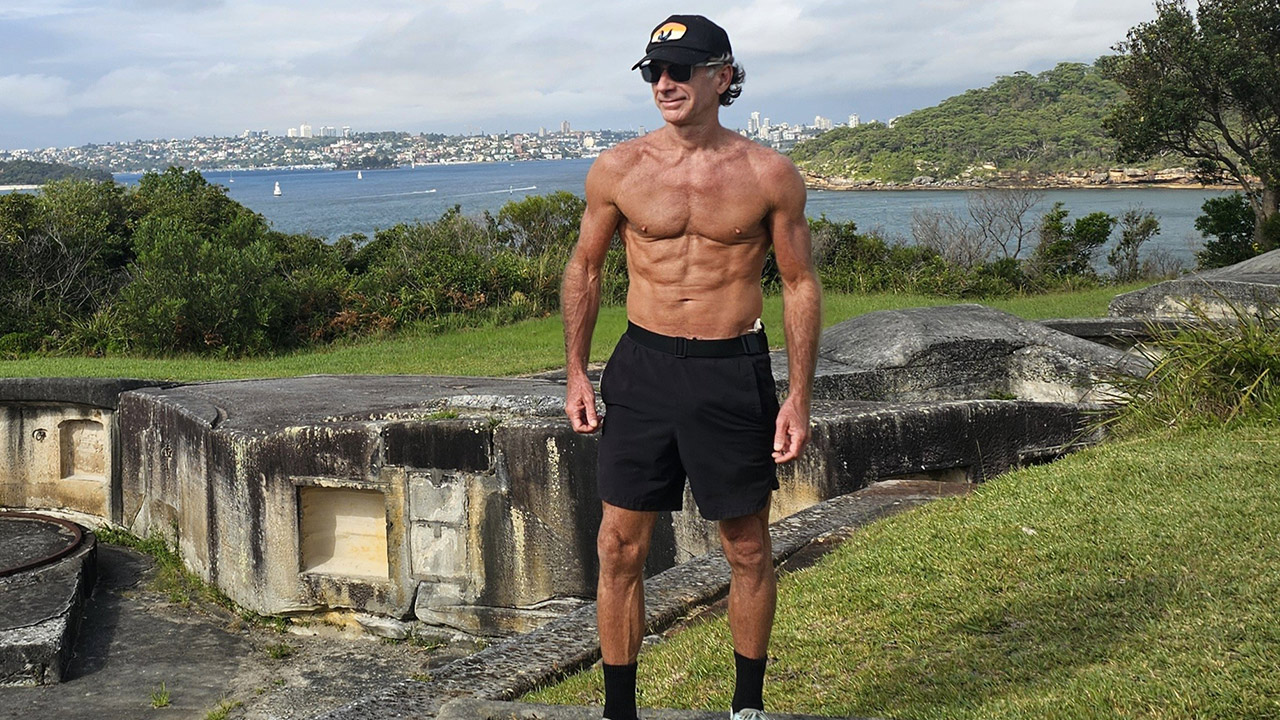
Gary Keblish was given the vaccine in 2019 after facing a 75 per cent chance that his melanoma would return within five years. He is now cancer-free, happy and healthy.
The announcement also sent the vaccine makers’ share price sharply higher, with Moderna CEO Stephane Bancel calling it “a big moment for medicine, a big moment for patients.”
But for Australia, it carried even greater weight. It is another milestone in melanoma research, and one that Scolyer sadly did not live to see.