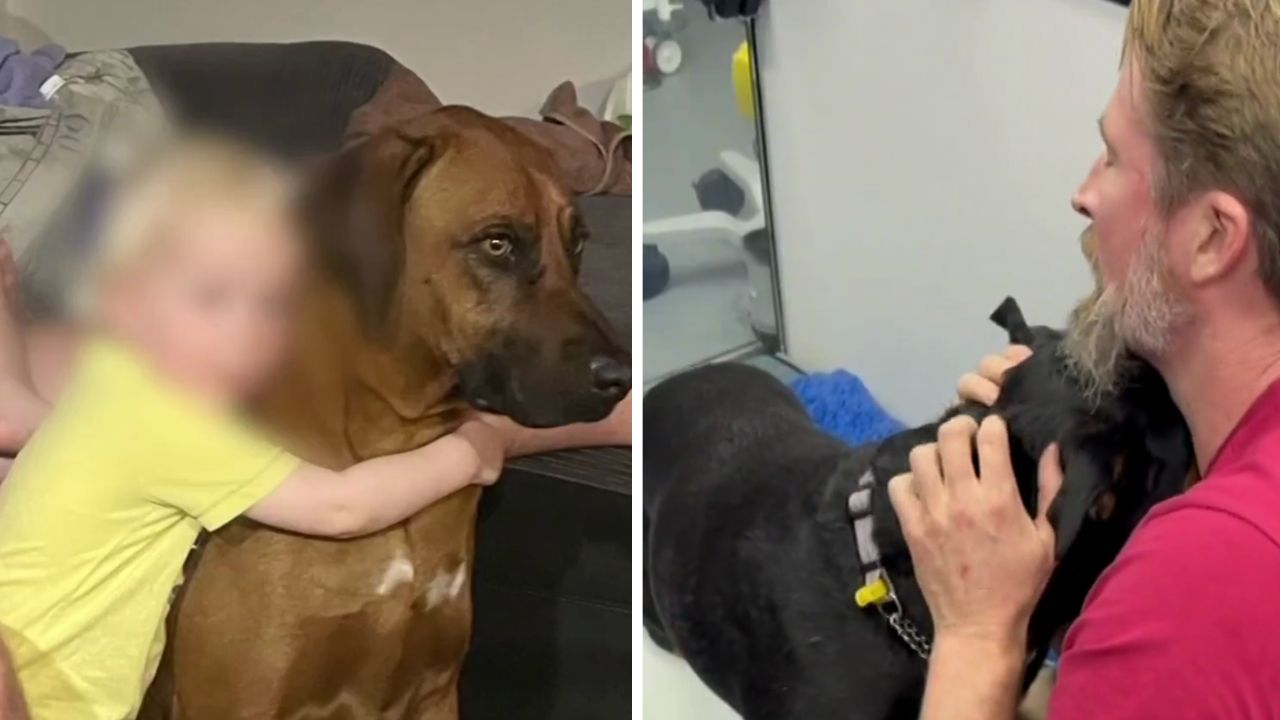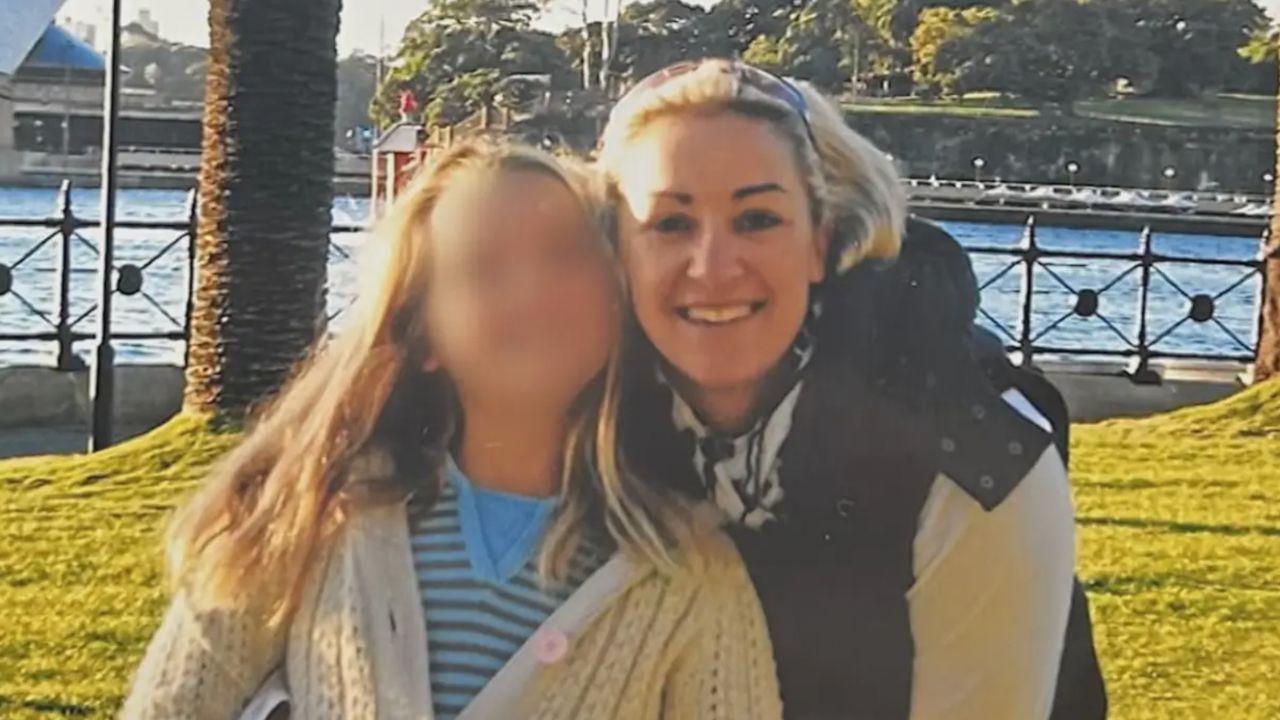
Keli Lane’s daughter has spoken publicly for the first time, describing herself as the “forgotten victim” in one of Australia’s most high-profile criminal cases, and pleading for her mother’s release.
In 2010, Lane was convicted of murdering her two-day-old daughter, Tegan, who went missing in 1996.
She has always maintained her innocence, claiming she handed the newborn to her biological father, who has never been found.
Lane was sentenced to a minimum of 13 years and five months in prison. However, under New South Wales’ “No Body, No Parole” laws, she is ineligible for parole and is expected to remain in prison until her maximum sentence expires in December 2028.
In a letter released publicly, Lane’s other daughter, who was only nine years old when her mother was convicted and is now 25, pleaded for her mother’s release.
“Sixteen years ago, just before Christmas, my mum dropped me off at school and never came home. I was only nine years old,” she began in the letter shared on A Current Affair.
“For the past sixteen years, I’ve grown up without my mum being a part of my everyday life.”
She said she believed her mother’s conviction and continued imprisonment had also affected her.
“Throughout all of this, very few people have considered how these decisions have affected me. I am a forgotten victim in this situation.
“My mum is not a risk to anyone.
“She is loved, she is wanted by her friends and family, and I love her deeply. I know how precious time is with your parents because it is something that can never be replaced.
“My hope is simple: that my mum can come home, and that I can spend meaningful time with her, continue building our relationship, and make up for some of the last sixteen years we have already lost.
“That is all I wish for.”
The 25-year-old also questioned the application of the state’s “No Body, No Parole” laws to her mother’s case.
“Many legal experts, including the presiding judge, Mr Whealy, have expressed concerns about the jury’s decision to convict my mum.
“The Crown Prosecutor, Mark Tedeschi, pursued a conviction despite there being no evidence to support the charge in which my mum received.
“The ‘No Body, No Parole’ law was rushed through Parliament to address the understandable needs of another grieving family.
“However, that law has been applied to my mum’s case without proper consideration of her individual circumstances, or the fact that she was only weeks away from completing the 13.5 year sentence.”
Lane, a former elite Sydney water polo player, concealed multiple pregnancies in the 1990s.
Two children were adopted, while Tegan’s disappearance led to the murder conviction.
A spokesperson for the NSW government told A Current Affair: “Individual parole decisions are made independently by the State Parole Authority, not by the government.”
The spokesperson added: “While we are unable to comment on the circumstances of individual offenders, the government supports the No Body No Parole law and has no plans to change it.
“The laws are designed to encourage offenders to reveal the location of their victim, giving families the best chance of getting answers and some measure of closure.”
Image: A Current Affair