New research from the Yale School of Public Health has found that a person’s likelihood of developing bowel cancer early in life may be influenced before they are even born, with high birth weight and older fathers emerging as major risk factors.
The findings are especially concerning in Australia, which has the highest rate of early-onset bowel cancer in the world. Bowel cancer is also the deadliest cancer in the country for people aged 25 to 54.
The study examined records from more than 62,000 people and found that babies carrying excess weight are much more likely to later develop bowel cancer in their 20s and 30s. It also identified a striking link for women, showing that those whose fathers were 35 or older at the time of conception faced a 56 per cent higher risk of developing the disease.
The result is particularly alarming at a time when Australia’s birthrate is falling and many people are having children later in life. At the same time, up to 15 per cent of newborns are now considered “giant babies”, meaning they weigh more than four kilograms at birth.
This condition, known medically as ‘foetal macrosomia’, is often caused when a mother is overweight or develops gestational diabetes during pregnancy.
Researchers say the findings suggest a parent’s health or lifestyle before birth could affect their child’s chances of facing the life-threatening illness decades later. While the strongest warning signs for young women were older fathers and high birth weights, the study also found that young men are more likely than females to develop early-onset bowel cancer.
The researchers also identified one protective factor. People whose mothers were born overseas had a 15 per cent lower risk of developing the cancer, something believed to be linked to healthier traditional diets, lower smoking rates and better lifestyle habits passed on during childhood.
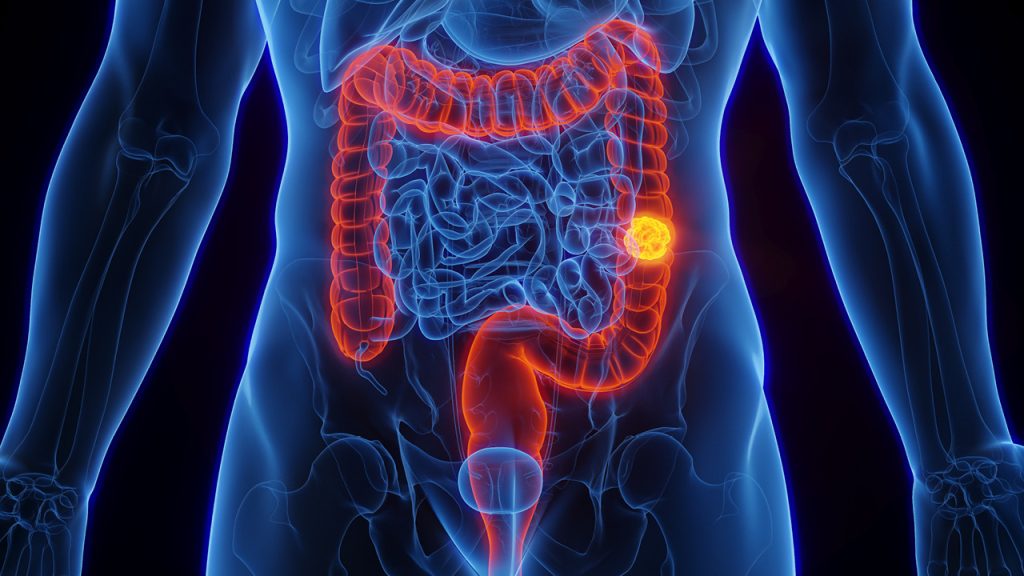
Although bowel cancer has long been seen as a disease of older people, one in eight Australians diagnosed with it are now under 50.
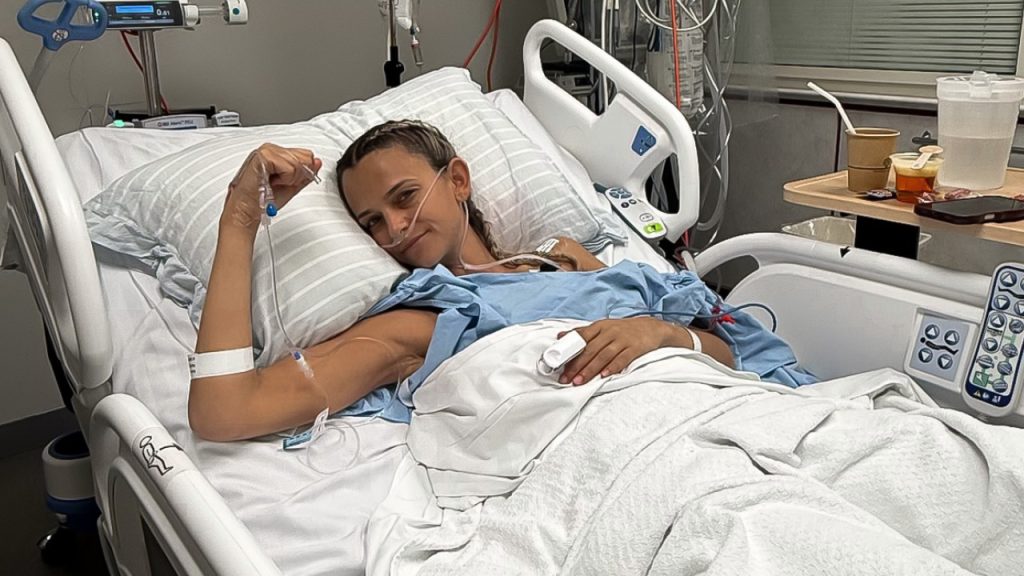
Kellie Finlayson, the wife of Port Adelaide AFL player Jeremy Finlayson, was diagnosed with bowel cancer at just 25, not long after the birth of her daughter. She has spent several years battling the disease and has undergone more than 80 rounds of chemotherapy in her stage 4 cancer fight.
She recently shared an update on Instagram, saying she is recovering after lung surgery. “A little update is it’s been two weeks since my left lung wedge resection and I’m finally picking up the pace with recovery … it’s been slow and I’ve been puffed to put it lightly,” she shared.
A wedge resection involves removing a triangle-shaped section of lung tissue to take out a tumour or tumours.
Finlayson said, “I had the active cancer and several inactive tumours removed from my lung, they’ve been sent off for more testing,” and added that she now has “many staples” in her lung during recovery.
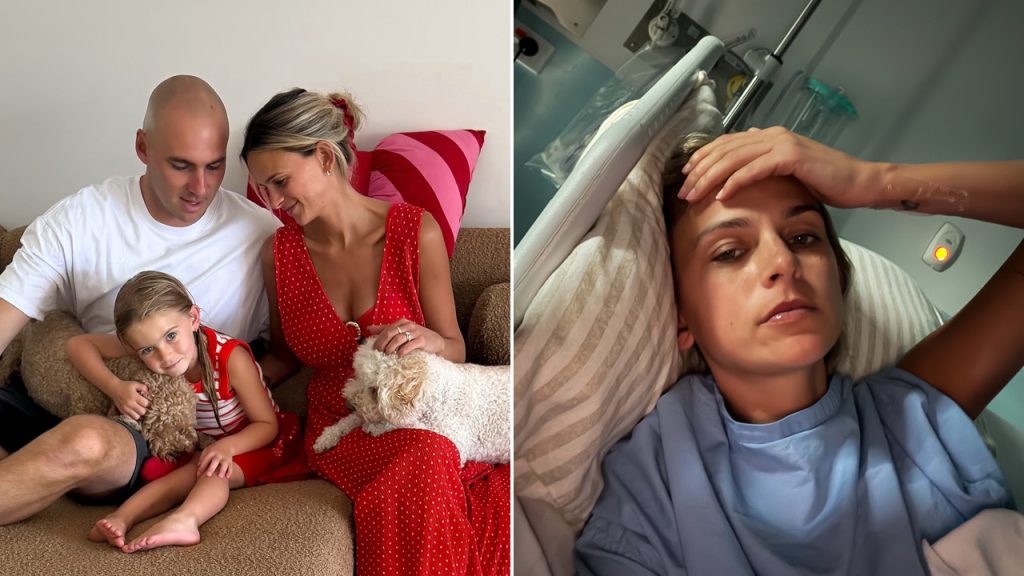
“Fingers crossed we get some more answers and new treatment options but for now nothing really changes.”
Before her diagnosis, she said she dismissed early symptoms including “severe constipation and abdominal cramps”, thinking they were linked to irritable bowel syndrome or post-partum issues.
Now 30, Finlayson has become a vocal advocate for younger Australians, urging them not to brush off possible warning signs.
“The system still dismisses young people every single day, and it’s not good enough. It’s failing young people,” she said.
Key symptoms of bowel cancer include blood in the stool, extreme fatigue, unexplained weight loss and ongoing abdominal cramping. Experts also warn that lasting changes in bowel habits, including severe diarrhoea, constipation or the sensation of not fully emptying the bowels, should be checked by a doctor immediately.