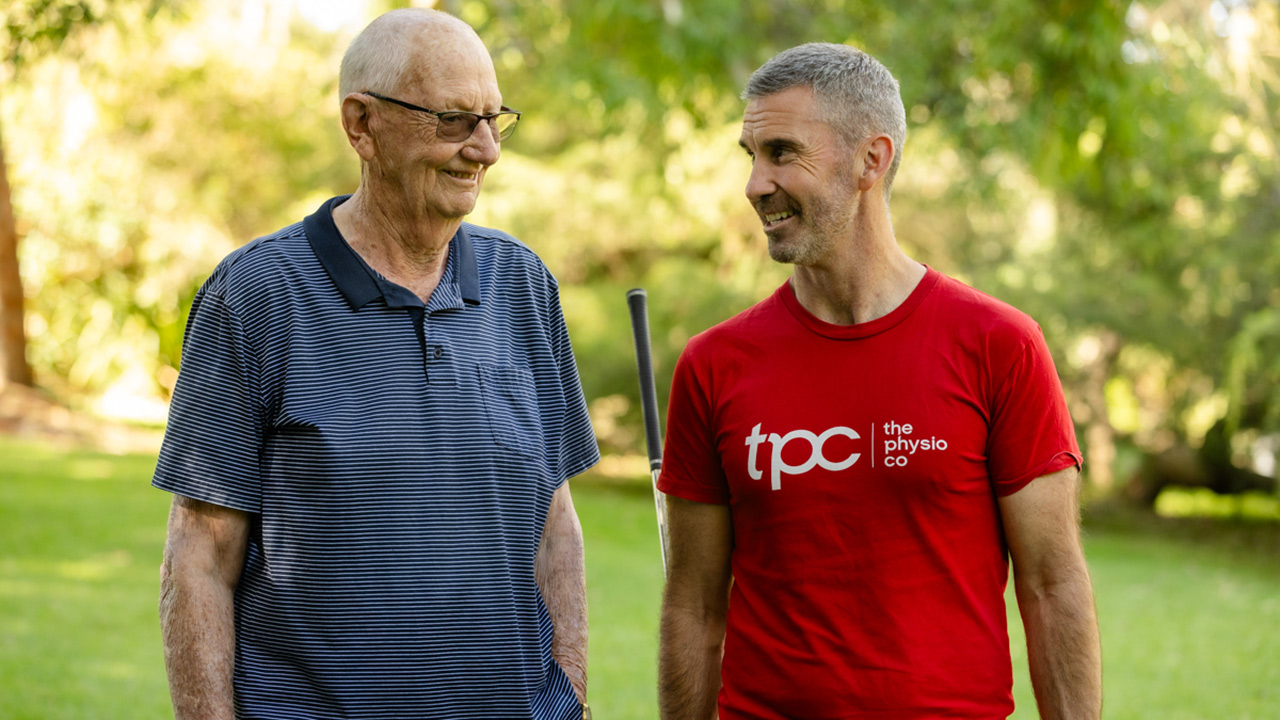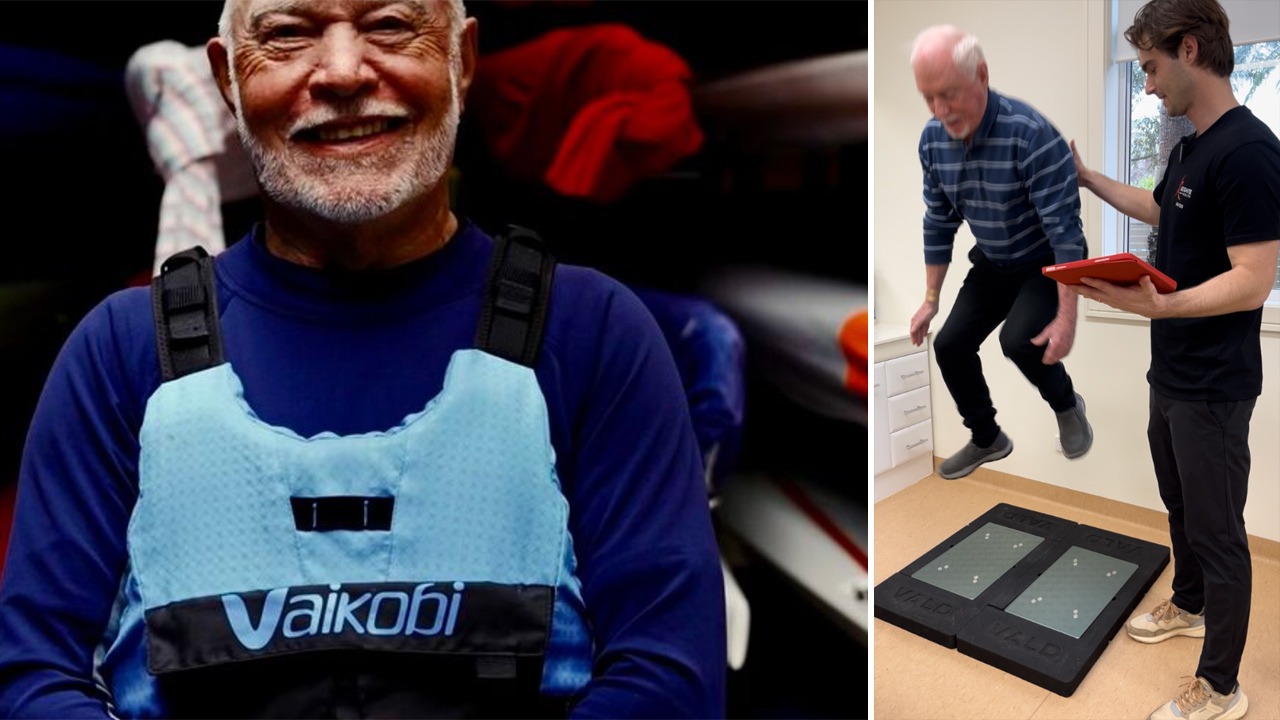
For many Australians, retirement has long been associated with slowing down. But physiotherapist Liam Potter believes it’s time to rethink ageing altogether.
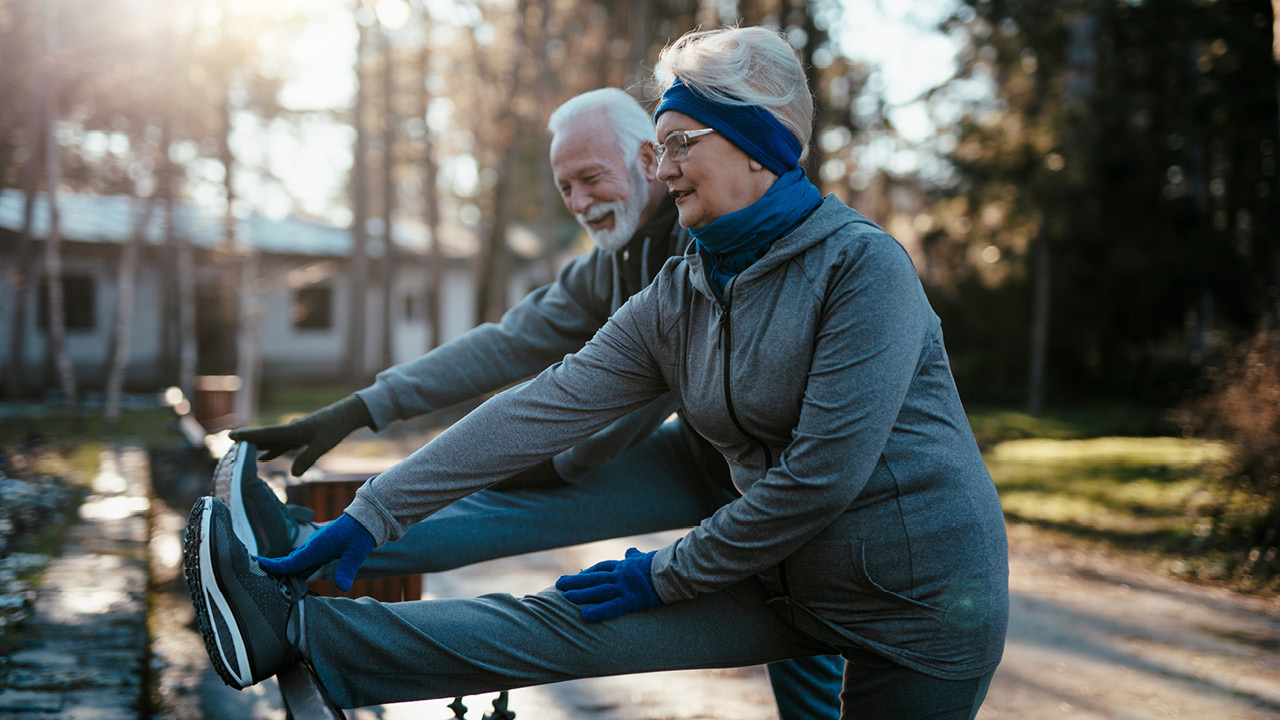
“We need to stop treating older people like they’re fragile – we need to treat them like athletes. When you give people the right support and the right program, they continue to surprise us with what they’re capable of,” Mr Potter said.
Potter runs physiotherapy and exercise programs at Anglicare’s Warriewood Brook Seniors Living village on Sydney’s Northern Beaches, where almost half of residents participate in structured weekly exercise sessions.
The results speak for themselves, with participants recording an average 110 per cent improvement in leg strength and a 160 per cent improvement in balance through targeted strength and mobility training.
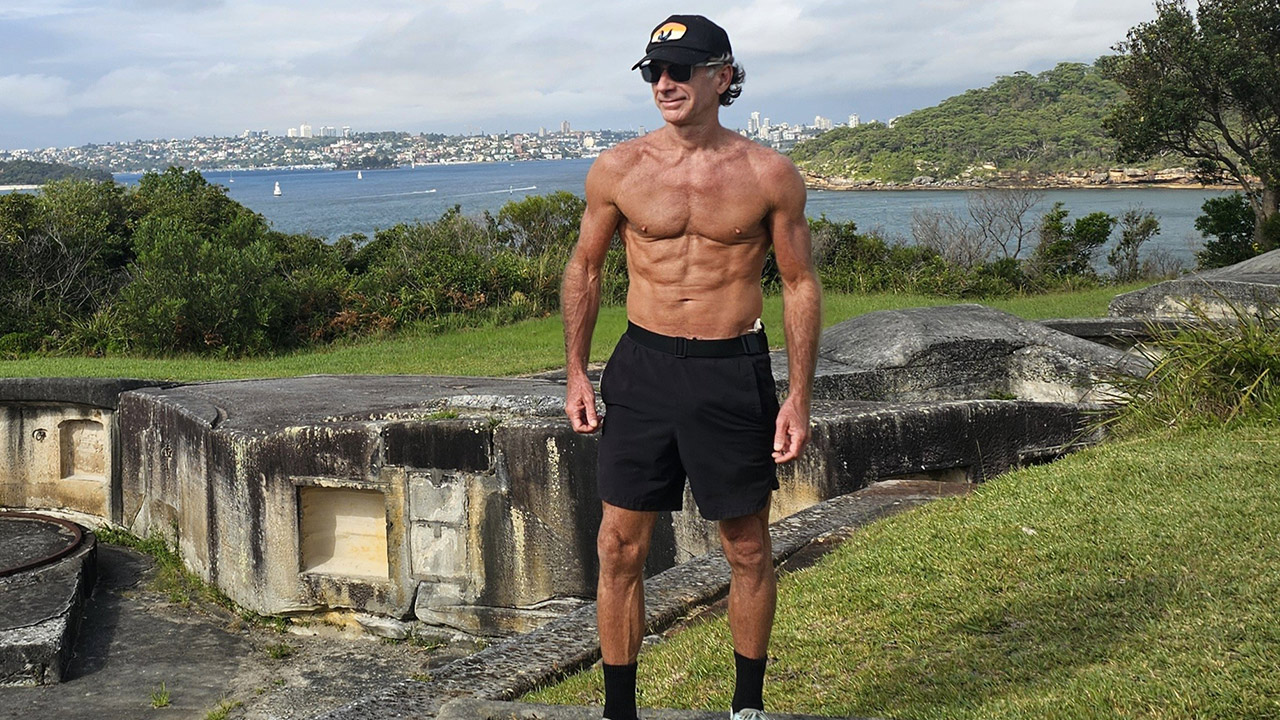
Among them is 82-year-old resident Neil Millgate, whose retirement is anything but sedentary. He spends two days a week kayaking, three days dragon boating with the Pittwater Dragon Boat Club and regularly trains in the village gym.
“People think of retirement as slowing down, but for me, it’s been the opposite,” Neil says. “I’ve taken up new sports, made new friends, and traveled the world. It’s been fantastic.”
Neil discovered dragon boating nearly two decades ago after supporting his wife through breast cancer treatment. What started as a way to encourage her recovery has become a lifelong passion, taking him to competitions across New Zealand, Italy and the United States. He credits staying active with helping him maintain his independence and enjoy retirement to the fullest.
According to Potter, the key isn’t extreme fitness but consistent strength training.
“The biggest barrier isn’t ability – it’s confidence. We introduce resistance training slowly and safely, and once people start seeing improvements, they become incredibly motivated.”
For older Australians wanting to stay independent, Potter recommends incorporating these seven exercises into their weekly routine:
- Leg presses to strengthen the muscles needed for standing, climbing stairs and walking.
- Sit-to-stands to improve lower body strength for everyday movements.
- Balance exercises, such as standing on one leg under supervision, to reduce the risk of falls.
- Resistance training using weights or machines to maintain muscle mass, bone strength and mobility.
- Walking with purpose, combining regular walking with strength training for heart health and endurance.
- Functional movement training, including lifting, reaching and carrying, to make everyday tasks easier.
- Flexibility and mobility exercises to maintain joint movement and reduce stiffness.
Potter says progress doesn’t have to happen overnight.
“Sometimes we only aim for a one per cent improvement each week. Six months later they’re amazed to find they’ve doubled their strength and can do things they thought they’d never do again.”
He says staying strong is one of the most effective ways to remain independent for longer.
“The stronger people stay, the longer they can continue living independently. That’s good for their confidence, their physical health and their quality of life.”
“As we age, exercise becomes medicine. Staying strong isn’t about lifting heavy weights – it’s about maintaining the independence to keep living the life you want.”
Images: Supplied