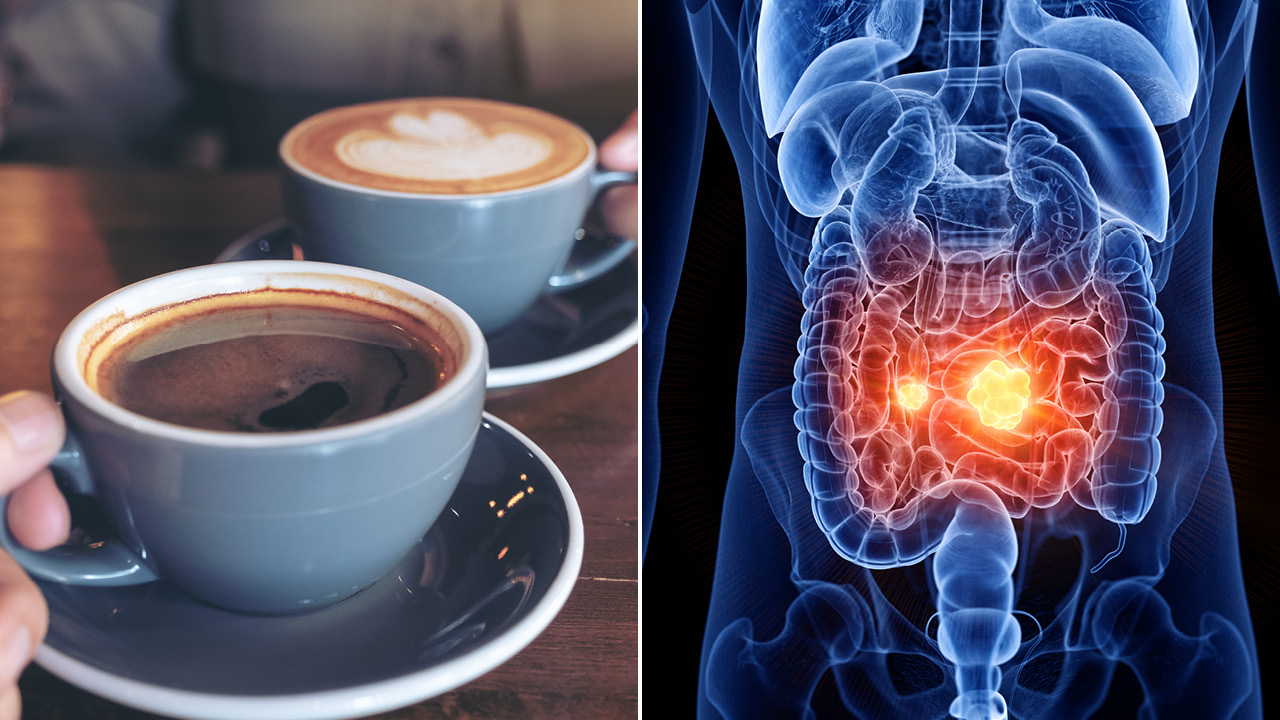
Researchers at University College Cork in Ireland looked at how regular coffee consumption, including both caffeinated and decaffeinated varieties, influences the gut microbiome. Their findings showed that coffee drinkers had notably higher levels of beneficial bacteria such as Eggertella sp and Cryptobacterium curtum. Both are believed to help remove unhealthy bacteria and stomach infections.
The research also found distinct effects depending on the type of coffee consumed. People who drank decaffeinated coffee showed better learning and memory, possibly because of compounds such as polyphenols that may provide cognitive benefits. Caffeinated coffee, by contrast, was associated with lower feelings of anxiety and improved attention.
“Coffee is one of the richest sources of dietary polyphenols, yet most research has focused almost entirely on caffeine,” corresponding author of the study John Cryan told Newsweek in an email.
“We wanted to understand how coffee as a whole affects the microbiome, metabolism, mood and cognition. One of the biggest surprises was that decaffeinated coffee produced many of the same effects as regular coffee.
“That suggests caffeine is only part of the story, and that other coffee compounds, particularly polyphenols, may play a major role in shaping the gut–brain axis.”

The findings add to a growing body of research on coffee’s health effects. In one 30-year study of women over 70, participants were significantly more likely to be living well if they had consumed coffee during middle age. Another study found that drinking black coffee lowered the risk of death from all causes.
The University College Cork study arrives as gut health draws increasing attention. Prebiotic sodas are becoming more popular, and the gut microbiome is being linked more often to a range of health outcomes, including mental health. Rising rates of gastrointestinal cancers, especially among American adults, have also sharpened focus on how people care for their gut microbiome.
“Our findings reveal the microbiome and neurological responses to coffee, as well as their potential long-term benefits for a healthier microbiome,” Cryan said in a press release.
“Coffee may modify what microbes do collectively and what metabolites they use.
“As the public continues to think about dietary changes for the right digestive balance, coffee has the potential to also be harnessed as a further intervention as part of a healthy balanced diet.”
Cryan also said that, “like many dietary factors,” coffee is best consumed in moderation. He noted that the results were not entirely positive.
“We also found that habitual coffee drinkers showed higher impulsivity and emotional reactivity than non-drinkers, which highlights that the effects are not universally positive,” he told Newsweek.
Looking ahead, Cryan said he hopes ongoing research may allow scientists to use diet and the microbiome to support health and well-being “more precisely.”
“The main takeaway is that coffee is much more biologically complex than we tend to think,” Cyan said.
“It’s not simply a stimulant; it interacts with the gut microbiome, immune system, metabolism and brain simultaneously.”