Pauline Hanson has reaffirmed her demand for Australia to be a “monocultural” society, telling parliament she is “delighted” by the reaction her remarks have triggered.
The One Nation leader ignited controversy last week in her first National Press Club address, where she declared Australia “must be monocultural”. Her comments prompted a major political argument, with the leaders of all major parties rejecting the position.
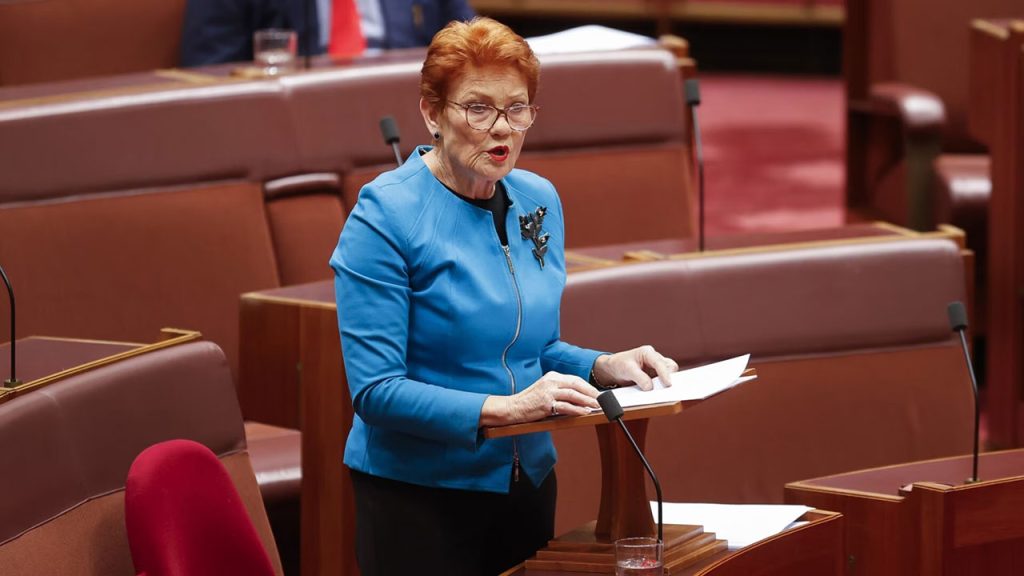
Addressing the Senate on Wednesday, Senator Hanson said the fallout was “exactly what I intended”.
“You’d be forgiven for thinking I had slaughtered a sacred cow at the National Press Club last week. Monoculturalism is virtually all you’ve been able to talk about since that day,” she said.
“I’m delighted this issue has been publicly examined and debated; it’s a debate many Australians have been itching to have, so I make no apology for raising it.”
She said critics had distorted what she meant in the days since the speech, pushing her comments “into the realm of utter fantasy”.
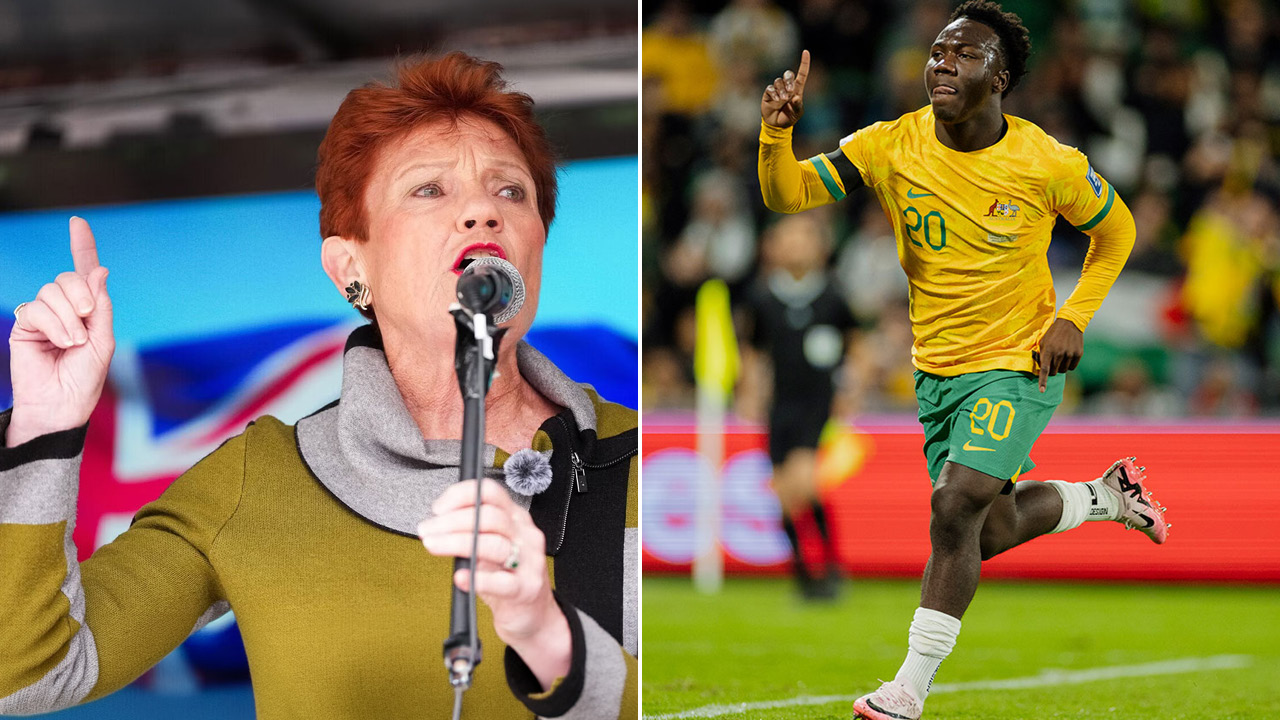
“I was going to ban foreign food, and the Socceroos wouldn’t have beaten Turkey under my policy. What rubbish, predictable and pathetic,” she said.
Prime Minister Anthony Albanese criticised Hanson’s stance on Tuesday, saying it did not fit the reality of contemporary Australia.
“Modern Australia is not a monoculture and it never has been,” Mr Albanese told reporters.
He pointed to the Socceroos as an example of multicultural Australia, noting the diversity of backgrounds within the national team.
“We have had a rich culture and when we look at the Socceroos, we see examples of that rich culture, people who are proud of their ethnicity,” he said.
“It’s who we are, so it’s really a nonsense argument to go back to something that was actually never there.”
But Senator Hanson argued the Socceroos actually supported the case she was making.
“The Socceroos, in fact, represent my vision of a monocultural Australia – people from different backgrounds and cultures and nations all wearing green and gold, and representing one nation, under one flag, and succeeding under the same set of rules,” she said.
“Australian monoculture is not exclusive, it is welcoming. It’s an umbrella which covers all manner of difference. It’s not a dirty word.”
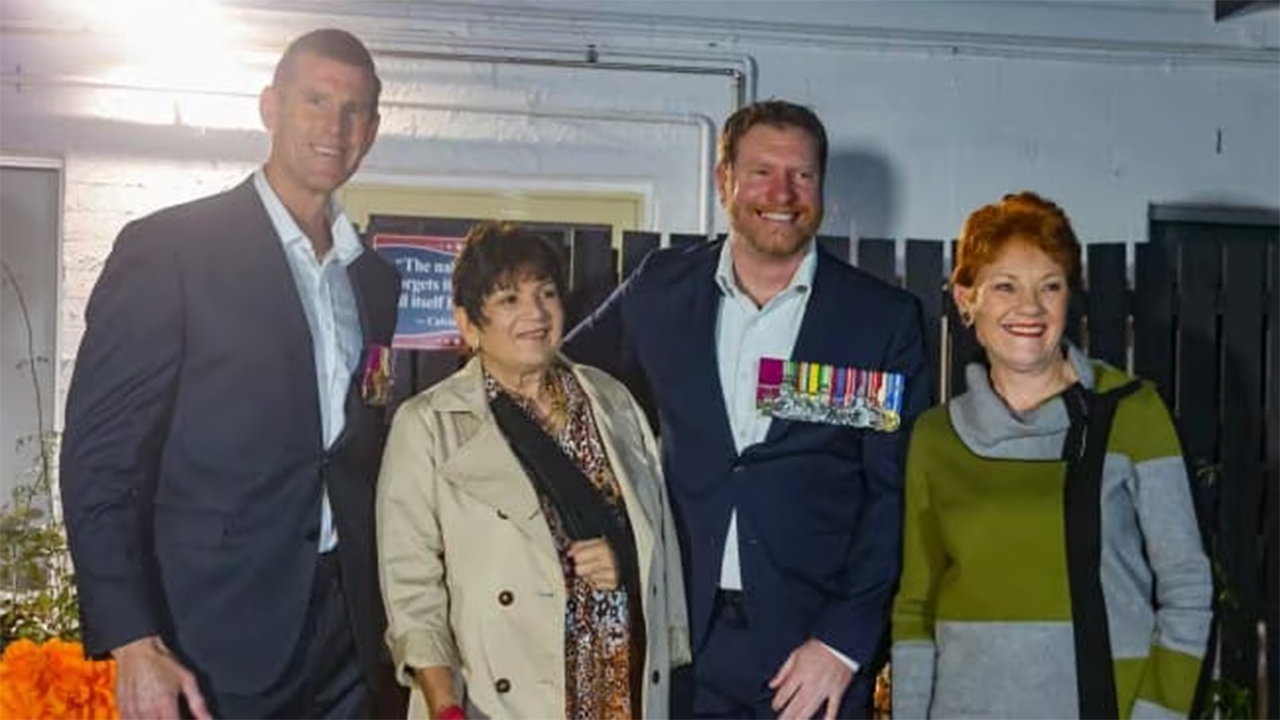
As part of her argument, Hanson referred to One Nation’s South Australian MP Carlos Quaremba, saying he embodied Australian identity.
“When he was a baby, (his family) escaped the military junta in Argentina and sought refuge in Australia,” she said.
“They chose to be Australian, but they didn’t discard their cultural traditions.
“Carlos, who is … a bloody Aussie, still loves his Argentinian barbecues and wouldn’t give them up for anything. I love them too.”
Hanson said her concern was with migrants who come to Australia without wanting to embrace the country.
“Increasingly, however, there are people choosing to come to Australia with no intention of becoming Australian or accepting Australian values, customs, traditions, and laws,” she said.
“If we’re going to accept you, you must accept us too. That’s not too much to ask. It’s the bare minimum we should be demanding.
“It’s where we should be drawing the line on things incompatible with our culture – like Sharia law, child marriages, roaming armed gangs, female circumcision, sex selective abortion, and the burqa.
“Burqas are about confining and controlling women, which is un-Australian. Under a One Nation government, they will be banned.”
She said becoming Australian meant “accepting our culture and the values, customs, and traditions which define us: A fair go, tolerance, secular democracy, freedom of speech and religion, and the rule of law.”
“It means accepting our reverence and larrikinism – bring back Paul Hogan and Norman Gunston, these are the essential features of Australian modern culture, and there’s nothing remotely exclusionary about them,” she added.
“These values are not even especially unique. They’re accepted widely in the democratic world because they are values which are blind to race or gender or religion.
“But they’re not accepted by many who are allowed to come here, and that’s what must be addressed.”