A reader with 10 days to spend on World War II history in Europe, and $10,000 to spend on it, faces a real choice. Try to see everything – Normandy, the Ardennes, Auschwitz, maybe Malta too – or go deep on one place and let it properly sink in. The trip that best answers the brief is also the simplest: six guided days in Normandy, standing where the landings actually happened with someone on hand to explain what the plaques leave out, then spending what is left of the budget on flights and a few extra nights in Paris.
Why the Normandy option earns its keep
The Beaches of Normandy tour runs Paris to Paris over six days, staying in 4-star hotels with a tour director and local guides at every stop, priced from $3,253 per person. It covers all five landing beaches, the Normandy American Cemetery, Pointe du Hoc, Sainte-Mere-Eglise, the Pegasus Bridge Memorial and Mont-Saint-Michel – the full sweep of the invasion in one guided run rather than pieced together from a hire car and roadside signs.
Add return flights from Sydney, which typically run $2,000-2,500 in August, plus a handful of extra nights either side in Paris to fill out the 10 days, and the whole trip sits comfortably inside a $10,000 budget with money left over for meals and extras.
Walking is rated moderate rather than easy, with uneven ground underfoot at the beach sites and cemetery grounds, so sturdy shoes matter more than fitness. August is peak season on the beaches – warm, busy, and the reason hotel rooms tighten early, which makes booking by March 2027 for an August departure the sensible window.
Building your own route from London to Berlin
A reader who prefers setting their own pace could build a self-guided version of the same story – Churchill War Rooms in London, across to Normandy, on to Paris, then a fast train to Berlin for the Wall and the Holocaust memorial sites. There is no ready-made package for this in the Australian market, so it means booking flights, hotels, trains and entry tickets individually, and the total across 10 days is likely to land somewhere between $6,000 and $8,500 per person once everything is tallied.
It suits a traveller on their second or third European trip who wants control over timing rather than a fixed group schedule. Eurostar and the German rail network handle the route well, though both get busy in peak summer and are worth booking well ahead. The trade-off is context – without a guide, sites such as the Churchill War Rooms and Berlin’s Topography of Terror are self-paced with audio guides only, so the depth a specialist supplies at each stop is missing.
Belgium’s quieter battlefields, if a UK leg suits
Leger’s Battle of the Bulge tour starts from around $900 for a four to five-day itinerary with hotel and a specialist battlefield guide included, while Rifleman Tours runs a five-day version covering Bastogne, the Ardennes foxholes, the Malmedy massacre site and the King Tiger tank at La Gleize, departing by coach from the UK. Both are genuinely quieter than Normandy – fewer crowds at Bastogne and through the Ardennes than at the D-Day beaches in peak season.
The catch is the starting point. A UK departure means adding a leg from London before the battlefield touring even begins, which eats into both the 10-day window and the budget. Five days of touring does leave several days spare for Bruges or Brussels, both within easy reach. The tank left standing at La Gleize when the 1st SS Panzer fled on Christmas Eve, and the foxholes still visible in the Bois Jacques Woods near Bastogne where Easy Company dug in through one of the coldest winters on record, are the kind of detail no photograph quite prepares you for.
Auschwitz-Birkenau on a modest slice of the budget
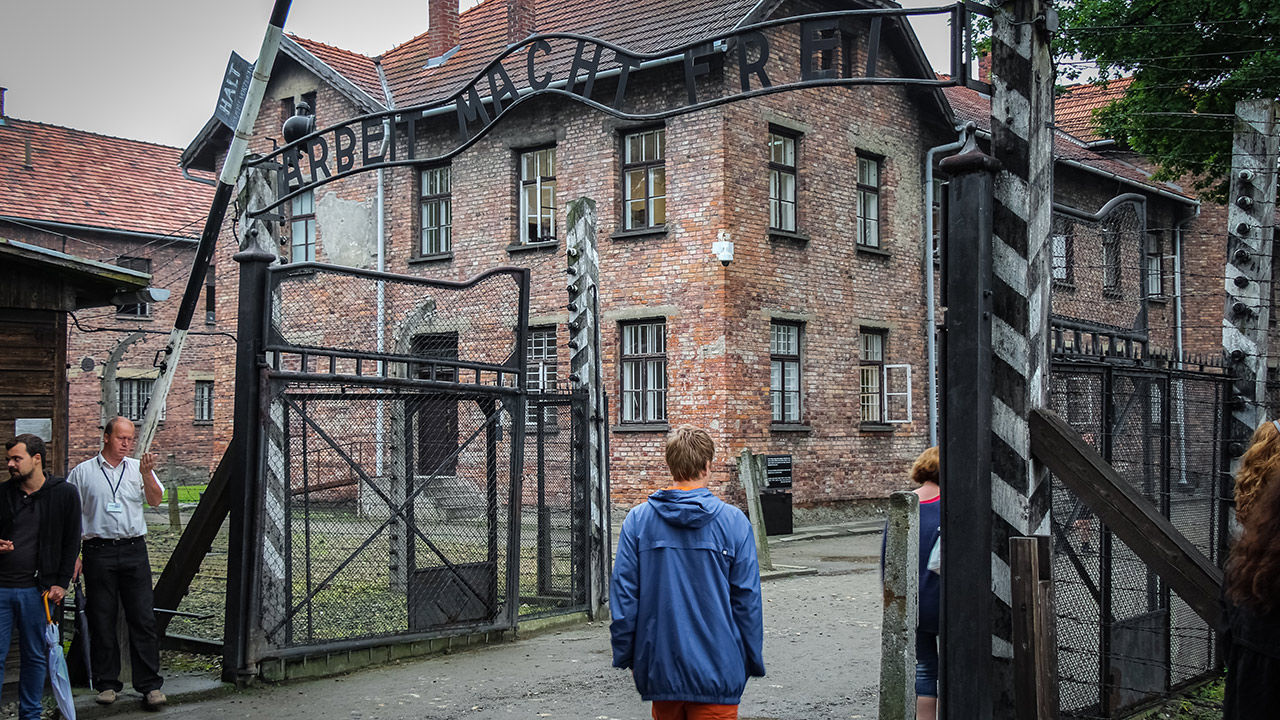
Guided day tours from Krakow run from roughly $20-55 per person for entry and a guided visit lasting anywhere from three to 10 hours, making this among the lowest-cost WWII-focused destinations in Europe and leaving most of a $10,000 budget free for flights and an extended stay. Morning slots sell out days in advance in summer, so August entry needs booking well before arrival, and guides are close to essential here since the official flow through the site gives context a solo walk-through cannot.
Allow seven to eight hours from Krakow for the full guided visit, more if it is combined with the Wieliczka Salt Mine or Schindler’s Factory. One description of the day sums it up plainly: “The route is emotionally heavy, the pacing is structured.”
Malta and Sicily for the road less travelled
The Cultural Experience’s Operation Husky tour, led by an expert military historian, covers the Allied invasion of Sicily and is priced from around $6,300 for the standard package or $7,000 including UK travel. It takes in the landing sites used by Montgomery and Patton’s forces, the inland battles, Syracuse, Catania and Taormina, with Mount Etna looming over the coastline the entire way.
It draws far fewer visitors than Normandy or Poland, which makes it genuinely underrated for anyone interested in this history. The catch is timing – the confirmed departure window sits in September and October rather than August, so an August 2027 date needs checking directly with the operator, and no Malta-specific WWII tour currently exists to book from Australia, so Malta would need pairing with the Sicily itinerary or building independently.
Of the five, Normandy remains the one that turns a plaque-reading exercise into something a guide actually explains while you are standing on the sand where it happened – and it does that without stretching the budget thin.
What to know before you go
The camp visits at Auschwitz-Birkenau, Buchenwald and Dachau are confronting by design, and not a day to schedule alongside sightseeing you want to enjoy in the same breath. A coach tour locks you into a fixed departure and itinerary, with no room to linger somewhere that affects you more than expected. Self-drive travellers, meanwhile, need to arrange their own interpretation, since many sites carry only minimal signage compared with a guide talking you through it on the ground.
Standard travel insurance covering medical evacuation and cancellation matters for either version of this trip, and self-drivers crossing borders should confirm their policy covers rental vehicles between countries. Solo travellers report battlefield tours as sociable rather than isolating, given everyone in the group is there for the same reason.
Confirm before you book: fares, dates and inclusions on tours like these move, and it pays to check current pricing, single supplements and exact itinerary details directly with the operator before handing over a deposit.
Whichever route you choose, the point is the same – to stand where it happened, and finally understand why, rather than simply saying you have been.

![Three hikers celebrate atop Katahdin beside a weathered summit sign with backpacks and blue sky above (split image).] ,](https://www.oversixty.com.au/wp-content/uploads/2026/09/OLD1.jpg)