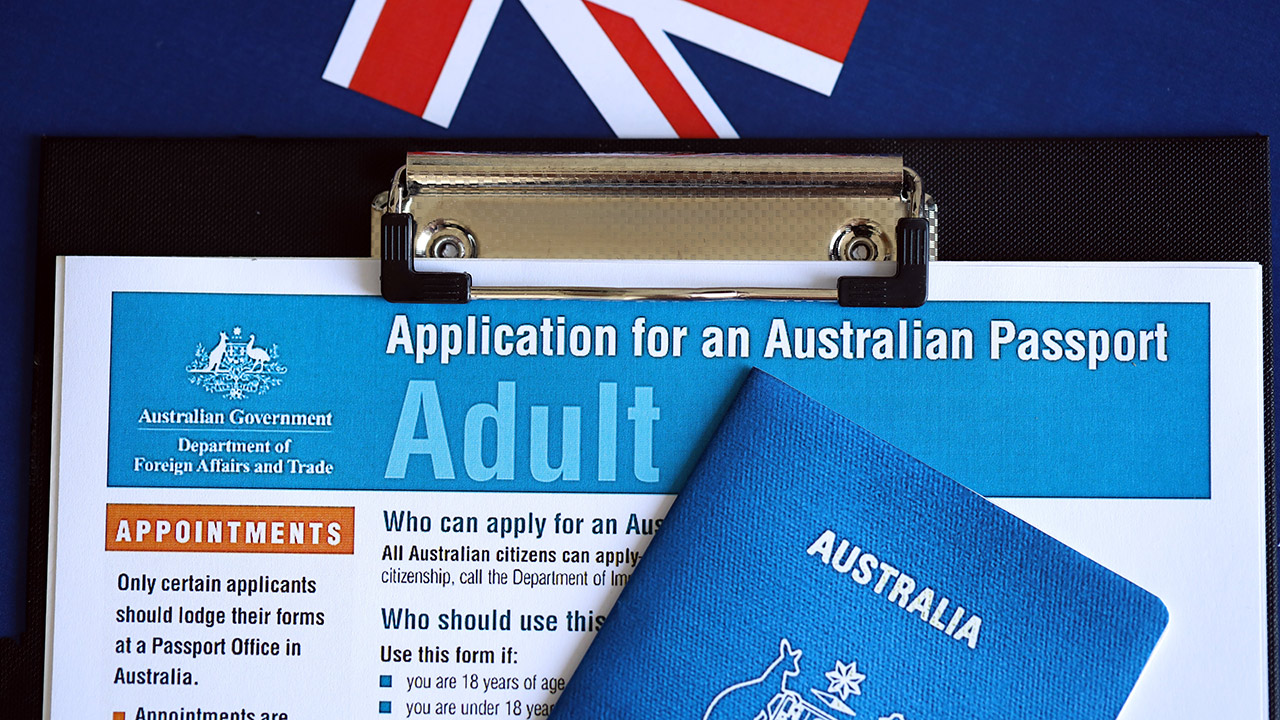
Turning 70 does not shut the door on travel insurance in Australia. It simply narrows which door still opens, and knowing which one to knock on can save a holiday from turning into a financial headache.
Premiums do climb with age, and travellers over 70 typically sit in one of the highest-priced brackets any insurer offers. A cancellation-only policy for a 15-day trip can start from around $430, rising from there depending on the destination, the trip cost and any pre-existing conditions declared. That is the reality worth planning around rather than the reason to skip cover altogether.
For anyone travelling more than once a year, an annual multi-trip policy often works out cheaper than buying single-trip cover every time, including for short getaways more than 100 kilometres from home. Allianz Travel calls it “one of the best-kept secrets in travel: an annual plan is often the smartest – and the cheapest – travel insurance option for senior travellers.”
The good news is that several Australian insurers still write policies well past 70, provided the paperwork is done properly. Australian Seniors Travel Insurance, sold through seniors.com.au and underwritten by Allianz Global Assistance, includes an online medical assessment to check eligibility for pre-existing condition cover under its Comprehensive, Multi-Trip or Domestic plans. It takes minutes, not weeks.
National Seniors Insurance offers both single-trip and annual multi-trip options, and National Seniors Australia members receive a 10% discount on policies bought through it. Seniors.com.au also offers a 10% discount on its Allianz-underwritten policies. Neither discount replaces the need to declare medical conditions honestly at quote stage.
Canstar’s comparison of providers marketed at older travellers, including Fastcover, Freely, Medibank, Southern Cross, Insure and Go, Tick Travel Insurance and Travel Insurance Saver, lets a traveller check age caps and pre-existing condition terms side by side before committing to a policy. That comparison matters more than the headline premium, because some mainstream policies quietly cap cover or reduce benefit limits once a traveller passes 70.
The real trap is timing. Buying a policy close to departure, rather than at the same time as the first non-refundable deposit, can strip away the pre-existing condition waiver and the cancellation cover that only apply if the policy starts early enough. Luccy, from Airline Secrets & Safety Hacks, put it bluntly: “The plan you bought might not cover your biggest risks at all.”
With 2027 earlybird deposits going down now for Europe trips, and cherry blossom and Christmas market itineraries being paid off well ahead of departure, the insurance should be arranged the same week as that first deposit, not saved for closer to the flight.
Medical evacuation is where the numbers hurt most if the fine print is wrong. Caps on evacuation payouts, sub-limits buried inside pre-existing condition cover, and higher excess amounts than a standard policy are the three things worth checking line by line before paying, not after a claim is already underway.
Claims themselves can be lodged online through a claims portal, either while still travelling or after arriving home, which matters if something needs sorting mid-trip rather than waiting for the flight back. One condition catches travellers out more than any other: under some Australian policies, a claim can be refused outright if it follows a government “reconsider your need to travel” or “do not travel” warning that was already in place before departure.
Cancel For Any Reason add-ons are worth understanding properly too, since they are commonly misread as full trip reimbursement when they are not. They pay a portion, under set conditions, and reading the policy wording before buying beats discovering the gap after a cancelled flight.
Our view: this is not the corner of a holiday budget to cut. The exclusions that catch out travellers over 70 – a missed medical declaration, a policy bought a fortnight before departure, an evacuation cap nobody checked – are far cheaper to fix at quote stage than to argue about mid-claim.
Confirm before you book: premiums, discounts and pre-existing condition terms change by insurer and by trip, so get the medical assessment and the policy wording in writing before paying a deposit, not after.
The best policy after 70 is not the cheapest one on the page. It is the one that still says yes when you actually need it to.



![Three hikers celebrate atop Katahdin beside a weathered summit sign with backpacks and blue sky above (split image).] ,](https://www.oversixty.com.au/wp-content/uploads/2026/09/OLD1.jpg)