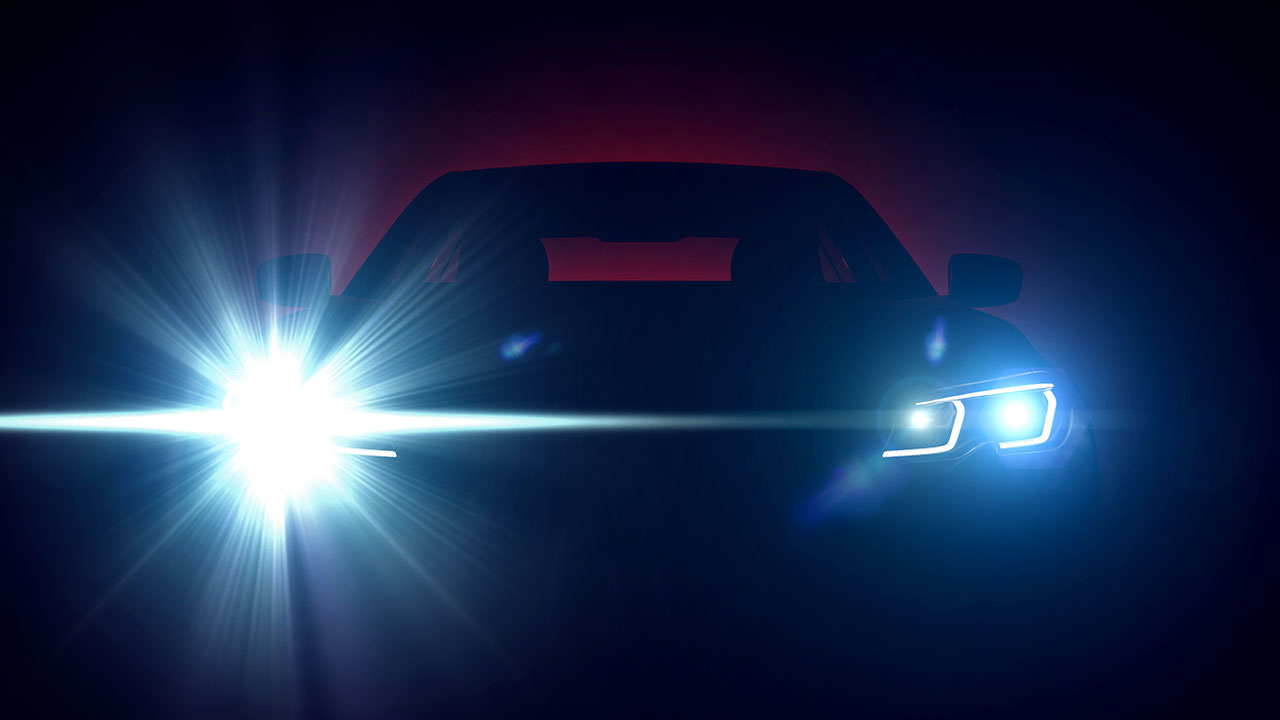
Headlights on new vehicles are now noticeably whiter and more intense, and while that has improved visibility for drivers, it is also raising concerns about the effect on people coming the other way.
LED headlights are now widely used in new cars and can produce three to five times as much light as older halogen globes. Data from the US-based Insurance Institute for Highway Safety shows they have cut night-time single-vehicle crashes by almost 20 per cent.
But the effect of that bright oncoming light on other drivers has not been assessed by the Australasian New Car Assessment Program, Australia’s official vehicle safety rater.
Road safety expert and crash investigator David Beck said ANCAP carried out broad safety testing on new vehicles, examining crash results, pedestrian protection, crash-avoidance technology and audio alerts. He said the absence of any assessment of glare from LED headlights and its effect on other motorists was a major gap.
Mr Beck told ABC news,”I don’t think there is any crash data on this but that doesn’t mean it’s not an issue.”
“It’s one of those things where, if there had been a serious crash, it would be very difficult to identify if glare was a cause.
“But it’s definitely a concern for many motorists. I know there’s a lot of public complaints regarding glare.”
In the United States, the Insurance Institute for Highway Safety found that vehicles rated well for visibility in its headlight testing recorded 19 per cent fewer single-vehicle crashes at night and 23 per cent fewer pedestrian crashes at night than vehicles with poorly rated headlights.
Mr Beck said the advances were not just about increasing brightness. He said modern headlamps were generally better designed to light up the roadside without automatically throwing more light into the eyes of approaching drivers.
He also spoke positively about automatic dimming systems, which can detect oncoming vehicles and stop inattentive drivers from leaving high-beam on and dazzling others.
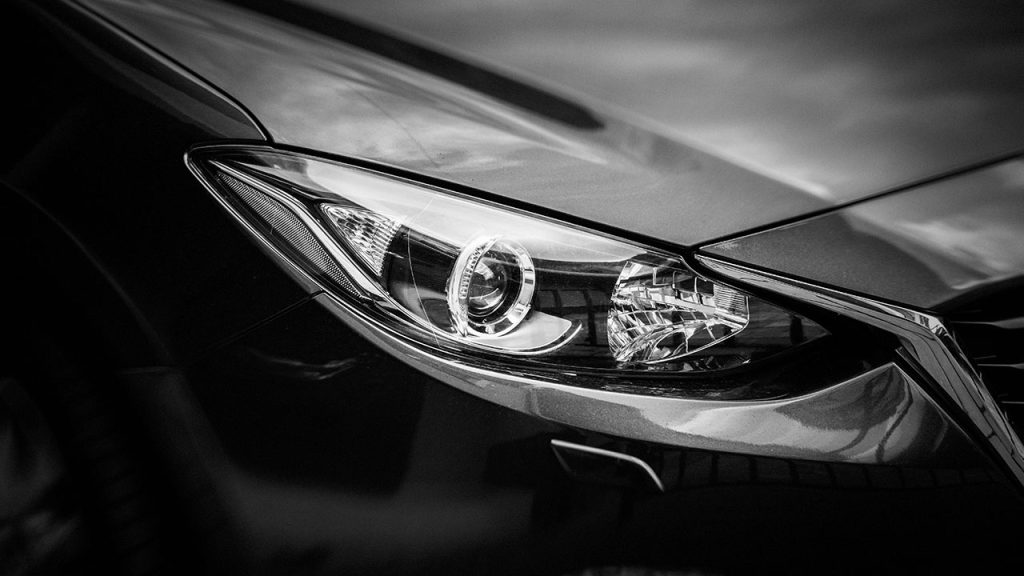
Even so, he said those improvements could be undermined by outside conditions, including curves in the road, changes in road gradient, and the higher mounting position of lights on some SUVs and utes.
Australian Design Rules set standards for headlight performance, including a requirement that they provide enough illumination without causing dazzle.
For low-beam headlights, the standard maximum output is 2,000 lumens per lamp. If a light produces more than 2,000 lumens, it must have self-levelling and other equipment to be lawful.
Fog lights are also permitted if they are directed low enough to improve visibility of road markings and avoid glare. Aftermarket driving lights are legal too, as long as they switch on and off together with the vehicle’s high beams.
Mr Beck said lighting performance, including glare, could be measured for each model as part of a vehicle’s broader safety assessment.
“From my point of view there’d be two ratings,” he said.
“One looking at the benefits of more accurately aimed [lights] towards a particular area, but also a rating looking at their ability and likelihood to avoid dazzling oncoming traffic.”