Australians struggling with the local housing market are increasingly drawn to Italy’s headline-making €1 homes, but property adviser Nikki Taylor says the ultra-cheap asking price can be deeply misleading.
“I’ll be straight with you – I’ve always been against the one-euro home,” she told Yahoo News.
“The €1 is a headline, not a price.”
Taylor said many buyers become fixated on the tiny upfront cost without understanding the scale of the work and administration that often follows. According to her, the real burden is usually the cost of turning the property into something liveable.
These properties are commonly abandoned, severely run down or partly collapsed homes that local councils are eager to move on. In return for buying at a rock-bottom price, purchasers often inherit a lengthy list of conditions.
“You’re not just buying a house, you’re buying a set of obligations to the local council,” she said.
She warned renovation bills alone can run from $41,000 to $163,000, before accounting for permits, taxes, engineers, tradespeople and legal paperwork. Buyers may also have to lodge a bond of between $3260 and $16,300, complete the works within about three years, and comply with limits on how the home can be used or sold.
“None of this makes the dream fake,” Taylor said.
“It just means the real cost of entry is the renovation and the admin, not the sale price — and that’s exactly where people get caught out.”
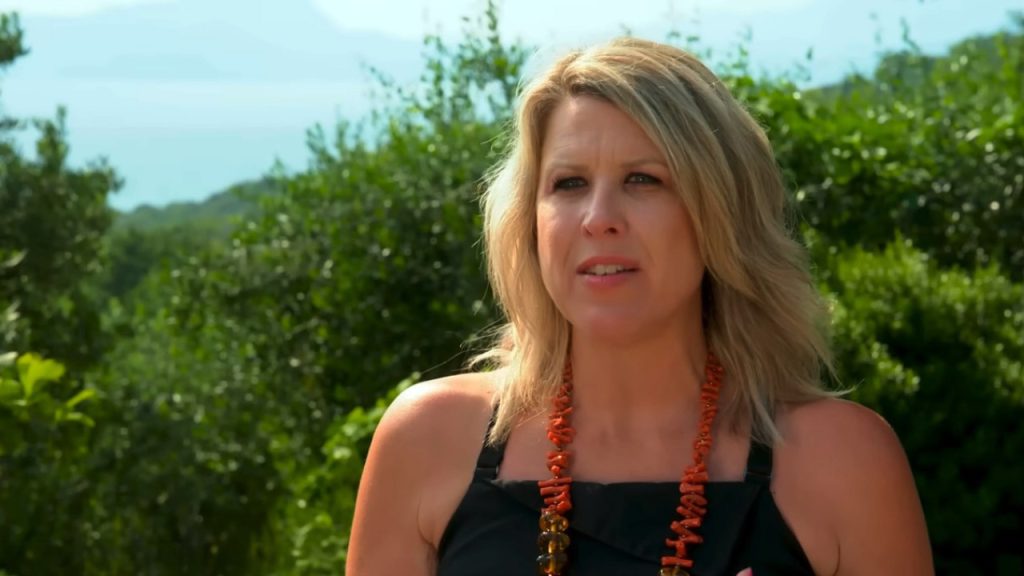
Taylor left behind a finance career and moved to Italy in 2014, after first falling in love with Florence during a visit in 2001. Since then, she has purchased and renovated her own home, and built Italy Property Consulting to help international buyers navigate the market.
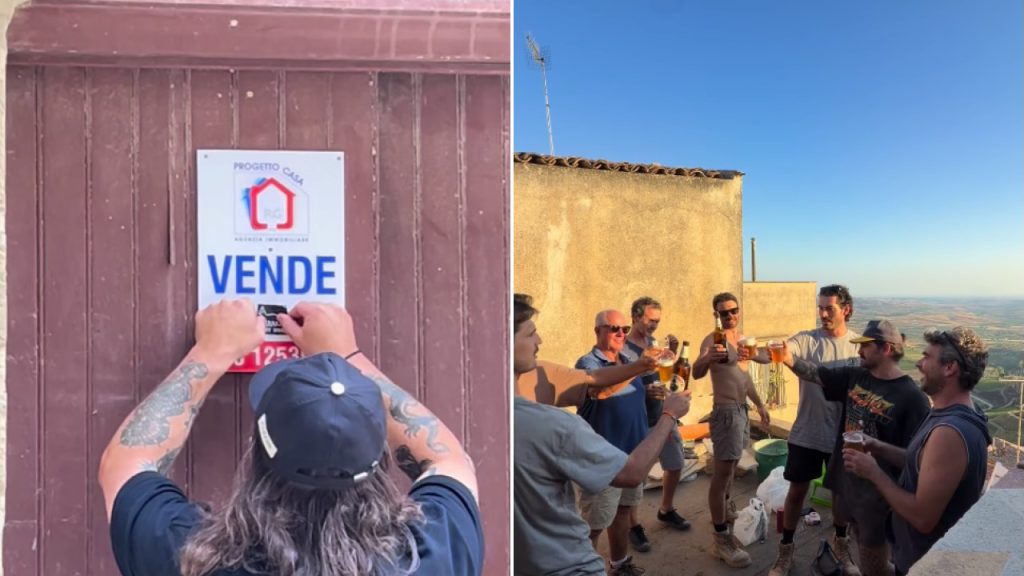
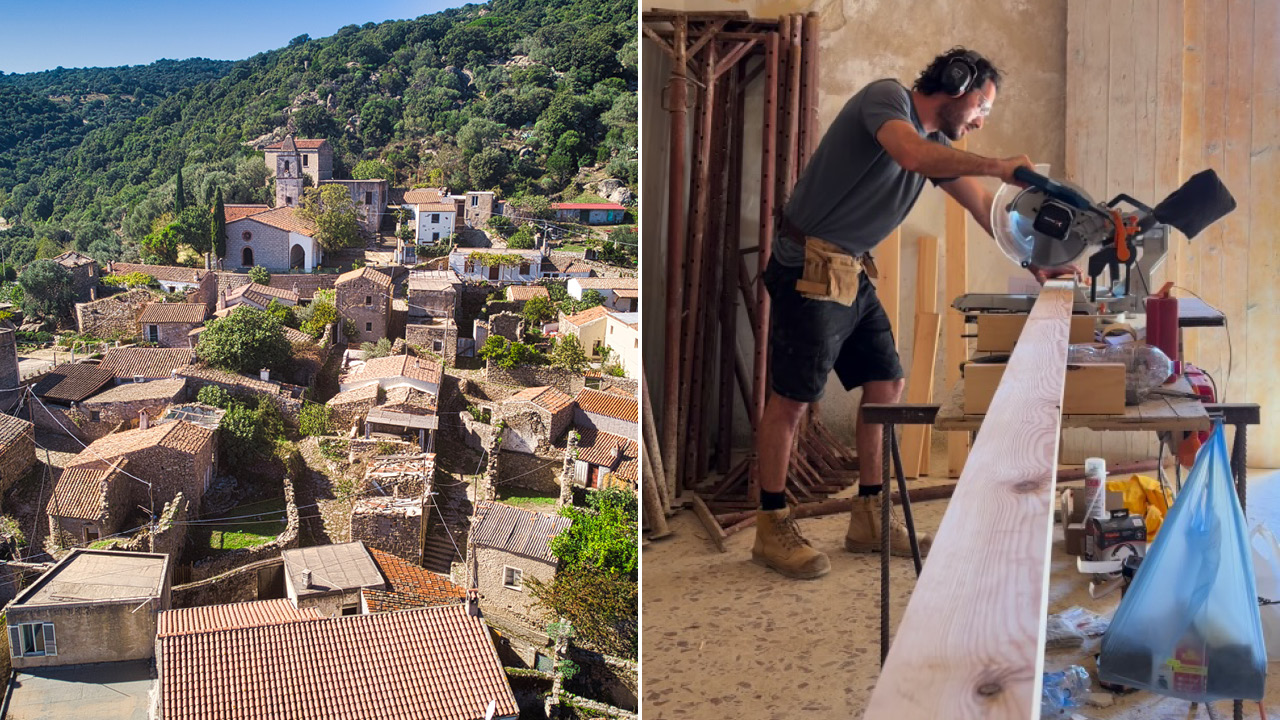
Her comments come as four Australian friends are trying to do what many only imagine, converting a €1 property in Sicily into a home. Riley, Jack, Ricky and Miles have quit their jobs, sold their belongings and started documenting the process through The One Euro Dream. Taylor noted that some members of the group have trade backgrounds, which gives them a significant edge.
She said the project was compelling, but cautioned against treating it as a typical example for buyers.
“For someone buying on their own without a production budget or four mates’ worth of free tradework, the maths – and the risk – looks a lot different,” she said.
“It makes for great viewing, and I don’t blame anyone for being drawn to it.
“I just wouldn’t want someone using it as their financial model for how this actually works.”
With PropTrack reporting that the average capital city home price in Australia is now above $1 million, Taylor said more people are looking overseas in search of both a lifestyle change and a more achievable route into property ownership.
“For a lot of Australians, especially anyone under 40, home ownership here isn’t a five-year plan anymore. It’s a maybe-never plan,” she said.
“It’s not that people have given up on owning a home.
“They’ve just stopped assuming it has to happen in Australia.”