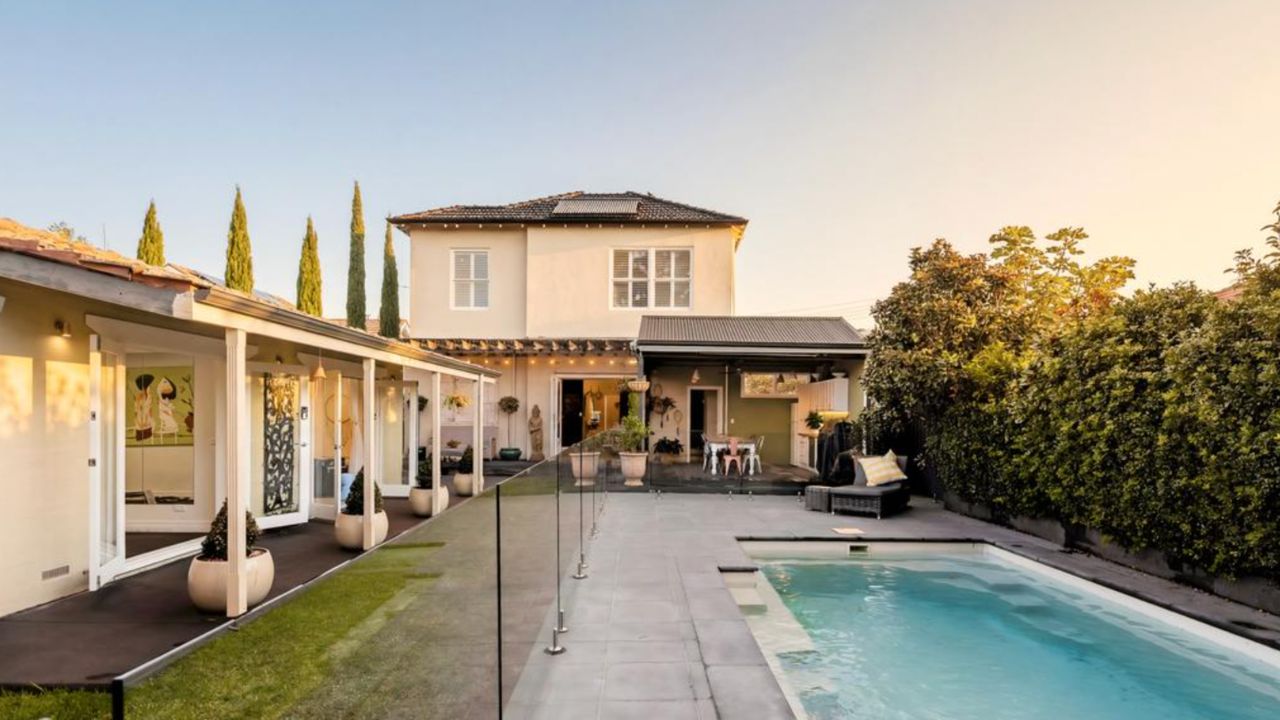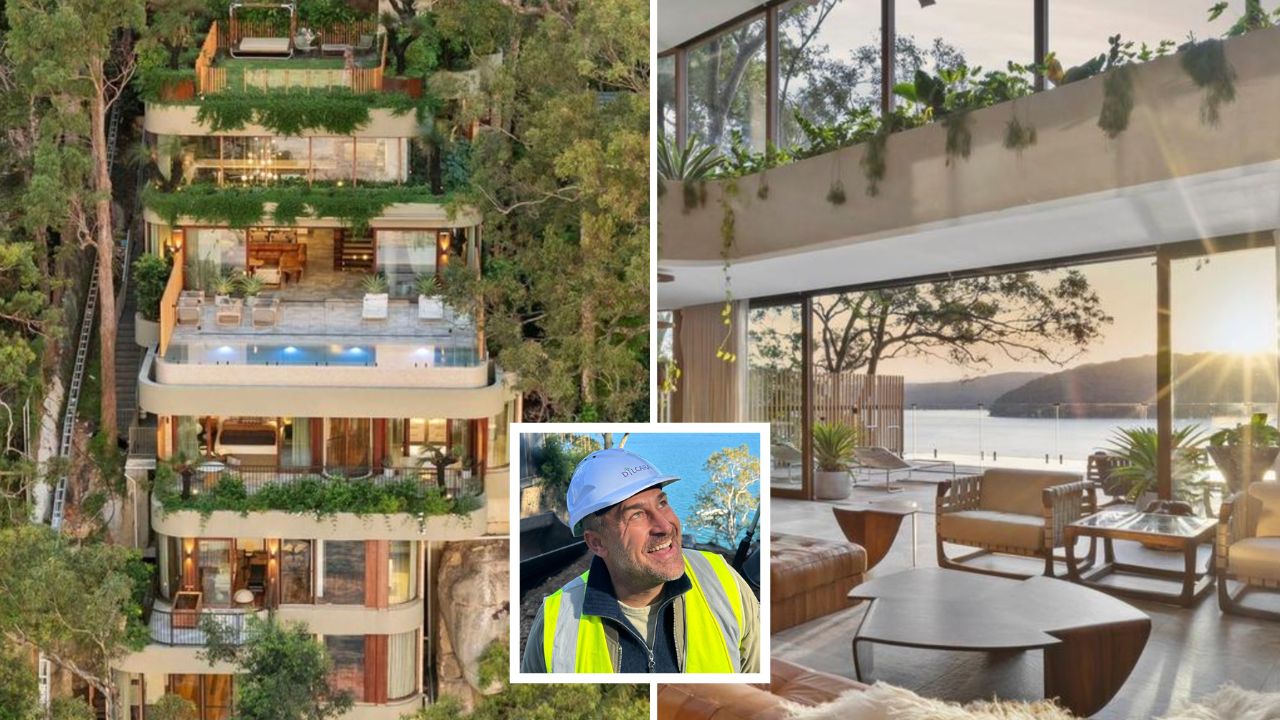
House prices in Sydney and Melbourne are expected to slide further over the next year, with economists predicting falls of as much as 8 per cent as the federal government’s changes to negative gearing and capital gains tax add to the dampening effect of interest rates.
That scale of decline would strip about $100,000 from the median price of a Sydney house, while a similar fall in Melbourne would reduce the median by roughly $75,000. More expensive homes would lose more in dollar terms, while cheaper properties are expected to be more resilient because of stronger first-home buyer demand.
The outlook comes as the national auction clearance rate sank to a six-year low last week, reinforcing signs that the housing market is losing momentum. Economists believe the slowdown in Sydney and Melbourne is likely to be followed by weaker conditions in other capitals, with the risk of broader economic effects.
The government’s tax package was introduced into the Senate on Monday. It includes limiting negative gearing to new builds from the middle of next year and restoring the pre-1999 capital gains tax concession. The Greens are expected to back the legislation, although they are still in talks with the government over delaying the passage of its National Disability Insurance Scheme overhaul by a month to allow more time for an inquiry.
In parliament, Opposition Leader Angus Taylor used the first question time since Labor last week widened CGT carve-outs for small and innovative businesses to accuse Prime Minister Anthony Albanese of an “Olympic-level backflip” over the added concessions.
Albanese defended the government’s housing agenda, saying it had “thrown everything at housing supply” and that the budget was tackling a system that had favoured investors over younger first-home buyers.
“That’s why we’re reforming negative gearing and capital gains tax, so that hardworking Australians can actually see their hard work pay off, making a real difference,” he said.
A Resolve Political Monitor poll of 1801 people released on Monday found 54 per cent backed lower house prices, while 11 per cent were opposed. Another 35 per cent said they were unsure or neutral.
Values in Sydney and Melbourne had already begun easing before the budget announcement. With housing in both cities already highly unaffordable and the Reserve Bank having lifted interest rates three times since February, median house prices fell in the March quarter by $75,000 in Sydney and $42,000 in Melbourne.
Since last month’s budget, bank economists have revised their forecasts. All had already expected softer conditions, but each has since lifted the size of the expected declines in Sydney and Melbourne.
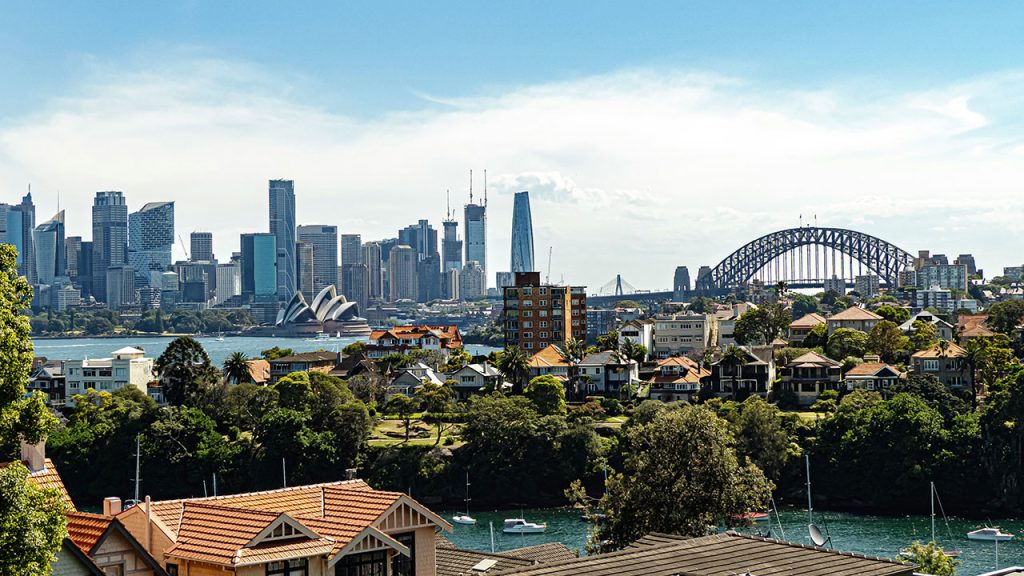
NAB has the most negative forecast, predicting a 2 per cent national drop this year, driven by a 6 per cent fall in Sydney and a 7 per cent decline in Melbourne. It also believes the market will regain ground in 2027, with overall prices increasing by 2 per cent. Westpac expects prices nationally to be flat this year, but forecasts Sydney to fall 3 per cent and Melbourne 4 per cent.
The projected declines would be less severe than the downturn of 2022-23, when rising Reserve Bank rates and high inflation reduced buyers’ borrowing power. During that 15-month period, median property prices in both Sydney and Melbourne dropped by more than $100,000. Prices also declined between 2017 and 2019, between 1989 and 1991, in 2008-09 and between 2010 and 2012.
AMP expects a 5 per cent national fall over the next 12 months. Deputy chief economist Diana Mousina said such a move would sit within the range of earlier property corrections.
She said Australian property remained expensive by any measure, with prices having risen by more than 50 per cent since the early pandemic period. She also said households in Australia carried much more debt and devoted a larger share of income to interest repayments than almost every other major economy.
The government’s policy changes were likely to slow house price growth, she said, but not necessarily trigger major economic damage.
“There is a persistent perception in Australia that falling home prices signal broader economic weakness,” she said.
“In reality, however, modest price declines – particularly after a period of strong gains – can simply reflect a rebalancing of the housing market.”
Fresh figures from Cotality point to a cooling market. The national preliminary auction clearance rate fell to 47.4 per cent last week, the lowest result since late April 2020. It has now been below 60 per cent in 10 of the past 12 weeks.
Ministers and opposition MPs were repeatedly asked on Monday whether they supported falling house prices. Social Services Minister Tanya Plibersek did not directly answer, but told the Seven Network that prices had been rising too fast and that Australia had one of the world’s most expensive housing markets.
“People just can’t keep up with that because they’ve been competing with property investors for those houses,” she said.
Shadow Treasurer Tim Wilson said he wanted wages to rise while keeping taxes as low as possible so Australians could better afford homes.
“Everybody wants house prices to be lower until they’ve bought their first home, then they want them to go up,” he said.
Taylor also avoided stating whether prices should fall, instead saying housing needed to become more affordable.
“You know how you do that? You have lower interest rates, lower inflation and higher incomes. Higher real incomes, higher purchasing power of your pay packet,” he said.
Lower interest rates and rising incomes can also fuel price growth. Sydney’s median house price jumped 37 per cent in the 12 months to mid-2021, when official rates were cut to zero and incomes rose sharply, partly because of the JobKeeper program.