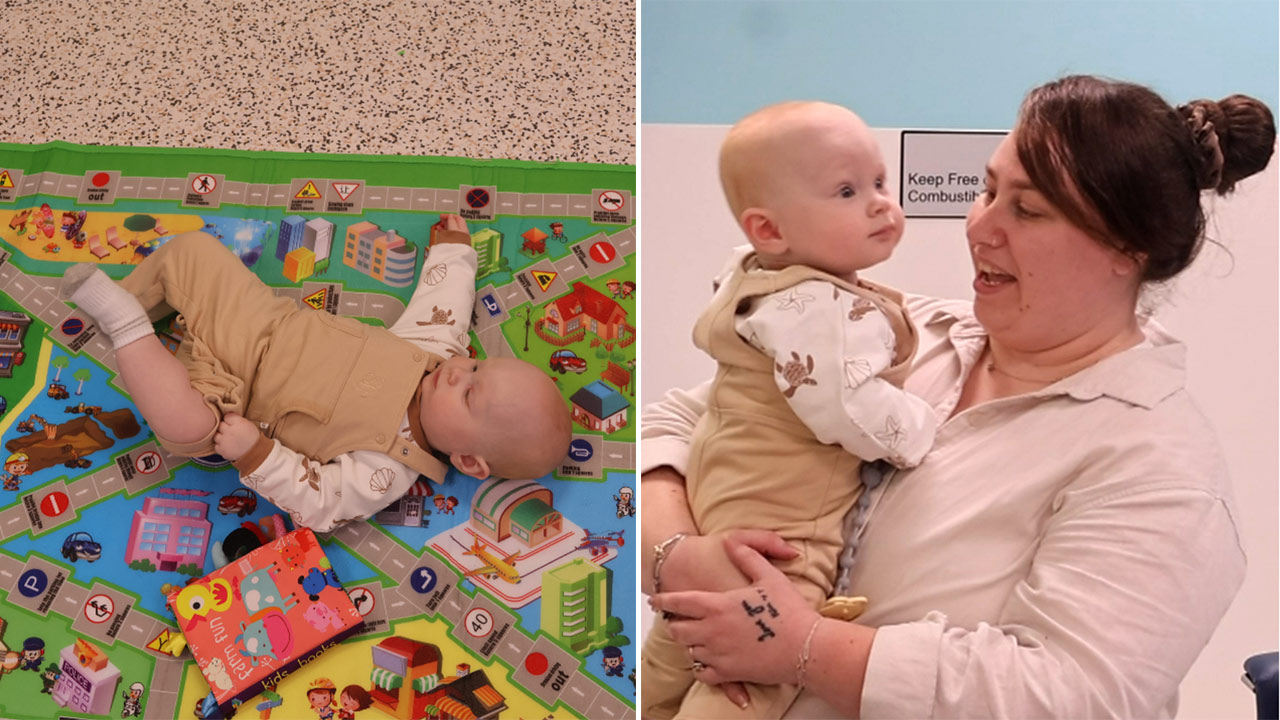
Eight-month-old Bohdi Higginson is smiling, babbling and back home with his family after becoming the first person in the world to receive a breakthrough treatment for a devastating form of childhood epilepsy.
The NSW Central Coast baby began suffering seizures when he was just three months old and was eventually diagnosed with KCNT1-related catastrophic epilepsy – an extremely rare genetic disorder that can be fatal in infancy.
Only 18 cases of the condition have ever been recorded in Australia, and until now there was no known effective treatment.
For Bohdi and his parents, Stephanie and Brad Higginson, the diagnosis marked the beginning of an incredibly difficult period.
His seizures became increasingly frequent and severe, with Bohdi experiencing up to 60 a day according to NSW Health. On his worst day, his mother said the family counted 74.
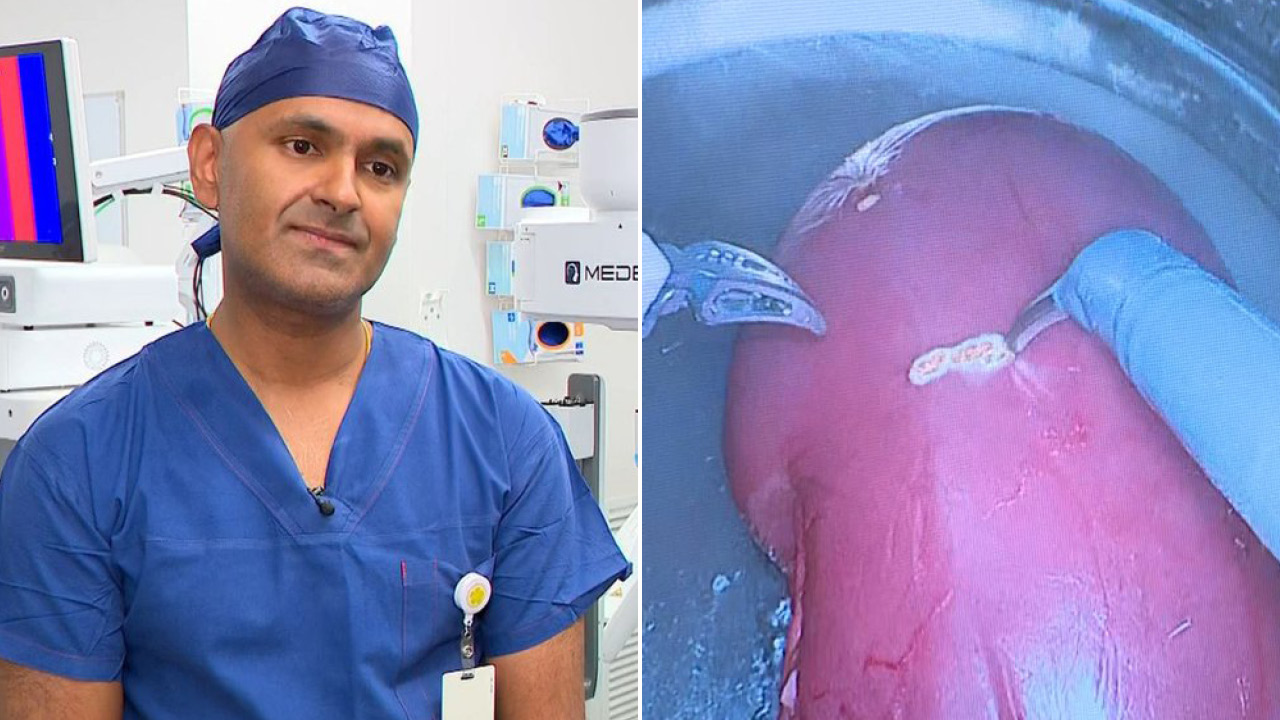
Bohdi was referred to paediatric neurologist Dr Kavitha Kothur at The Children’s Hospital at Westmead when he was four months old, but conventional medications failed to control his epilepsy.
His condition deteriorated to the point where he was spending almost all his time either having seizures or recovering from them, while also losing developmental milestones he had already reached.
But Dr Kothur refused to give up.
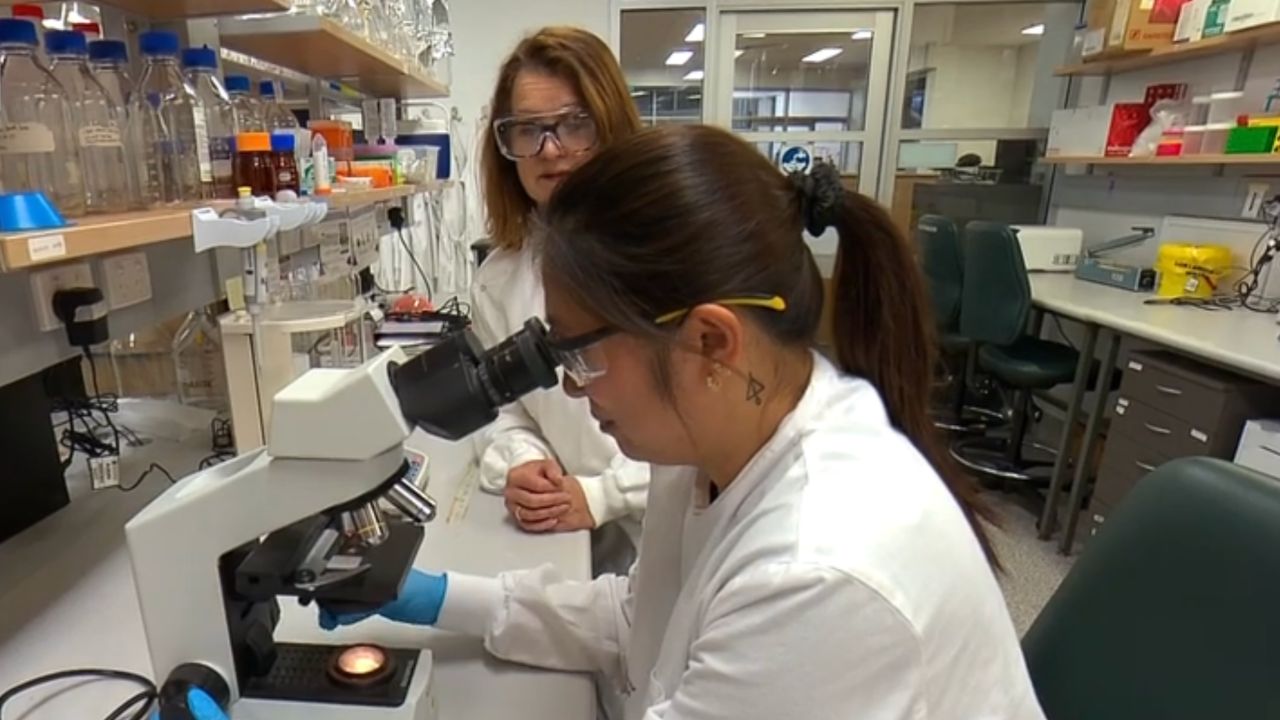
Working with research experts, she identified the genetic change driving Bohdi’s epilepsy and a precision medicine that could potentially target its cause.
There was one enormous catch: while the medication had been trialled in healthy adults, it had never been given to a child or a patient with epilepsy.
Bohdi’s case became the first to be assessed through the Sydney Children’s Hospitals Network’s new Innovative Therapies Pathway, which has been established to fast-track promising personalised treatments for children with rare, complex and life-limiting conditions.
The pathway allowed experts to rapidly assess the treatment’s safety, evidence, ethics and other requirements, helping deliver the medication to Bohdi within just six weeks.
On April 21, he received his first dose. Three days later, Bohdi had what remains his final seizure. Within days, the little boy who had required around-the-clock care began to transform. His seizures had stopped. He began smiling again. And eventually, Bohdi was well enough to leave hospital and go home with his family.
For his mum, the change has been extraordinary. “I will never be able to thank Dr Kothur enough for what she has done for my family,” Stephanie said. “She never gave up looking for answers, and she gave us hope when we needed it most.
“Her work changed our lives. Bohdi’s now like a completely different baby.”
Dr Kothur said it was still early in Bohdi’s treatment journey, but his progress so far had been remarkable, with his seizures completely stopping and improvements already being seen in his development.
Bohdi will continue receiving the treatment and will be closely monitored to understand its longer-term effects. But his story could ultimately prove significant far beyond one family.
The Innovative Therapies Pathway is designed to help other children with rare diseases gain faster access to emerging treatments, with NSW Medical Research Minister David Harris saying it has the potential to become a global model for paediatric rare disease care.
For Stephanie, however, the world-first breakthrough is much more personal. She and Brad had waited 10 years to have a child.
Now their little boy is helping lead the way towards treatments that could one day give other families facing devastating rare diseases the same precious thing Bohdi’s family was given: hope.
“I always knew he was special,” Stephanie said, “but he’s just proven that he’s even more special than I could ever [have] imagined.”
Images: NSW Government