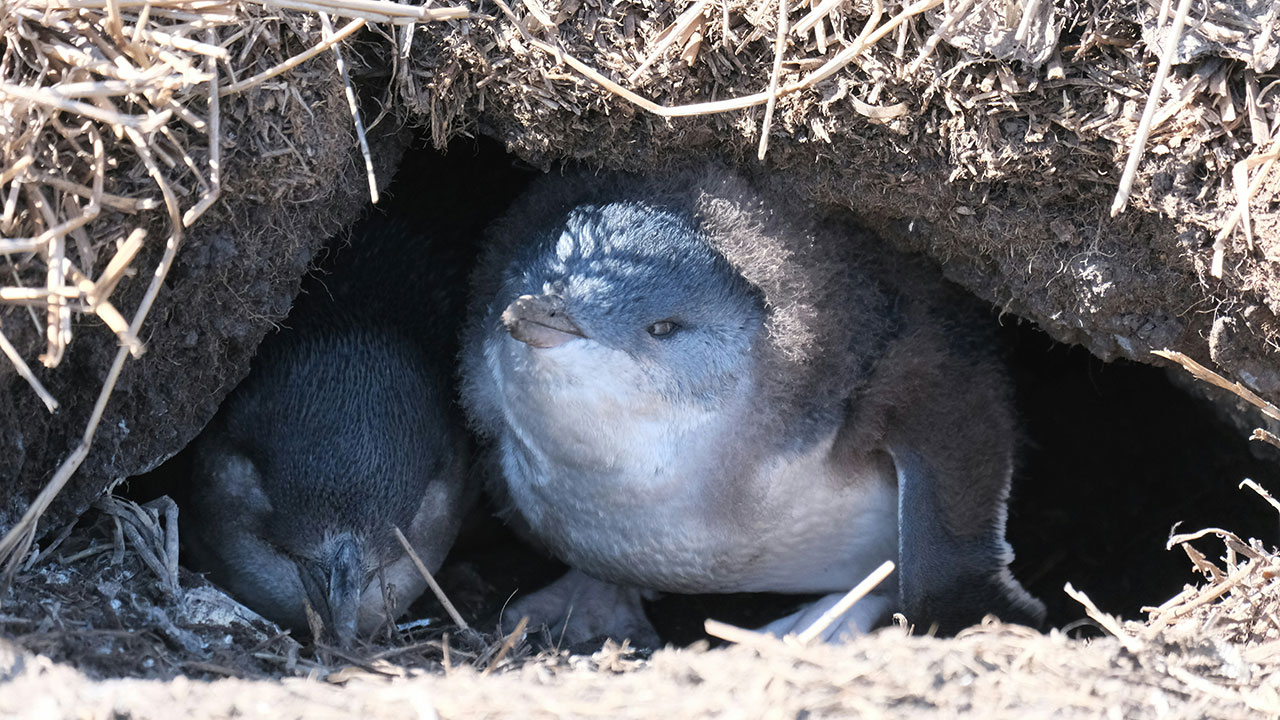
Victoria is preparing to vaccinate more than 5000 little penguins at Phillip Island and St Kilda, with the program beginning on Monday as authorities try to limit the impact of H5 bird flu.
The rollout has taken on greater urgency after the state confirmed Australia’s first H5 bird flu case in a little penguin. The infected bird later died.
Phillip Island is home to about 40,000 little penguins, the largest colony of the species in the world and one of Victoria’s best-known wildlife attractions. The latest case is expected to increase concern for the island’s population.
The Victorian government said the infected penguin was not found within the Penguin Parade precinct, though it did not disclose the exact location.
Fears had already been rising among conservation groups over the possibility of widespread losses if H5 bird flu reached the island. Those concerns intensified this week when the state announced what it described as the world’s largest H5 vaccination program for wild birds.
The plan is seen as workable because little penguins usually return to the same burrows each night, making them easier to locate than many other wild species. Even so, the operation is complicated, with each bird requiring two doses administered weeks apart.
Chief veterinary officer Dr Graeme Cooke said Victoria had acted quickly once federal approval was secured for H5N1 vaccines covering priority native bird species.
“Agriculture Victoria is working closely with Phillip Island Nature Parks to support the vaccination of little penguins from Monday,” Dr Cooke said.
“While the first detection in a little penguin is a concern, vaccination of little penguins on Phillip Island remains a meaningful way to help protect this important colony.
“Vaccination is not a guarantee against infection but remains an important tool that may help reduce the impact of H5 bird flu in this population.
“We will continue to monitor the colony closely and adapt our approach as new information becomes available.”
The confirmed case comes as Australia’s bird flu tally continues to rise, with 219 cases recorded nationally as of Friday.
Authorities are also reminding people not to touch sick or dead wildlife and to keep pets away from animals and carcasses.