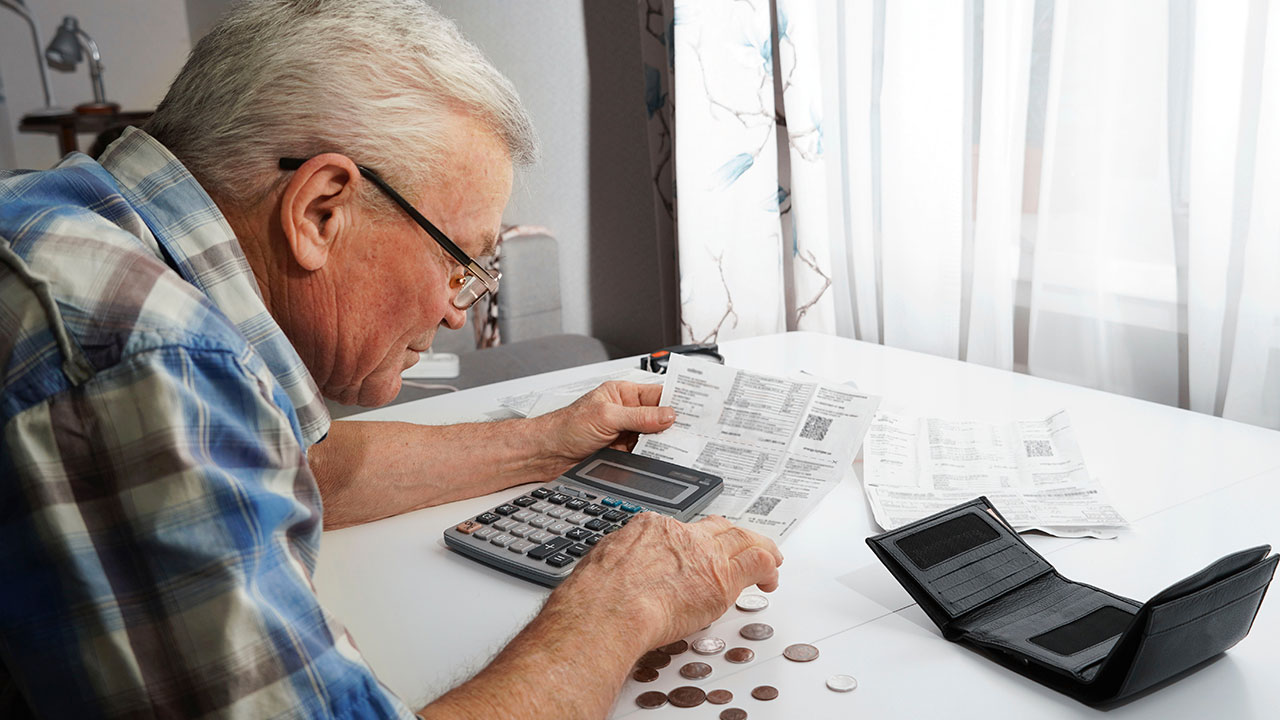
The phone rings and it’s the old workplace, asking if a retired worker fancies coming back two days a week. The first thought for many is the wrong one to have to ask alone: will saying yes cost the age pension payment that only just started landing in the bank account each fortnight?
The honest answer is that returning to paid work, cutting back to part-time hours, or drawing a supplementary income from superannuation while still on the job all sit across three separate rulebooks. None of them switches off an age pension payment, a superannuation balance or a tax concession automatically – but each one is worked out differently, and it helps to know which rule applies where.
What changes with the age pension if you go back to work?
The age pension income test, including the Work Bonus that lets age pensioners keep more of what they earn from paid work before it affects their payment, is worked out by Services Australia, not the Australian Taxation Office (ATO). Because the current thresholds move over time, anyone weighing up a return to work should check the live figures directly on the Services Australia website before making a decision, rather than relying on a number from last year or from a friend’s experience.
Can hours be reduced instead of stopping altogether?
Superannuation rules allow for a phased exit rather than one hard stop. Once a person reaches their preservation age – the age varies depending on year of birth and is set out on the ATO and MoneySmart websites – they can start what’s called a transition to retirement income stream, or TRIS, which tops up part-time earnings with regular payments drawn from their superannuation.
A TRIS has one firm boundary: it must be paid as regular income, not as a lump sum, for as long as the person keeps working. The ATO describes the purpose plainly, framing it as a way to reduce working hours without reducing income, rather than a loophole for early access to superannuation savings. Compulsory superannuation guarantee contributions from an employer keep accruing throughout this period, including for someone on a TRIS.
Does tax change once you’re back at work at 60?
Most people aged 60 and over pay no tax on income from a superannuation income stream, including TRIS payments. For those aged 55 to 59, the position is different: TRIS payments are split into a taxable component, taxed at marginal rates, and a tax-free component. That gap alone makes the crossing of 60 a meaningful marker for anyone timing a return to reduced hours.
What if the exit from work was a redundancy, not a retirement?
The tax treatment differs depending on why someone left work in the first place. Genuine redundancy and early retirement scheme payments are tax-free up to a limit based on years of service, with anything above that limit forming part of what’s known as an employment termination payment. A legislated change that took effect on 29 October 2019, applying to payments made on or after 1 July 2019, extended concessional tax treatment on these payments from a fixed age limit of 65 out to age-pension age.
The ATO also draws a clear line between someone retiring and someone leaving through resignation or an industry change, noting the tax on what they receive may differ depending on the reason. So a person who took a redundancy payment and later returns to work may face a different tax outcome to someone who simply resumed paid employment after a straightforward retirement.
Are there offsets and lump sums worth knowing about?
People who have retired may also be able to claim the seniors and pensioners tax offset alongside the superannuation income stream tax offset, the latter available to those aged 60 or over, or to those receiving a disability super benefit or death benefit income stream. Unused annual leave or long service leave paid out by an employer can also be taxed at a lower rate than ordinary income, appearing on an income statement as Lump Sum A or Lump Sum B.
None of this replaces a direct check of a person’s own figures. The ATO and MoneySmart set out the tax and superannuation access rules described here, while Services Australia holds the separate age pension income test and Work Bonus thresholds that determine what a return to work means for a fortnightly payment.
What it comes down to for the person fielding that phone call is this: saying yes to two days a week no longer has to feel like an all-or-nothing wager against a pension payment or a retirement plan. The systems are separate, the thresholds are checkable, and the choice about how much to work, and when, remains exactly that – a choice.