Retirement is meant to be the point where finances become more predictable, but for many older Australians, the sums keep changing. Food prices keep climbing, insurance premiums bite harder, power bills keep shifting, and now a less visible change could lower Age Pension payments for some retirees.
From March, the Federal Government increased Centrelink deeming rates, changing how income from savings and investments is assessed under the Age Pension income test. While it may sound like a routine policy update, the effect could be felt in household budgets every fortnight.
Deeming is the method Centrelink uses to estimate income from financial assets including bank accounts, shares, managed funds and some superannuation products. Rather than track what a person actually earns, the system applies a set rate of assumed income.
Under the new settings, the lower deeming rate rose from 0.75 per cent to 1.25 per cent, while the upper rate increased from 2.75 per cent to 3.25 per cent. For singles, the lower rate applies to the first $64,200 in financial assets. For couples, it applies to the first $106,200 combined. Amounts above those limits are assessed using the higher rate.
That means Centrelink may now assess some retirees as earning more from their savings than before, even if the real returns on those funds have barely moved. That deemed income is then used to work out Age Pension eligibility and payment amounts.
For many retirees, the frustration is easy to understand. Plenty of older Australians have intentionally kept their money in conservative accounts and low-risk investments, valuing security over stronger returns. But with savings rates still moving and many retirees remaining cautious after years of uncertainty, some feel the deeming rates no longer match the real world.
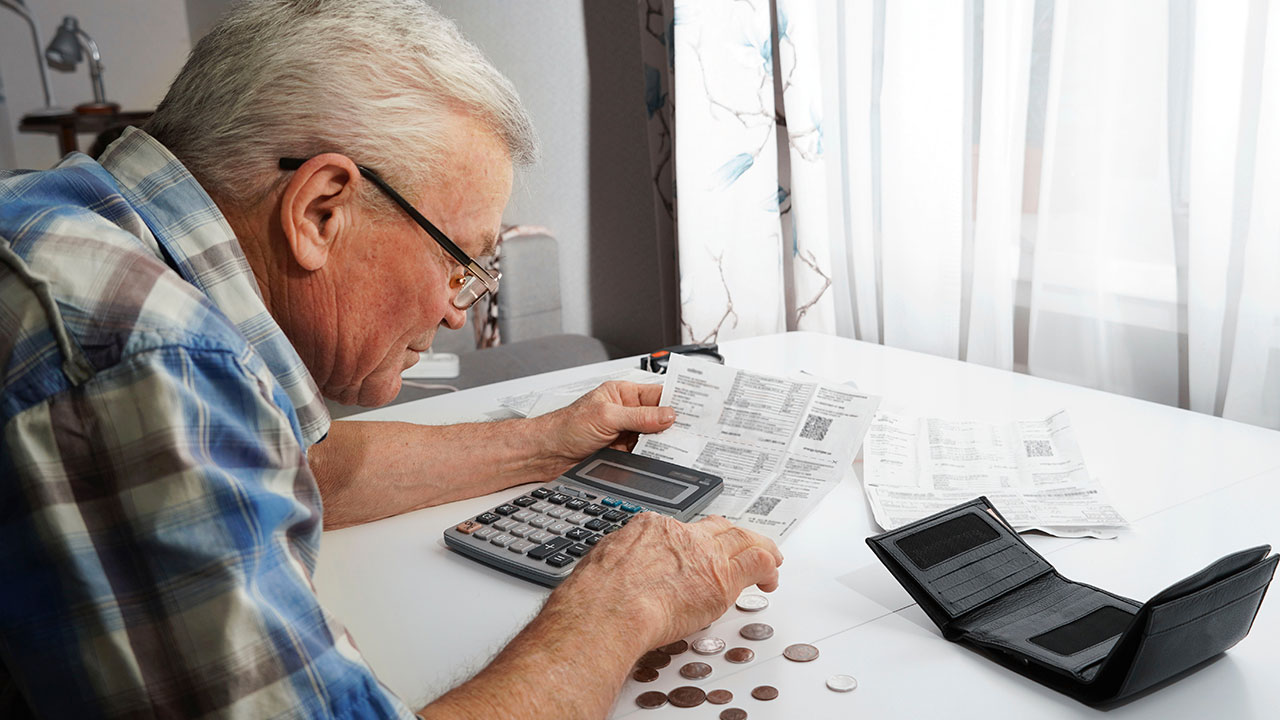
A person with modest savings held mainly in low-interest accounts could face a lower pension because the system assumes they are earning more than they actually are. It may seem minor in policy terms, but at home the impact can be far more noticeable when every fortnightly payment has to cover rising costs.
The change came at the same time as March pension indexation, which slightly increased Age Pension payments. Singles received an extra $22.20 per fortnight, while couples got an additional $16.70 each per fortnight. But for some part-pensioners, that increase may be reduced or even wiped out by the higher deeming calculations.
National Seniors Australia has warned retirees to look closely at how the changes could affect both their payments and their broader retirement planning. Financial advisers say many pensioners do not fully understand deeming until they notice an unexpected shift in what they receive.
The concern goes beyond this one adjustment. Many retirees are already juggling a series of smaller financial pressures that together create real strain. More older Australians are helping adult children, carrying mortgage debt later in life, managing higher grocery bills and watching daily expenses rise faster than expected. In that environment, even a relatively small pension reduction can matter.
Services Australia says deeming is designed to simplify the pension system so retirees do not need to constantly report actual investment income. But for those trying to manage their money carefully and conservatively, the calculation can feel increasingly disconnected from what their savings are truly earning.
For retirees unsure about the effect of the latest change, advisers say it is worth asking questions now rather than assuming nothing will change. Important issues to raise include whether the new deeming rates could reduce an Age Pension payment, whether too much money is being held in low-interest cash accounts, whether investments are still structured appropriately under today’s rules, and whether any changes to financial arrangements could affect pension eligibility.
Retirees may also want to ask how often their pension position should be reviewed, whether there are legal strategies to improve their assessable income position, whether gifting money to family could affect pension entitlements, whether their superannuation is being assessed in the most effective way, whether they should seek help from a Centrelink specialist rather than a general adviser, and what would happen if deeming rates rise again.