A broader crackdown on e-bikes could be gathering pace across Australia, with South Australia emerging as the latest battleground over tougher rules for reckless riders.
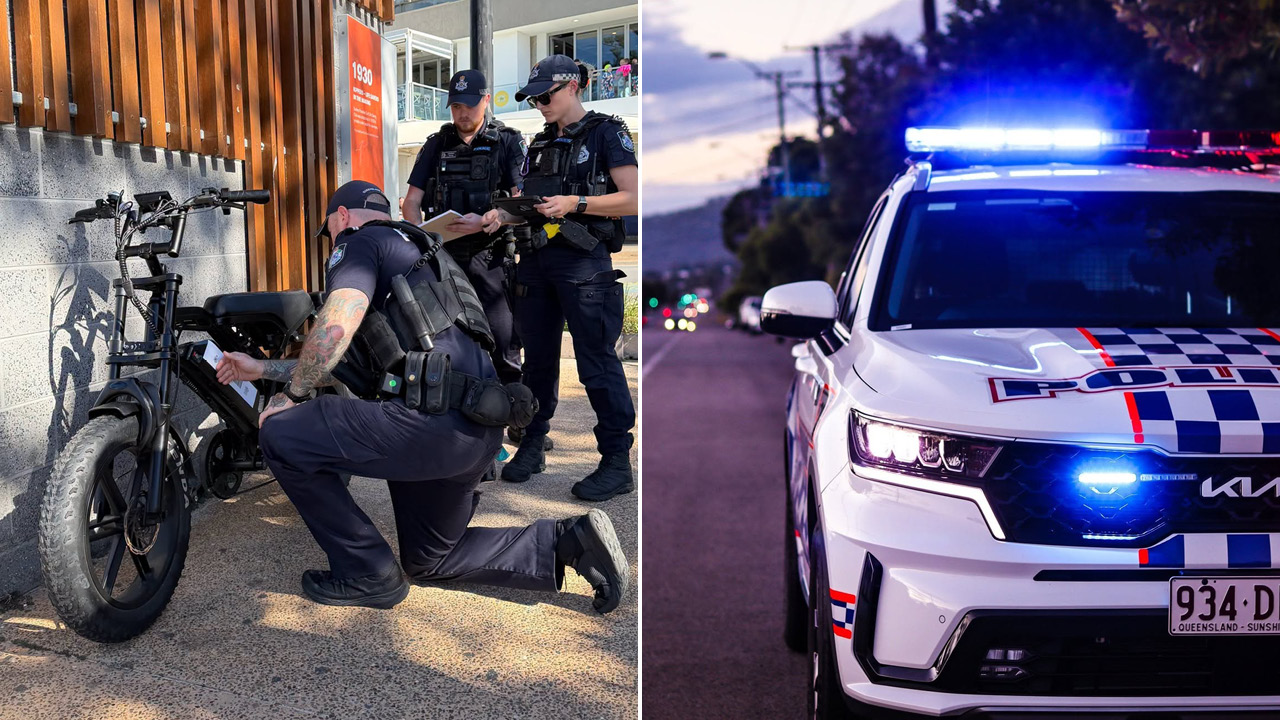
In Adelaide, police recently arrested six teenagers after they were allegedly riding recklessly on e-bikes, in an operation that escalated to include a helicopter. After inspecting the six bikes, police said every one had been illegally modified so extensively that, under South Australian law, they were classified as motorcycles. The six e-bikes were impounded.
The incident has intensified calls from the Royal Automobile Association of South Australia and the Australian Medical Association (SA), which both want riders to be at least 16 and for police to be given stronger powers against illegal e-bikes and e-scooters.
The RAA has lodged a submission to the State Government’s review of personal mobility device legislation, which took effect in July 2025, along with a review of the state’s existing e-bike laws. RAA Senior Manager Road Safety and Infrastructure Charles Mountain said the growing popularity of e-bikes and e-scooters meant enforcement and education both needed to improve.
“E-scooters and e-bikes are a legitimate transport option for many South Australians looking for more ways to get around, and can help take pressure off our roads,” Mr Mountain said.
“But as more people take them up, it’s important we get the safety settings right before poor behaviours become entrenched.”
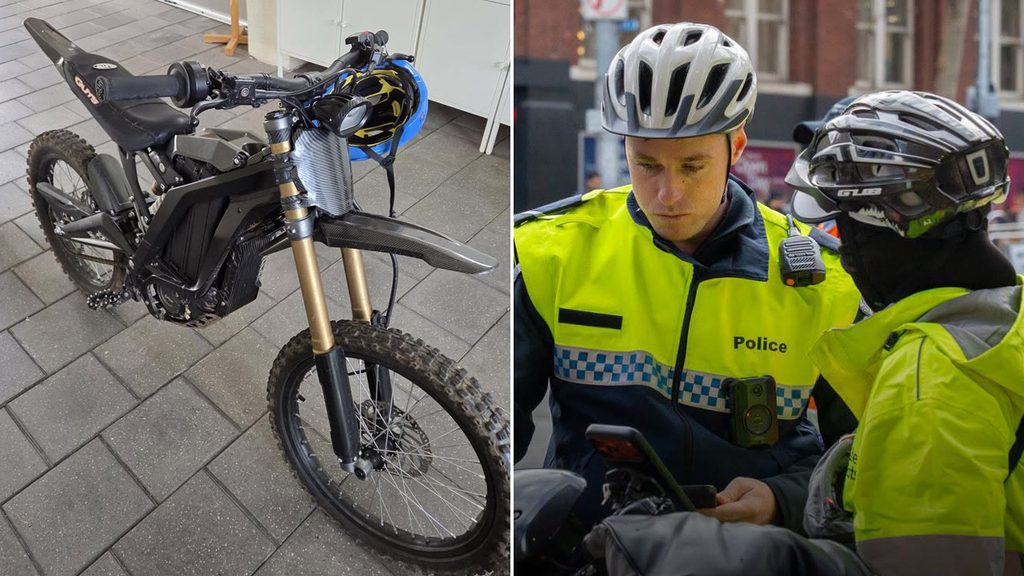
He said the RAA had identified a rising number of high-powered modified devices that were “essentially unregistered motorcycles”, with the ability to travel far beyond lawful speed limits. Research also showed poor understanding of the rules, with about 8 in 10 road users unaware of the current speed limits and age restrictions.
The RAA is calling for targeted police blitzes aimed at speeding, helmet use and underage riding, as well as drug and alcohol testing powers for e-bike riders. It is also recommending a minimum riding age of 16, arguing the greater weight and power of e-bikes create added danger for younger users.
“We know some younger riders use e-bikes safely and responsibly, but on balance we think safety should come first,” Mr Mountain said.
AMA SA President Associate Professor Peter Subramaniam also backed the proposed age limit. He said e-bikes are heavier than ordinary bicycles and can maintain speeds of up to 25km/h, and more if they have been illegally modified.
“E-bikes are not toys. They are typically heavier than regular bicycles and capable of travelling at sustained speeds of 25 km/h – even faster when illegally modified,” Professor Subramaniam said.
“Doctors see the consequences in emergency departments far too often. We treat serious injuries including head trauma, chest and abdominal injuries, and major fractures, many involving riders who are simply too young to safely manage the risks.”
While he acknowledged e-bikes can be useful for many people, Professor Subramaniam said the risks are too great for children under 16.
The South Australian debate is unfolding amid a wider national push for more consistent e-bike laws, which currently differ between states and territories. The Albanese Government has asked the Australian Competition and Consumer Commission to create a new mandatory safety standard for e-bikes under Australian consumer law.
Infrastructure Minister Catherine King said the change would help target dangerous and illegal e-rideables.
“This standard will give Australians the confidence that the products being sold are legal and fit for purpose and will help keep Australians safe,” she said.
If South Australia adopts a minimum age of 16, it would move closer to Queensland’s approach. In Queensland, anyone riding an e-bike independently must be at least 16 and hold a valid driver’s licence or learner permit, while children aged 12 to 17 must be under direct adult supervision. Those new licensing rules are due to begin later this month.
NSW is also tightening its laws. From August, reforms will limit e-bikes to 250 watts, bringing the state into line with other jurisdictions. The NSW Government has also introduced Australia’s first laws aimed at reducing cluttered footpaths from shared e-bikes. Operators of shared e-bikes must now secure approval from Transport for NSW and local councils before offering services, with fines of up to $55,000 for breaches.