Australian households could be overlooking thousands of dollars in electricity bill relief and home energy savings because many simply do not realise they qualify.
Across the country, state and territory governments offer a wide range of concessions, rebates and energy upgrade programs. These include ongoing reductions on power bills as well as assistance worth thousands of dollars for solar panels, batteries and other improvements designed to make homes more energy efficient.
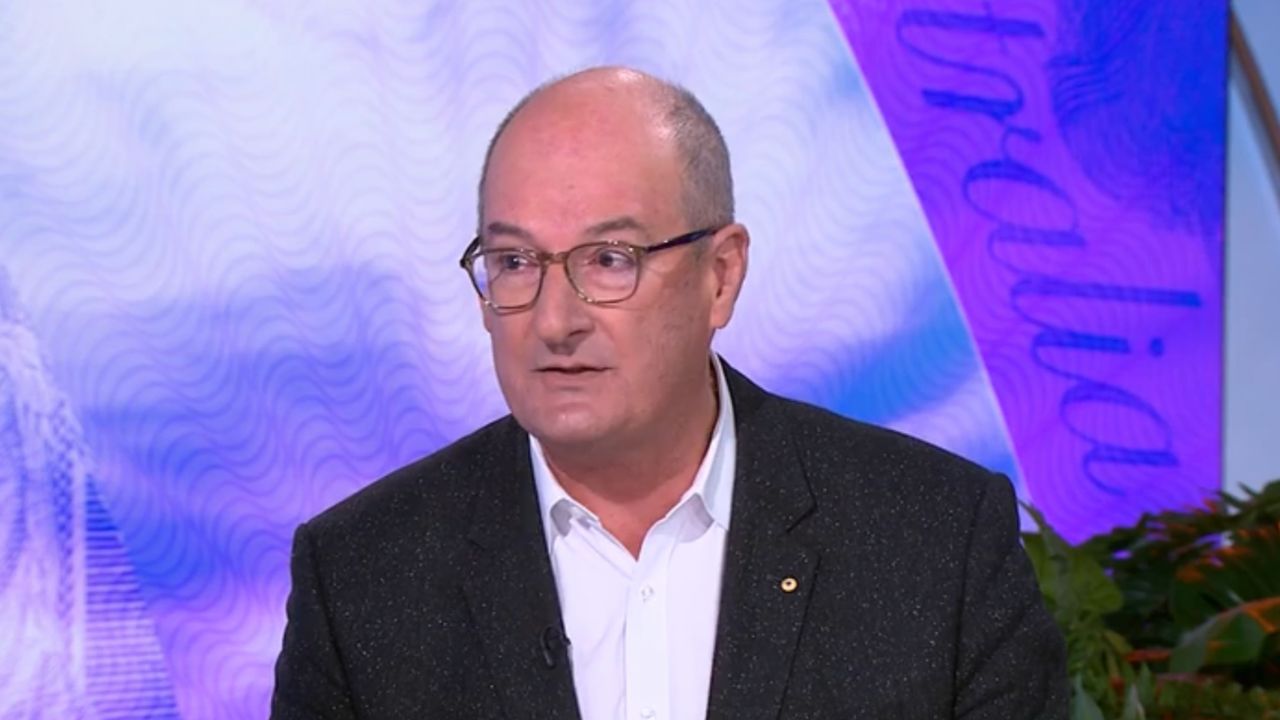
Canstar Data Insights Director Sally Tindall told Sunrise on Monday that the rules differ depending on the state and the scheme, so households need to check carefully what they are entitled to claim.
“Make sure you understand the eligibility criteria and check the opening and closing dates, because some of them you have to apply once and then it’ll automatically keep going. Others you have to apply every year,” she said.
Depending on the program, eligibility may extend to Australians holding a pensioner concession card, Centrelink health care card, Department of Veterans’ Affairs card or Commonwealth Seniors Health Card. Some rebates are also open to families, self-funded retirees and low-income households, while certain schemes are available to renters as well. In most cases, anyone seeking an energy bill rebate must have their name on the electricity account.
In New South Wales, concession cardholders can get up to $285 off electricity bills and up to $110 off gas bills. Families receiving Family Tax Benefit may be able to claim as much as $185 off their electricity bill, while eligible self-funded retirees can access up to $200. Applications for the self-funded retiree rebate open on Monday. NSW households may also be able to cut future energy costs through a separate program offering rebates of up to $4000 for upgrades such as solar panels, DC ceiling fans, ceiling insulation, draught proofing and reverse-cycle air conditioning. That scheme has not opened yet, but it is expected to be available to homeowners and renters earning less than $80,000.
In Victoria, concession cardholders can access an ongoing 17.5 per cent reduction on electricity bills after the first $171. There are also incentives for households wanting to improve energy efficiency, including rebates of up to $1400 for solar hot water.
Queensland offers some of the largest continuing bill concessions in the country. Eligible concession cardholders and seniors can receive up to $399 off electricity bills and up to $96 off gas bills. Queenslanders aged over 65 who hold a seniors card and work fewer than 35 hours a week may also qualify. For rental properties, rebates of up to $3500 are available for solar panels where eligibility requirements are met.
In South Australia, eligible concession cardholders can receive up to $291 off electricity bills. Low-income households may also qualify for a separate cost-of-living concession worth up to $271, with applications closing in December.

In Western Australia, low-income households can receive support worth up to $377, with more than $100 extra for each dependent child. Eligible households may also be able to access an air conditioning rebate worth $79 a month for between two and 10 months, depending on location. Those wanting to improve their homes may also be eligible for up to $3800 towards a home battery.
In the Australian Capital Territory, households can access rebates of up to $5000 for eligible energy-efficient home upgrades. Some state and territory programs also offer no-interest loans to help cover the upfront cost of making homes more energy efficient.
To apply, households should check their state or territory government website to find out which concessions and rebates they can access, although in some cases applications are managed directly through energy providers. Applicants may be asked to supply information from their latest gas or electricity bill, along with details of a relevant concession, health care or seniors card. Some rebates continue automatically after approval, while others must be claimed annually, so checking both deadlines and eligibility rules is essential.
Even households that do not qualify for government support may still be able to cut electricity costs by switching plans. Canstar data shows Brisbane households could save as much as $456 a year by moving to the lowest-priced electricity plan available. The annual saving could be $391 in Adelaide and $437 in Canberra.
With concessions differing widely around the country, and some requiring a fresh application each year, Tindall said households should not assume they are already getting every available discount.