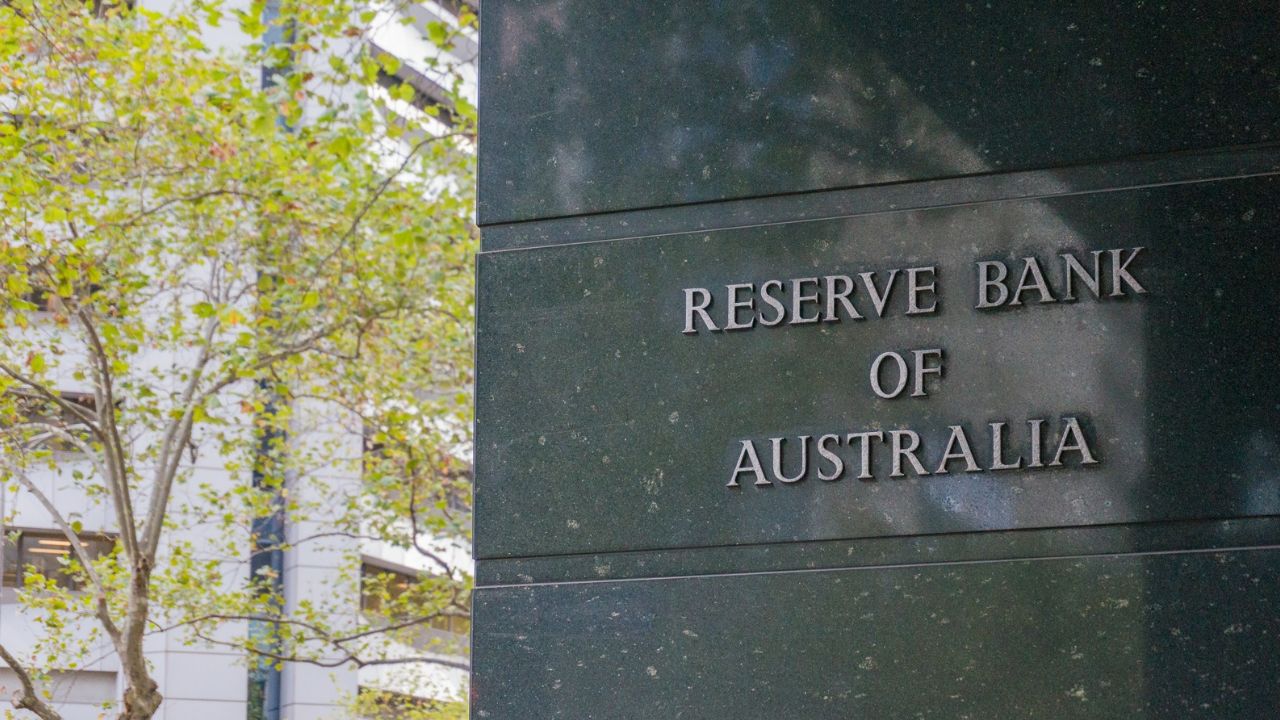
Australians were promised a win at the till this week when the Reserve Bank banned card surcharges, a reform meant to save consumers around $1.6 billion a year. Instead, many shoppers may simply see the cost folded into the price of the haircut, the coffee or the service itself, as businesses find other ways to recover what banks still charge them.
The changes took effect on October 1, stopping businesses from adding a separate surcharge line when customers tap their card. But while the cap on interchange fees that businesses pay banks for credit card transactions has come down, it has not disappeared. Those costs still exist, and someone has to cover them.
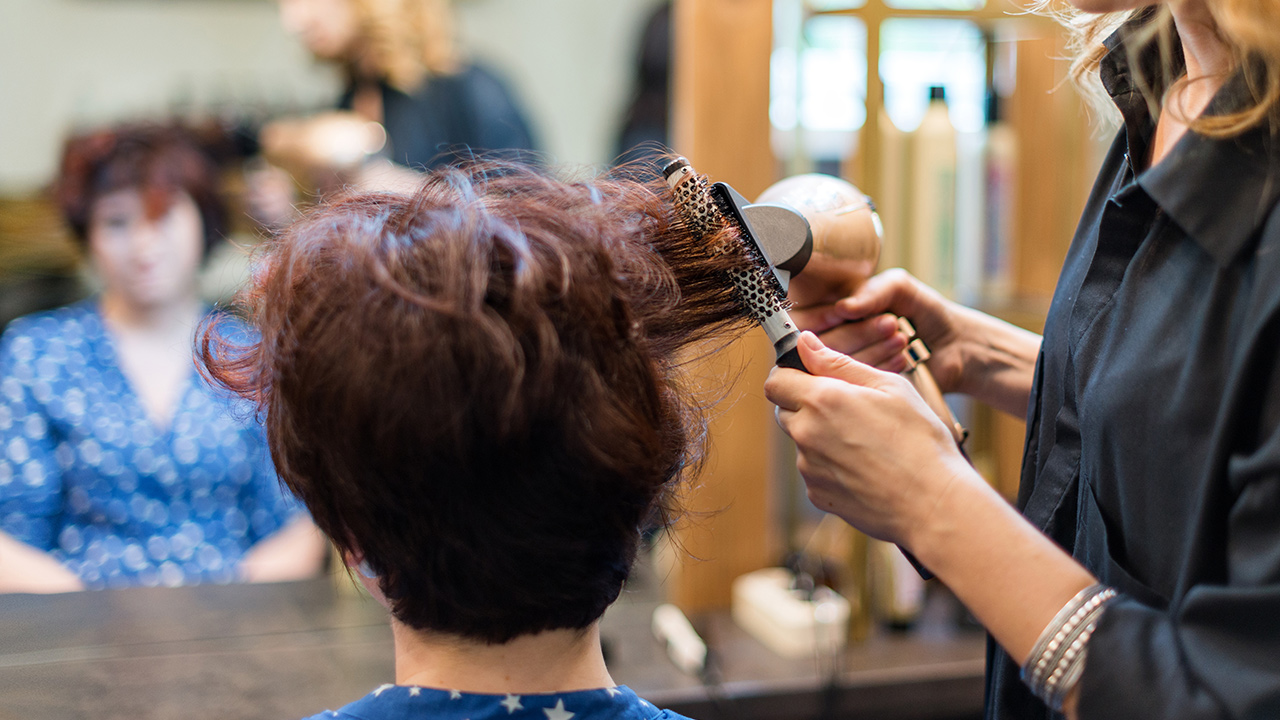
For Sheridan Shaw, who owns a hair salon, that someone is now her and, indirectly, her clients through higher prices across the board.
“Being able to absorb that cost would be detrimental to our business currently,” she told ABC News.
Shaw described the transition as unsettling, admitting she feels “stressed to the nines” and that “it’s a pretty scary time” for small operators trying to work out what comes next.
She has looked at alternatives, including asking customers to pay via direct bank transfer to sidestep card fees altogether. But for a business built on appointments and repeat custom, chasing a client for a missed payment is not worth the trouble.
“We need to accommodate our client that is already struggling with their finances,” she said, adding that a failed bank transfer “is my worst nightmare when it comes to our client experience”.
Instead, the cost of doing business gets quietly built into the price of the service itself, meaning the surcharge has not vanished so much as changed its name.
The hairdressing industry’s peak body says Shaw’s situation is playing out in salons nationwide, with owners wary of the conversation now required with regular customers.
“There is some fear, and I suppose where that comes from is the conversation that has to happen with their clients,” said Fiona Beamish, chief executive of the Australian Hairdressing Council.
“The clients are expecting to now not be charged this particular surcharge but it is really tough on business to be able to communicate a price rise.”
For older Australians who make up a loyal share of salon and small-business clientele, the practical upshot is this: the separate fee on the receipt may be gone, but the bill at the counter is unlikely to shrink. The Reserve Bank designed the reform to put money back in shoppers’ pockets. For now, many small businesses are simply finding quieter ways to keep it in theirs.