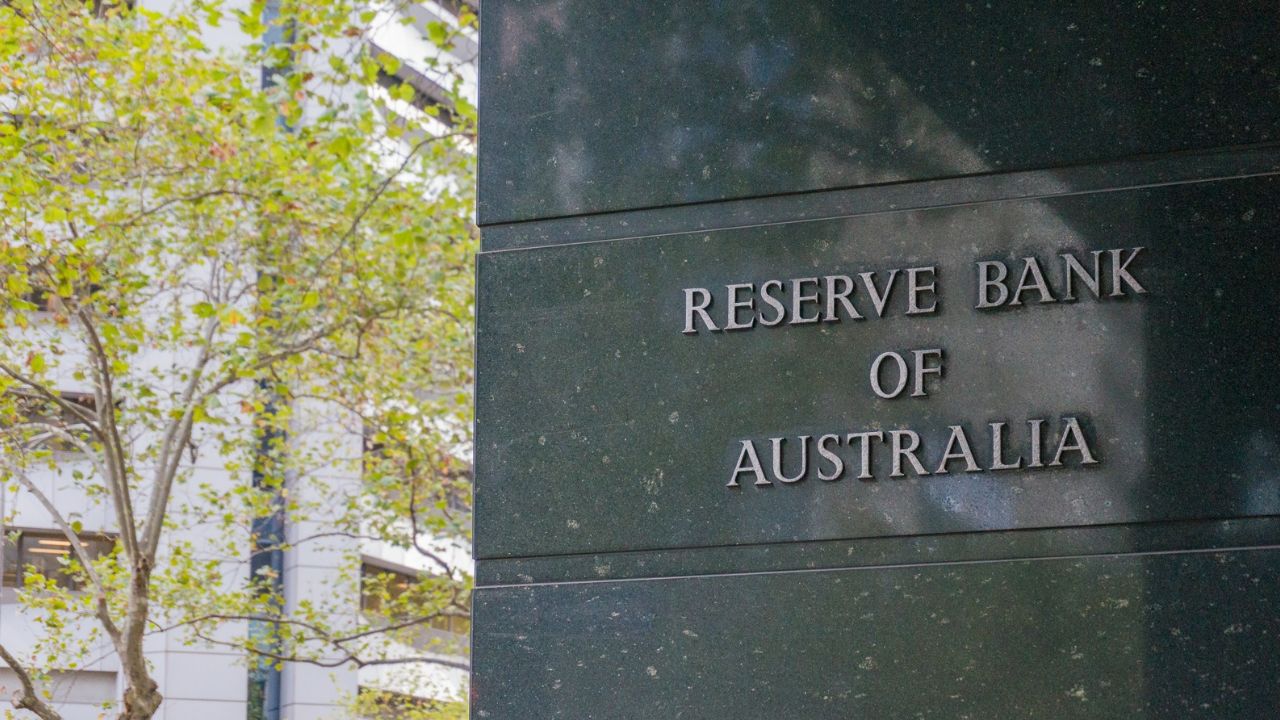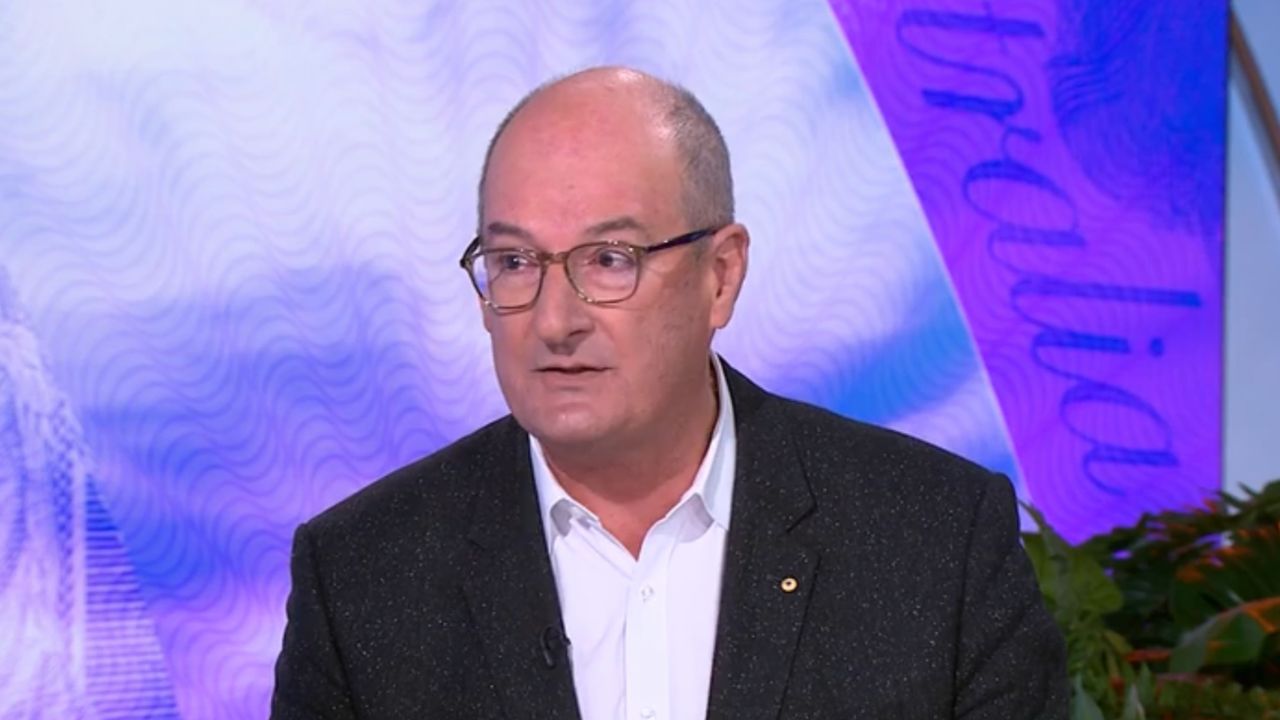
David Koch has criticised government spending after the Reserve Bank lifted interest rates for the fourth time this year, taking the cash rate to a 15-year high.
The 0.25 percentage point increase to 4.6 per cent is expected to add about $91 a month to repayments on a $600,000 mortgage, further increasing pressure on households already dealing with higher living costs.
Koch, the economic director at Compare The Market, said mortgage holders could face an additional $5,500 in repayments over the next 12 months.
“That’s after-tax dollars. You’ve got to be earning $7500 extra. It’s getting ridiculous,” he said.
Koch argued households were being asked to cut back their spending to help bring inflation under control while governments continued to spend.
“We’ve got to ‘fess up,” he said.
“You could sense the frustration in Michelle Bullock, the Reserve Bank Governor, yesterday at a press conference when she was asked if global oil prices are driving inflation around the world.”
Koch said the RBA governor had identified domestic demand as a major driver of inflation and argued government spending was contributing to that demand.
“Domestic demand is economic speak for spending more than we should be, and that’s basically coming from governments.”
He said households had already been cutting back.
“Michelle Bullock challenged Australian households to go easy, tighten their belt, fight inflation,” he said.
“But the counter to that is governments, all levels of government, all persuasions of government, have increased their spending and that’s countering what we’re doing.”
Treasurer Jim Chalmers has defended the federal government’s spending, telling Sunrise that government spending had been reduced, but Koch rejected that argument.
“I’m just frustrated with it. You have politicians talking BS,” he said.
“They’ve actually got to sign up for something to take action to say to you and I and Australian households, ‘We’re with you on this. We’re going to fight inflation together. This is what we’re going to be doing’.”
Koch has called for a new agreement between governments to limit the inflationary impact of public spending and rising fees and charges.
He proposed a formal fiscal policy commitment that would require governments to keep fees and charges below 2.5 per cent when inflation is above 3 per cent.
Image: Sunrise