Australia’s electric vehicle market has surged, with sales rising 134 per cent over the past year as more affordable Chinese models reach local showrooms. The rapid growth comes as more buyers weigh up a central question: are EVs really the cheaper choice?
CarExpert’s Senior Road Tester Anthony Crawford said electric vehicles usually cost more to buy at the start, but that gap can be clawed back through lower charging and servicing bills over time.
An EV is estimated to cost $720 a year to charge, while a petrol vehicle costs about $1740 a year to fuel. “If you live in the city and you’re just driving around town, you’re plugging in at home every night, that’s 30 cents a kilowatt-hour, which is nothing compared to petrol,” Crawford said.
Maintenance can also be cheaper. Annual servicing is estimated at $155 for an EV, compared with $300 for a petrol vehicle. “There’s no engine, there’s no engine oil, there’s no fuel system. There’s no exhaust system. So there’s bugger all to actually do to the car,” Crawford explained.
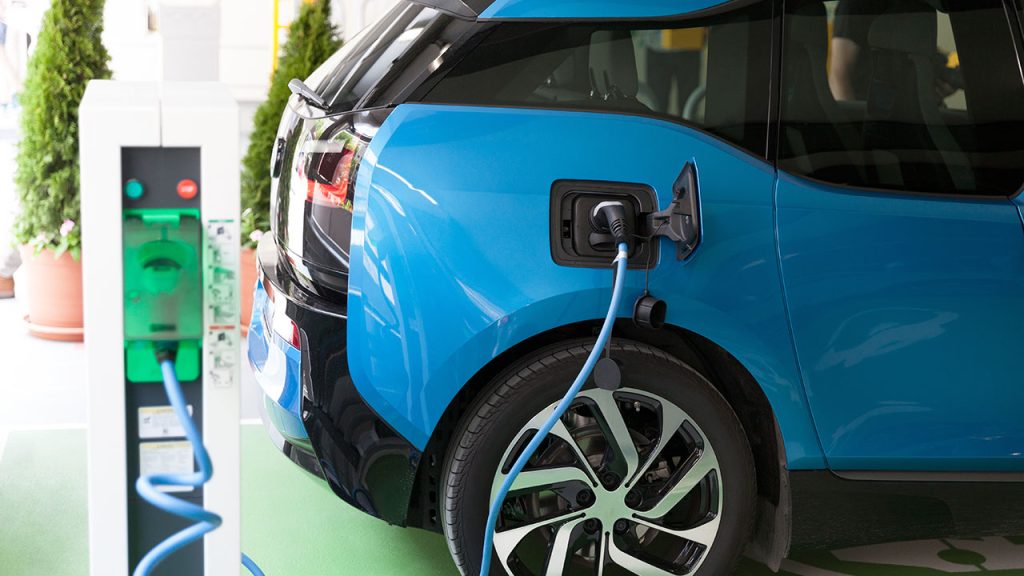
Worries around battery cost and lifespan have also started to ease. CATL, the world’s biggest battery manufacturer, says some of its batteries may last as long as two million kilometres. In Queensland, one driver saw that durability firsthand when the battery in his 2013 BMW i3 lost only 4 per cent of its capacity after covering 134,000km over 13 years.
The momentum in EV sales appears set to continue. Australians bought 54,000 EVs in the first seven months of 2025. In the same period of 2026, that number jumped to 127,000, marking a 134 per cent increase.
Crawford expects fresh demand as electric cars priced under $30,000 enter the Australian market and at least 12 more Chinese brands are tipped to arrive over the next two years.
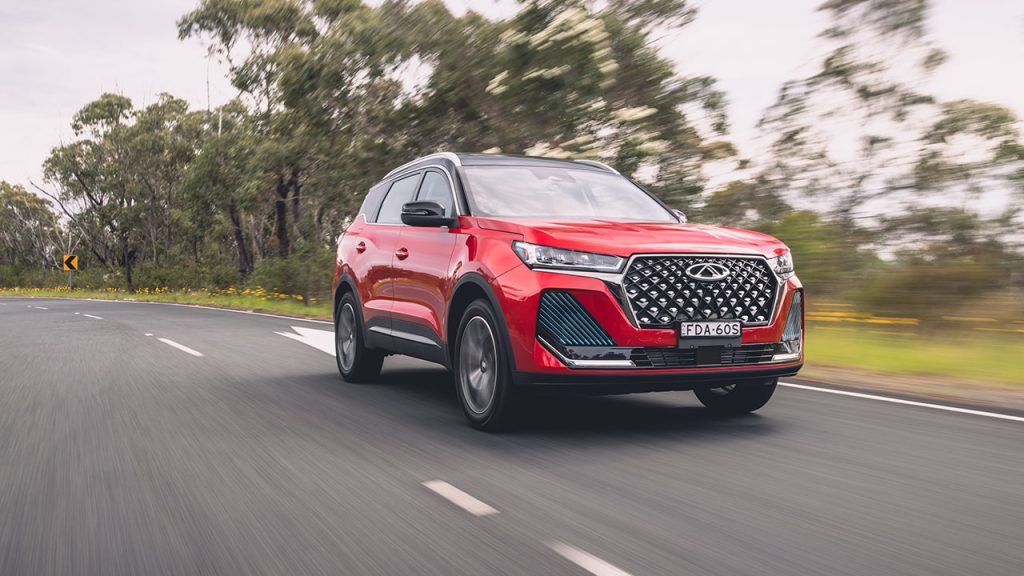
For drivers still uneasy about range, plug-in “super hybrids” are shaping up as a compromise option. Some Chery and Jaecoo models are said to be able to travel more than 1000km using both battery and petrol power, with prices below $60,000. “You can commute all week to work on EV power only and use zero fuel. When you want to go away or weekend away, you’re driving 400 kays, super hybrid kicks in, and you’re using almost no fuel anyway,” Crawford said.
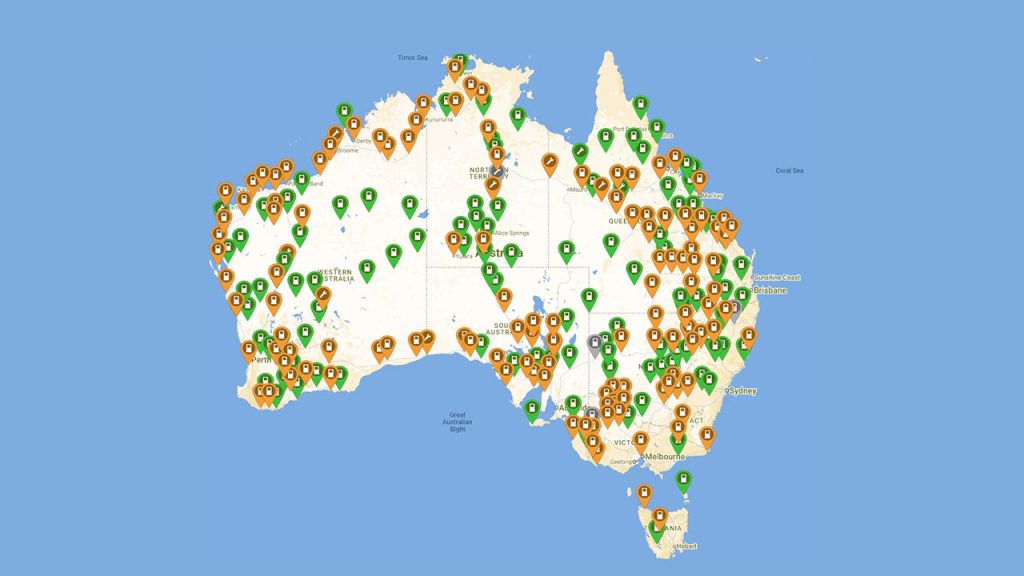
Australia still lags behind countries such as China when it comes to charging infrastructure, but the network is growing. In the Southern Highlands near Sydney, six 400kW chargers are now in place, with the capacity to provide a full charge in as little as five minutes.