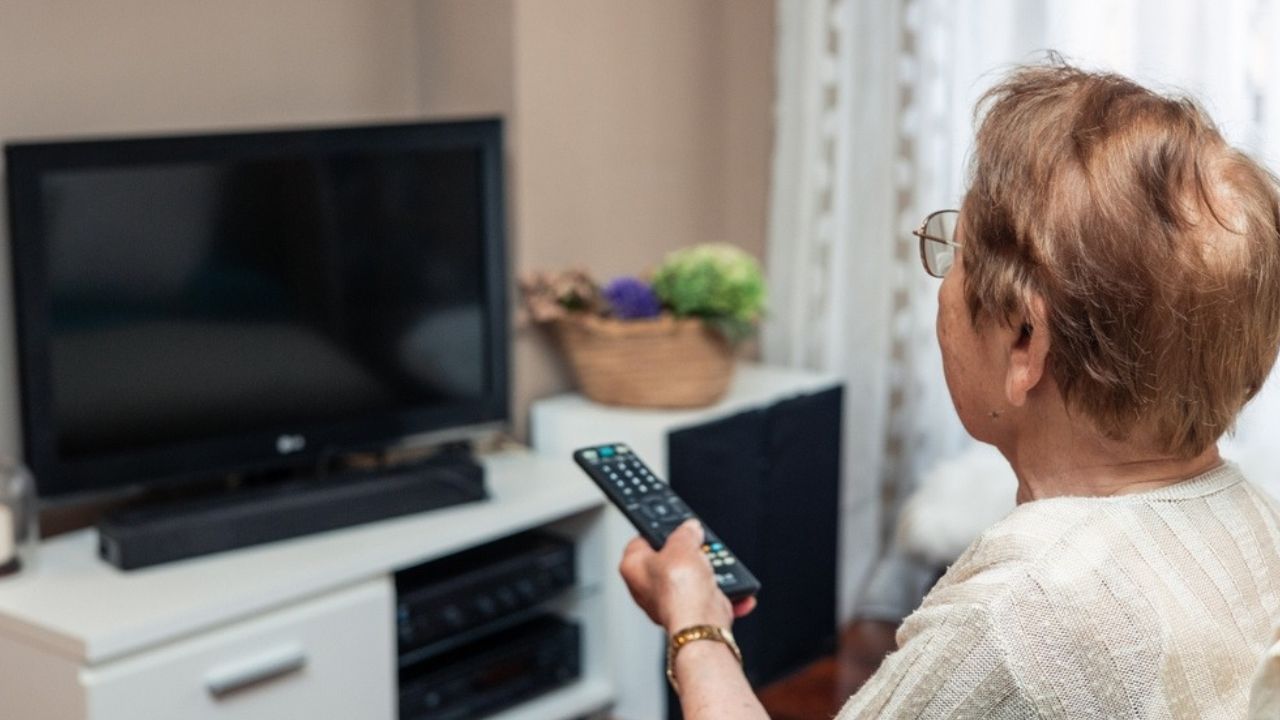
Aged care residents could face extra bills for everyday essentials, including televisions, phone access and wi-fi, under new government reforms allowing providers to charge for additional services.
The Higher Everyday Living Fees (HELF) scheme was introduced last year as part of the federal government’s aged care reforms, replacing previous additional and extra service arrangements.
While providers can offer paid extras such as activities, entertainment and upgraded meal options, concerns have been raised that charges for basic services could leave residents who cannot afford them at a disadvantage.
At Uniting’s The Marion nursing home in Sydney’s inner west, families were told they could be charged $8.80 a day, or about $3,200 a year, for a free-to-air television in their room.
Only residents who have had a TV in their room before November 1, 2025 have a right to free TV, but for residents who move in after that date, providers are only required to supply them in communal areas.
New residents may also face charges for phone access, wi-fi, soft drinks and having mail delivered to their rooms.
For Patricia Massa, 88, who has advanced dementia and has lived at the facility for nine years, she will fortunately still be able to keep her TV, but newer residents might not be so lucky.
“A prisoner gets a television in their cell,” said Patricia’s daughter, Elizabeth Tosti.
“Surely to goodness, an aged care resident suffering from dementia has a right to free-to-air television in their room.”
In March, Aged Care Minister Sam Rae criticised providers for charging high fees for televisions during trials of the scheme, describing access to a TV as a “basic human right”.
Under Uniting’s proposed “Elevate Plus” package, residents could also pay $132 for an extra fortnightly activity, $66 for a monthly one-hour session with a carer to “talk about whatever’s on your mind”, or $220 for a music concert.
The provider’s brochure promoted a bundle of services for “just $44 a day”.
Tosti said the fees risked creating a two-tiered system in which residents who could not afford extras missed out.
“People who have got the money, the capacity to pay these hefty fees, can enter the communal room and listen to someone playing music and the poor residents who can’t will have to walk past or be shooed away and told, you can’t come in here because you’re not paying the package,” she said.
Uniting said it was reviewing its “Elevate Plus” package and will make changes “as we work towards a model that is fair, affordable and sustainable”.
It said residents could choose which services they wanted to pay for, adding that “televisions in residents’ rooms are considered an additional service under the government’s funding system”.
It is not yet known how many of Australia’s 700 residential aged care providers will charge HELF fees.
Opal, the country’s largest provider, is rolling out the scheme across its 148 facilities.
During an earlier trial, Opal offered a bundled package at one Sydney facility for $55 a day, or more than $20,000 a year.
At its Carine Parkside facility in Perth, residents were charged $12.50 a day for a hot breakfast, while soft drinks or juice cost an additional $7 a day. Wine or beer with meals cost $15 a day.
Opal previously refunded $190,000 to residents who had been charged for services they were already receiving free of charge during its trial.
Craig Gear, from the Older Persons Advocacy Network, said the government should ensure basic services such as television, phone access and wi-fi were free for all aged care residents.
He said the network had received reports of providers charging for everyday items and services.
“Older people have been coming to advocates about things like margarine being the option on the menu but if you want butter, you’re going to have to pay an extra $1.70 per day.
“If you want your meal in your room, you’re having to pay $4.50 for that delivery.”
Image: Shutterstock