The Australian Tax Office’s decision to ban credit card payments has been delayed beyond December 1, following backlash from critics and small businesses.
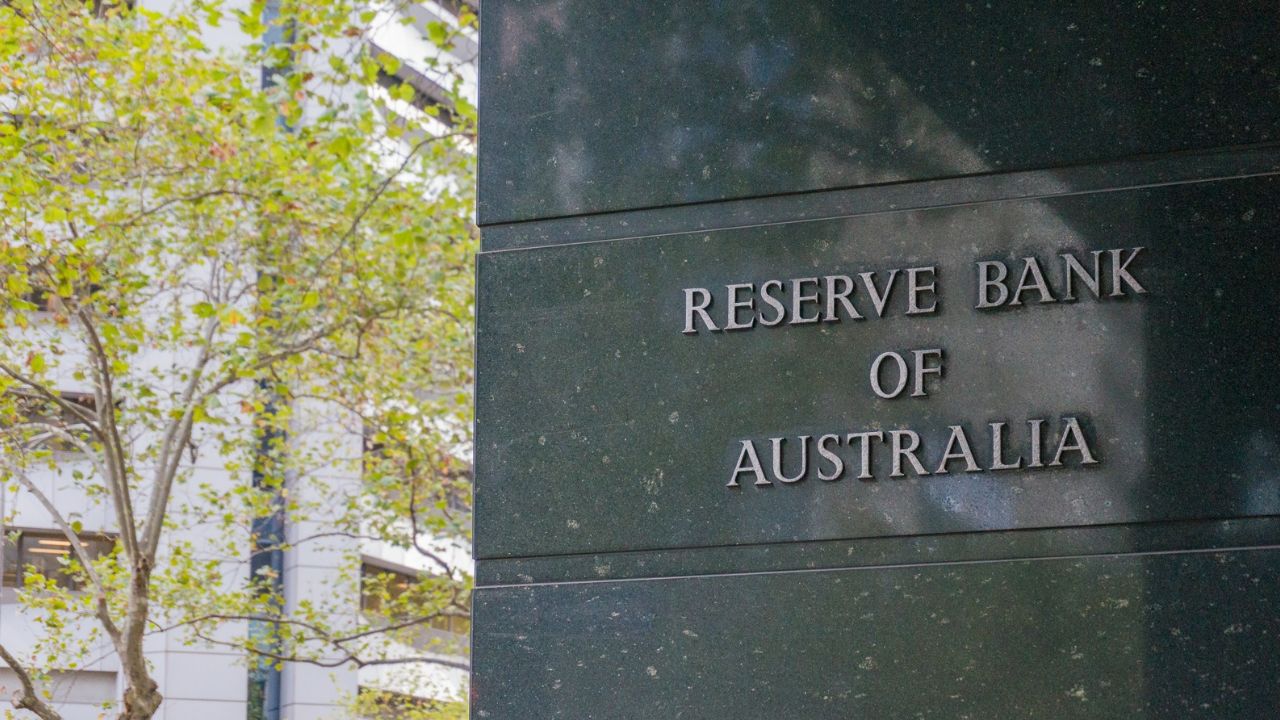
The ATO previously announced it would stop accepting credit cards as a payment method, in line with the Reserve Bank of Australia’s ban on card surcharges at the beginning of October.
Small businesses and critics alike united to lash out at the changes, arguing they weren’t made with proper consultation and would impact business owners.
On Friday, Treasurer Jim Chalmers will announce the ATO will delay the ban for 12 months to allow small businesses to transition, with the federal government set to provide some funding to push back the implementation.
The delay comes after ATO officials met business and accounting representatives on Wednesday and Thursday, and increasing pressure to consult business leaders to manage a transition process.
They found about 5 per cent of small businesses (roughly 135,000 of the 2.7 million small businesses in Australia) and 2 per cent of individuals made their tax payments on credit cards in the last financial year.
Australian Chamber of Commerce and Industry Andrew McKellar said many businesses would have suffered under the changes.
“What we’re seeing is a situation which is very damaging for small business. Small business needs this facility in place,” he told reporters on Thursday.
“They’ve got to manage cash flow. What they are looking for is for one clear, consistent approach and solution from government.”
Small Business Minister Anne Aly and Housing Minister Clare O’Neil also expressed their concern on Thursday.
“I’ve spoken to small businesses, and they were rightly shocked by this decision. I do think they should have been consulted,” Aly said.
“Cash flow is the biggest thing that’s often of concern for small business and using credit cards to pay tax bills is a way that a lot of people are just managing that issue,” O’Neil said.
While Assistant Digital Economy Minister Andrew Charlton defended the ban, he said that there should be flexibility on payments for business owners.
Shadow treasurer Tim Wilson criticised the federal government for its “double standard and hypocrisy”.
“The Albanese government’s war on small business is only accelerating with this decision. It started with a budget that hit small and family businesses with higher capital gains tax on early-stage startups and minimum taxes on trusts,” he said on Friday.
Image: Shutterstock