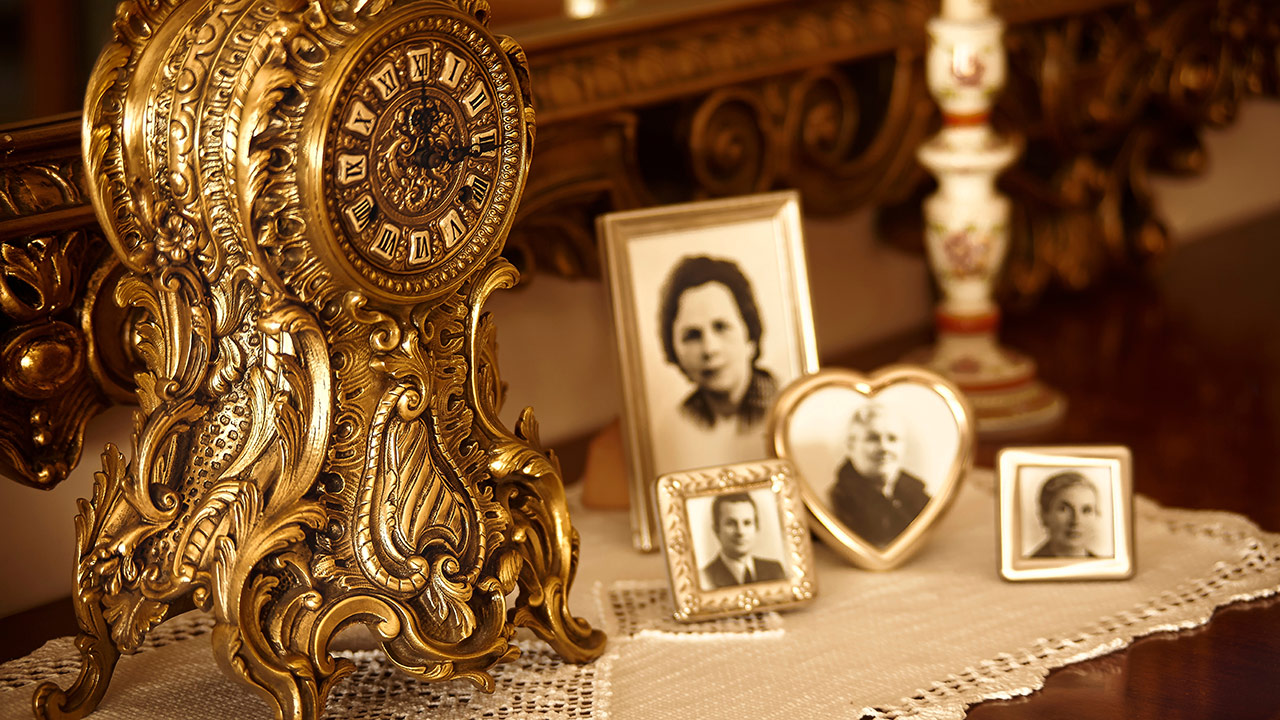
The wedding china, the good tablecloths, the sideboard handed down through two generations – chances are your children do not want any of it.
A recent British investigation into what is being called the “great wealth transfer” has confirmed what many Australian parents have quietly suspected for a while: the things one generation carefully collected, protected and expected to hand down are not necessarily the things the next generation wants to keep.
And anyone who has tried to pass on a crystal decanter or a hulking timber dining setting to a grown-up child lately will recognise the sting of it straight away.
Britain is beginning to experience an enormous transfer of wealth from its baby boomer generation, estimated at somewhere between £5.5 trillion and £7 trillion. Most of that wealth is tied up in property, shares and cash, but there is also an extraordinary quantity of art, furniture, antiques and collectibles waiting to change hands.
Philip Hoffman, chief executive of Fine Art Group, told The Times he estimates Britain alone could have £100 billion to £200 billion worth of decorative and fine art waiting to be passed to the next generation.
The trouble is, many of the intended recipients have little idea what to do with it.
Auctioneers say the market is being flooded as older people downsize, family homes are cleared and estates are settled, often bringing similar possessions onto the market at exactly the same time.
“A lot of the things baby boomers collected and treasured aren’t really worth a huge amount at the moment and [they are] flooding the market at the same time,” Werner Freundel, a director of British auction house Chorley’s, told The Times.
It is particularly bad news for what the antiques trade sometimes calls “brown furniture” – the substantial timber dining tables, cabinets, sideboards and other pieces that once represented quality, permanence and, quite often, a considerable financial investment.
John Black, a director at British auction house Sworders, said younger generations often simply do not have room for large oak furniture and have little interest in items such as silver card cases.
Worse still for their parents, receipts showing what something originally cost can bear little resemblance to what it will fetch today.
Hoffman knows the feeling personally. He said pieces of English and continental furniture worth about £5,000 each two decades ago had recently fetched him just £300 to £500.
That is a sobering return on something bought not just as furniture, but perhaps with the expectation that quality antiques would always hold their value.
The same fate has befallen plenty of once-fashionable art. Victorian watercolours and traditional maps that adorned generations of British hallways have fallen from favour, while some Old Masters and lesser Impressionist works can be worth a fraction of their former prices.
In some cases, Freundel said, unwanted possessions simply end up in charity shops.
Of course, not everything in Mum and Dad’s house is destined for the bargain table.
Works by the biggest names in art can still command extraordinary prices. Hoffman said an Andy Warhol bought for £1,000 four decades ago might now be worth anywhere from £100,000 to £1 million. Works by names such as Picasso, Rothko and Basquiat remain highly desirable.
Certain jewellery is holding up well too, particularly coloured diamonds, rubies and sapphires, while designer fashion and accessories such as Chanel clothing and Birkin handbags can remain highly sought after.
And before anyone takes an axe to Grandma’s antique cabinet, genuinely exceptional furniture can still be valuable. A Chippendale is a very different proposition from the mass of more ordinary dark timber furniture currently looking for homes.
But for most families, value was never really the point.
That sideboard may be special because it sat in your parents’ dining room every Christmas. The crystal glasses may matter because they came out for anniversaries. The dinner set may have been chosen piece by piece when you were first married and used for every important family gathering since.
To an auctioneer, they are objects with a market price. To their owner, they can represent half a lifetime.
And that is perhaps why discovering your children do not want them can hurt more than expected.
It is easy to hear “I don’t want the dining setting” as “I don’t value the memories attached to it”. They are not the same thing.
Younger generations are furnishing very different lives. Many live in smaller homes, move more frequently or simply prefer fewer possessions. A 10-seat dining table that made perfect sense in a large family home may be an impossible inheritance in an apartment.
Taste changes as well. Freundel noted that where previous generations might have decorated their walls with traditional paintings or maps, younger people may choose film posters, family photographs or inexpensive contemporary prints instead.
There is another lesson in all this, and perhaps a more useful one than wondering whether the good china will ever become fashionable again.
If something matters because of its story, tell the story now.
Tell your children where the vase came from. Explain why their grandmother’s cabinet survived three house moves. Write the names on the back of the old photographs. Tell them why you saved for six months for that painting hanging above the fireplace.
They still may not want the sideboard.
But they might remember why you did.
Because in the end, the inheritance worth protecting may not be every object packed into the family home. It may be the stories that explain why those objects mattered in the first place.
Image: Shutterstock