The federal government is set to reverse the controversial charges that led to some older Australians paying $50 an hour for basic at-home aged care services like showering, dressing and continence care.
The overhaul comes six months after the changes took effect in November, following sustained criticism from advocates and older Australians calling the scheme an “obscenity”.
“Showering, dressing, continence care — these aren’t optional extras. They’re the basics of aging with dignity, and no older Australian should miss out because of cost,” Aged Care Minister Sam Rae said.
“Older Australians, their families and providers told us these services needed to be protected. We’ve listened, and we’re acting.”
Under the controversial scheme, pensioners, part-pensioners and self-funded retirees paid between 5 and 50 per cent of service fees for support services such as showering, with some costs reaching about $50 an hour.
The costs meant some Support at home recipients were forced to shower less or give up other care to pay for it.
The overhaul will take effect from October, but co-payments for non-clinical care will continue.
“We’ve gone through a careful policy consideration process. Of course, this system has only been in place since November,” the Aged Care Minister said.
“Now is the time to start making the adjustments that get better outcomes for older people.”
The official announcement of the reversal will be made by Health Minister Mark Butler at the National Press Club in Canberra on Wednesday.
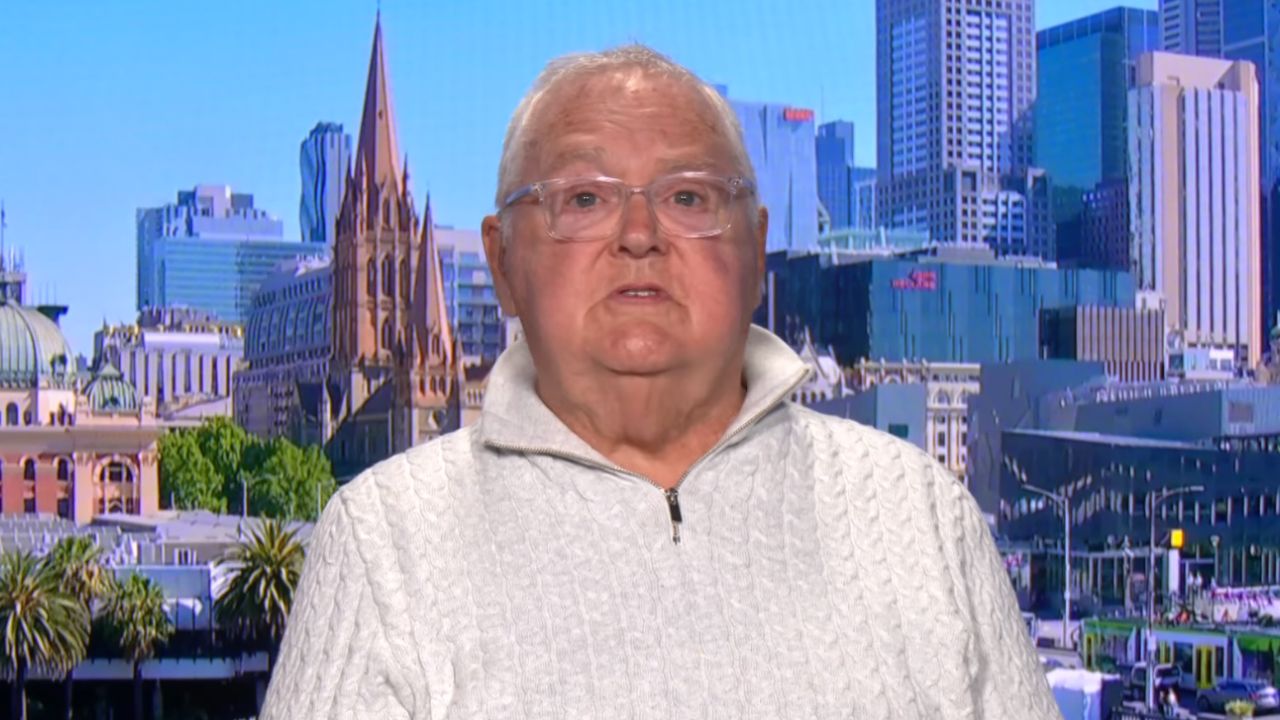
Many have welcomed the change, with Chief executive of Ageing Australia, Tom Symondson saying that the move was “common sense” and a “human rights” decision.
“Basic care like showering and continence should never have been treated like optional extras,” Council on the Ageing (COTA) acting chief executive Corey Irlam added.
“This is about dignity — no-one should have to choose between affordability and basic personal care.
The government also revealed that fully covering the extra care will cost them $1 billion over the next four years.
Image: Shutterstock