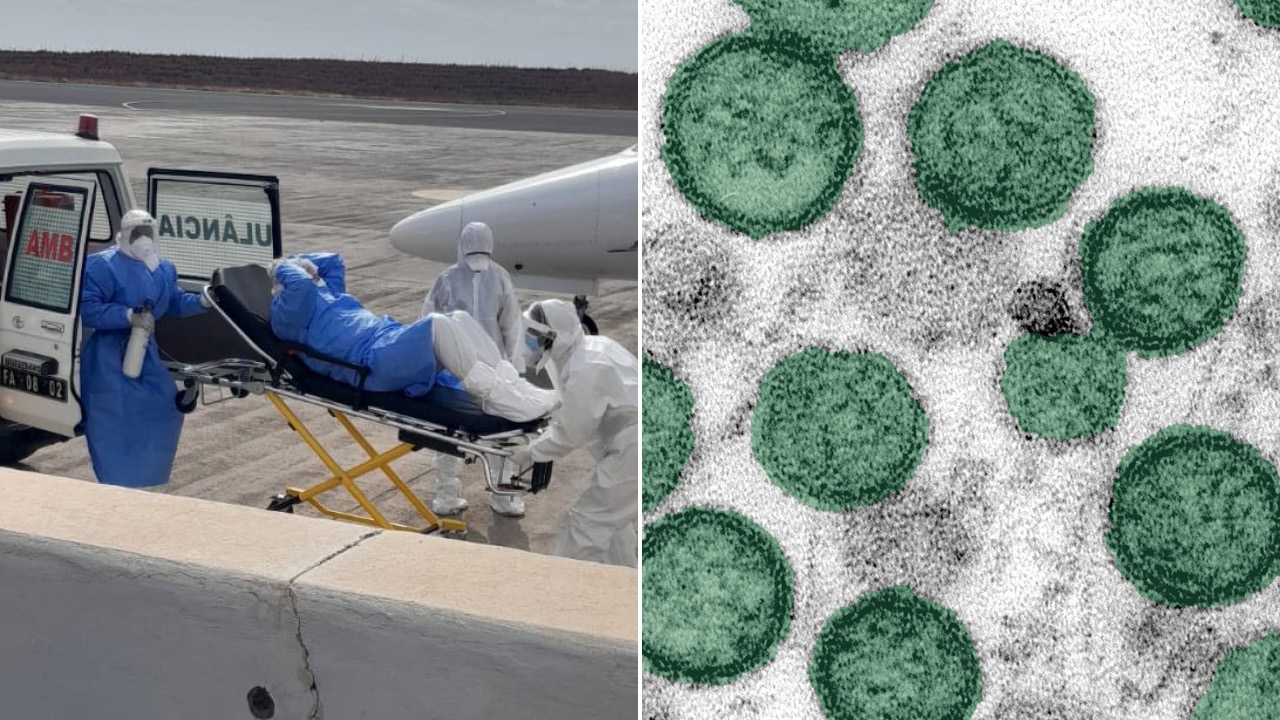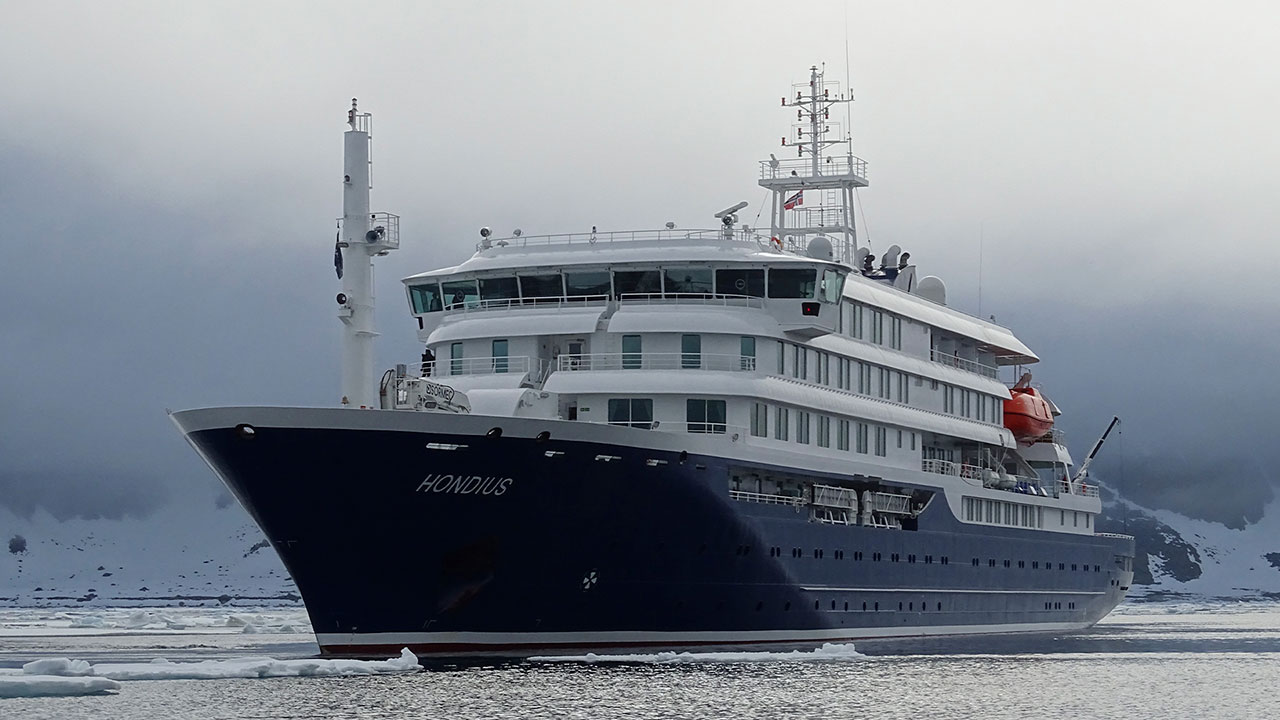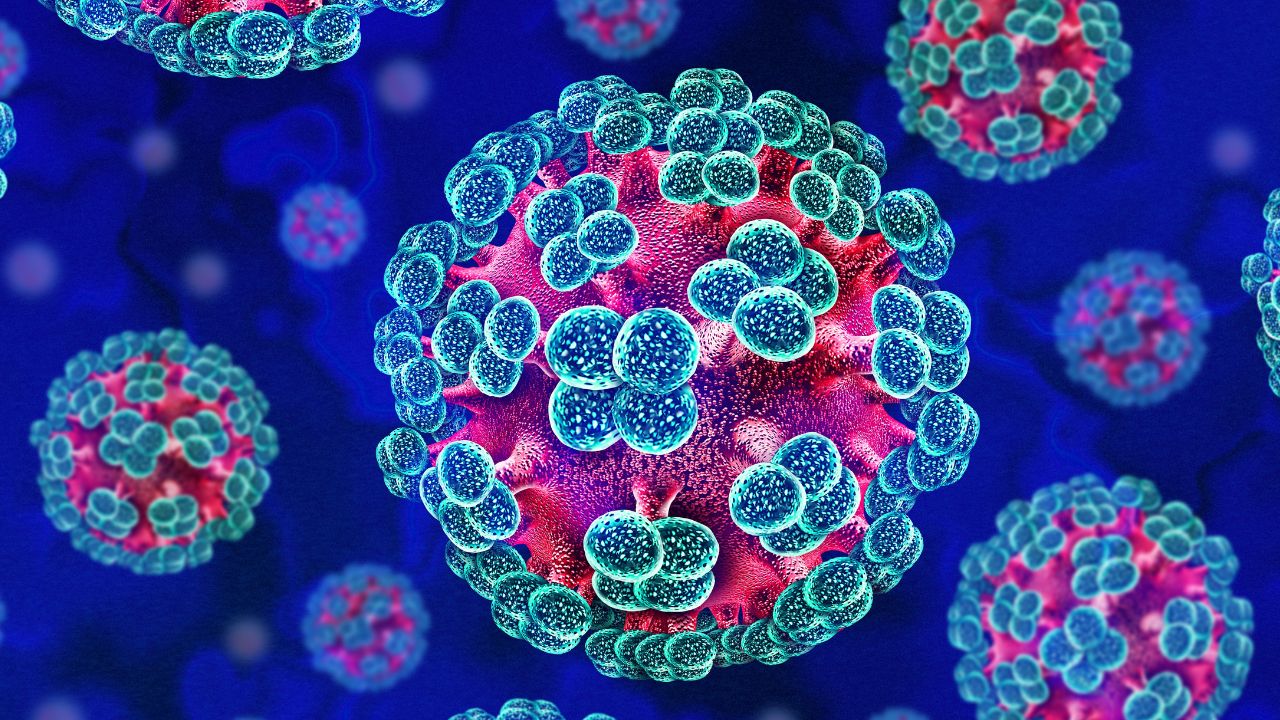
Health authorities are closely monitoring a cluster of hantavirus cases linked to the MV Hondius cruise ship, amid concerns the virus may be spreading more easily than first thought.
Experts stress there is currently no evidence of a wider outbreak, but testing is underway after an Italian man who travelled with an infected passenger was placed in quarantine.
The virus, which is usually spread through contact with rodents, has already been linked to several infections and three deaths connected to the cruise ship.
World Health Organization chief Tedros Adhanom Ghebreyesus said there was “no sign that we are seeing the start of a larger outbreak”.
“But of course the situation could change,” he added during a joint press conference in Madrid with Spanish Prime Minister Pedro Sanchez.
The latest concern centres on a 25-year-old Italian man from Calabria who is being tested after flying from Johannesburg to Amsterdam on April 25 alongside Dutch passenger Miriam Schilperoord.
Schilperoord, 69, later died after becoming seriously ill on the flight. Her husband, Leo Schilperoord, 70, had died from the virus 15 days earlier and is considered the suspected “patient zero” in the cluster.
Authorities are investigating whether the Italian passenger may represent a possible third generation case, meaning he may have contracted the virus from another infected passenger rather than directly from the original source.
If confirmed, experts fear it could suggest the virus is more contagious through close human contact than previously understood.
Another person in Brittany, France, has also been referred for checks after possible exposure to an infected cruise passenger.
“For now, this remains only a contact case, a person who has been in contact with someone carrying the virus,” Quentin Le Gaillard, mayor of the Breton port city, said.
“So there is no need to panic, we are only talking about a single case which has been contained”.
In the Netherlands, 12 healthcare workers in Nijmegen have been quarantined for six weeks after protocols were not properly followed while handling blood and urine samples from a hantavirus patient.
US physician-scientist Dr Steven Quay said health officials would be watching closely for any further infections over the coming weeks.
“We now have 10 hantavirus cases, one apparent patient zero and nine human-to-human generation two cases,” he told the UK’s Daily Telegraph.
“May 19 is a good date to watch for … If cases continue beyond that point they will probably be generation two to generation three cases.”
Hantavirus symptoms can include fever, fatigue, muscle aches, stomach pain, vomiting, diarrhoea and shortness of breath.
Health experts have stressed the disease is not easily spread like COVID-19 and generally requires close contact or exposure to bodily fluids.
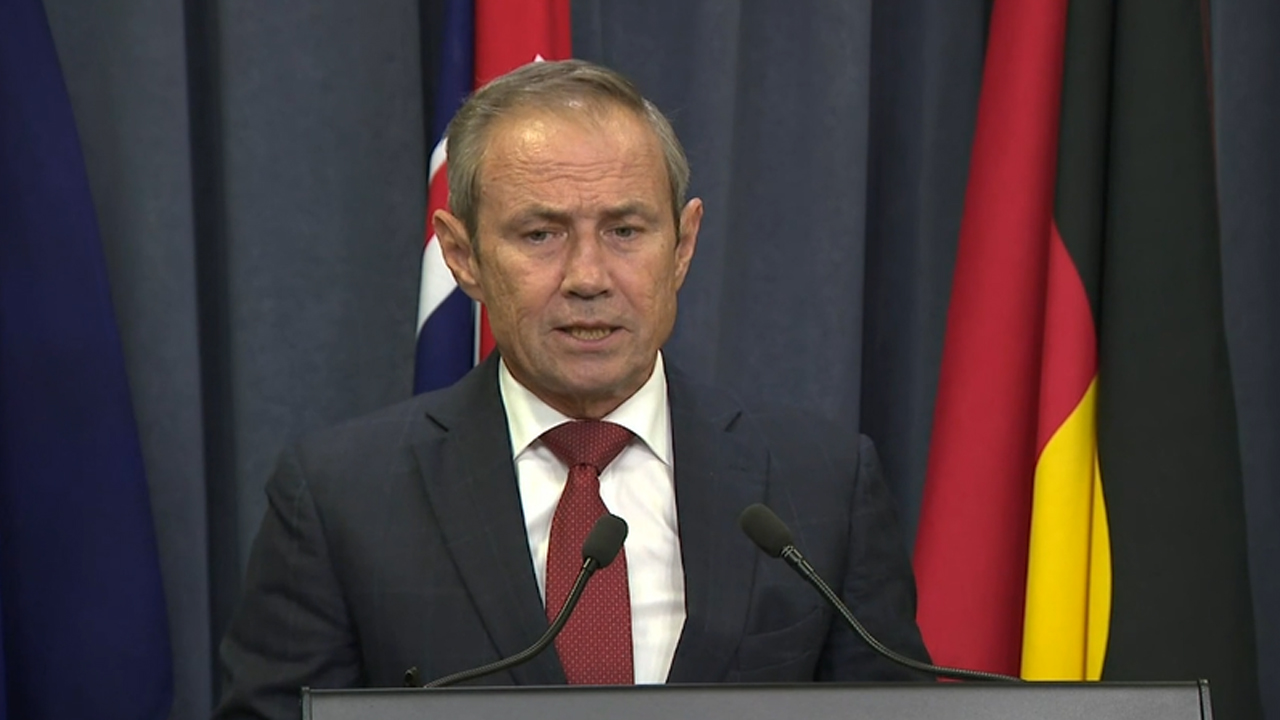
Australia is also preparing for the return of four Australians and two New Zealanders evacuated from the MV Hondius.
Health Minister Mark Butler said those returning would face the “strongest quarantine arrangement anywhere in the world”.
The group travelled from Spain to the Netherlands and are expected to return to Western Australia, where they will quarantine for three weeks.
Image: Shutterstock