Australians with old pre-decimal coins tucked away in drawers or tins could be sitting on a surprisingly valuable find, with some rare pieces expected to draw bids as high as $50,000 at a major live auction in Sydney.
Noble Numismatics is running its next sale from April 13 to April 17, with collectors forecast to spend thousands of dollars on scarce Australian coins, including examples dating back to the 1860s. Pre-decimal coins were issued between 1910 and 1964 and included familiar denominations such as the penny, threepence, sixpence, shilling and florin, but today they are hunted worldwide for their history, silver content and design.
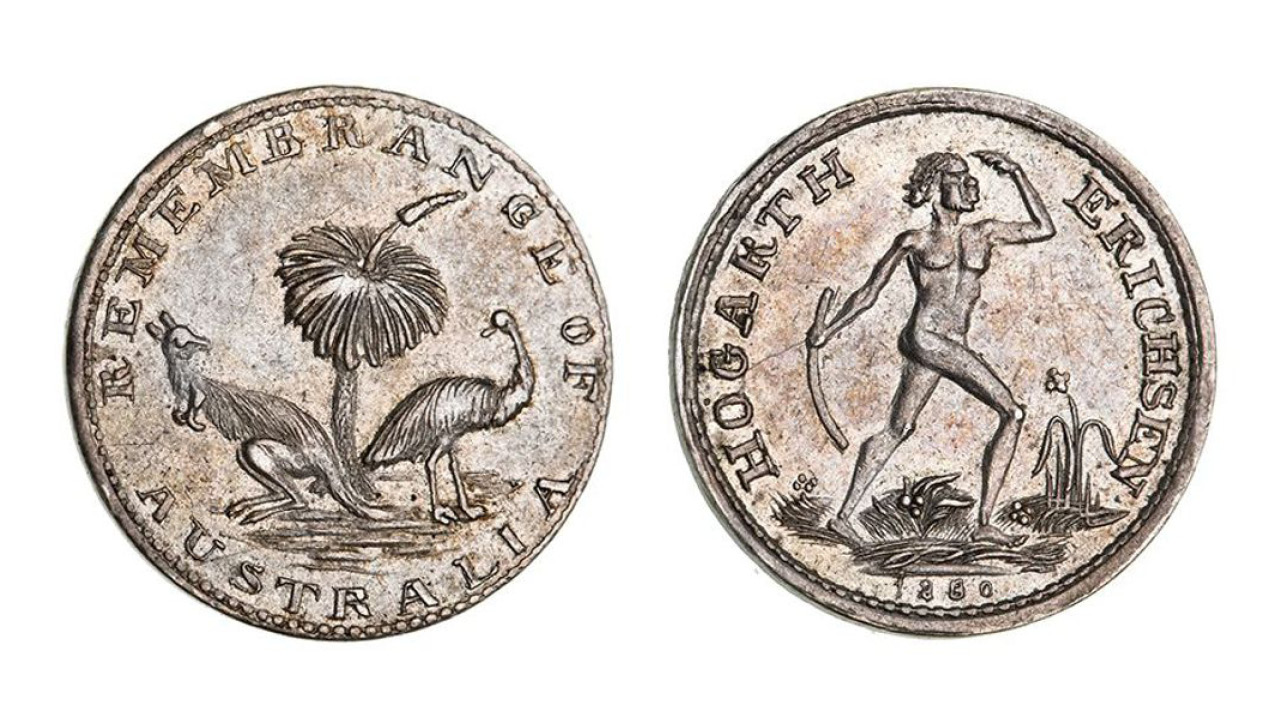
The top lot at the sale is expected to be an 1860 silver threepence featuring an Indigenous man holding a boomerang, with bidding tipped to climb to about $50,000. Other notable pieces in the auction include a 1910 two-shilling coin (florin) valued at $1,500, a 1932 florin that could sell for $2,500, and a 1924 shilling valued at $1,500.
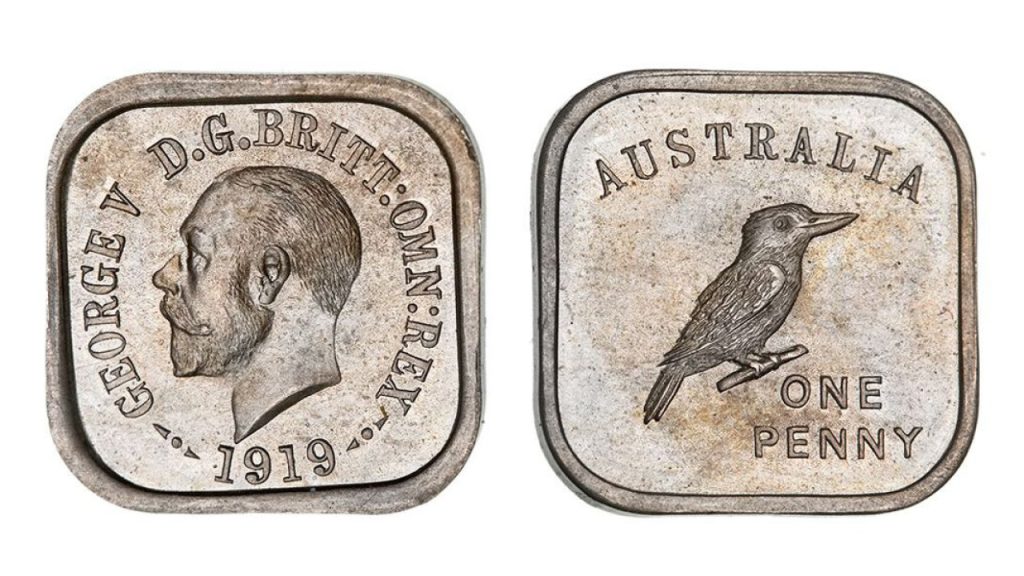
Errors can push prices even higher. One threepence in the auction with an overdate marked “1922/21” is expected to sell for around $35,000, and two rare 1930 pennies are also being offered, with estimates of more than $15,000 each.
The auction will be held at 175 Macquarie Street in Sydney, opposite the State Library of NSW, and interest is expected well beyond Australia. Managing director James (Jim) Noble said “bidding will come in from all corners of the earth”, naming “China, India, the US and Europe” among the countries where buyers are based. “We have about several thousand people applying to bid, and we get about a thousand successful visitors at each sale,” Noble said.
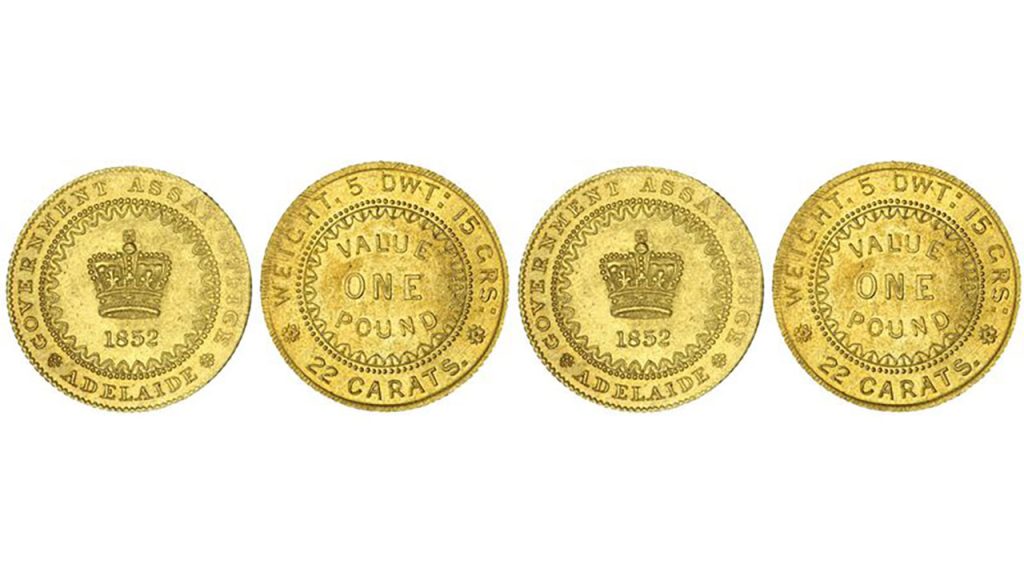
Noble also pointed to growing demand for pre-decimal coins, tracking alongside stronger precious metal prices. Before Australia changed to decimal currency in 1966, coins were made from bronze or sterling silver, although after 1946 the silver content was reduced to 50 per cent. Noble said “the rise in the precious metal prices draw a lot of attention” and that condition matters heavily, with better-preserved coins attracting much higher prices.
He also warned that many people misunderstand what makes a coin valuable today. Noble said “there’s a lot of people with misconceptions about the value of circulating decimal coins”. While a modern coin might look unusual or have a “different design”, he said it often does not have the “high intrinsic value like metal” found in older currency.
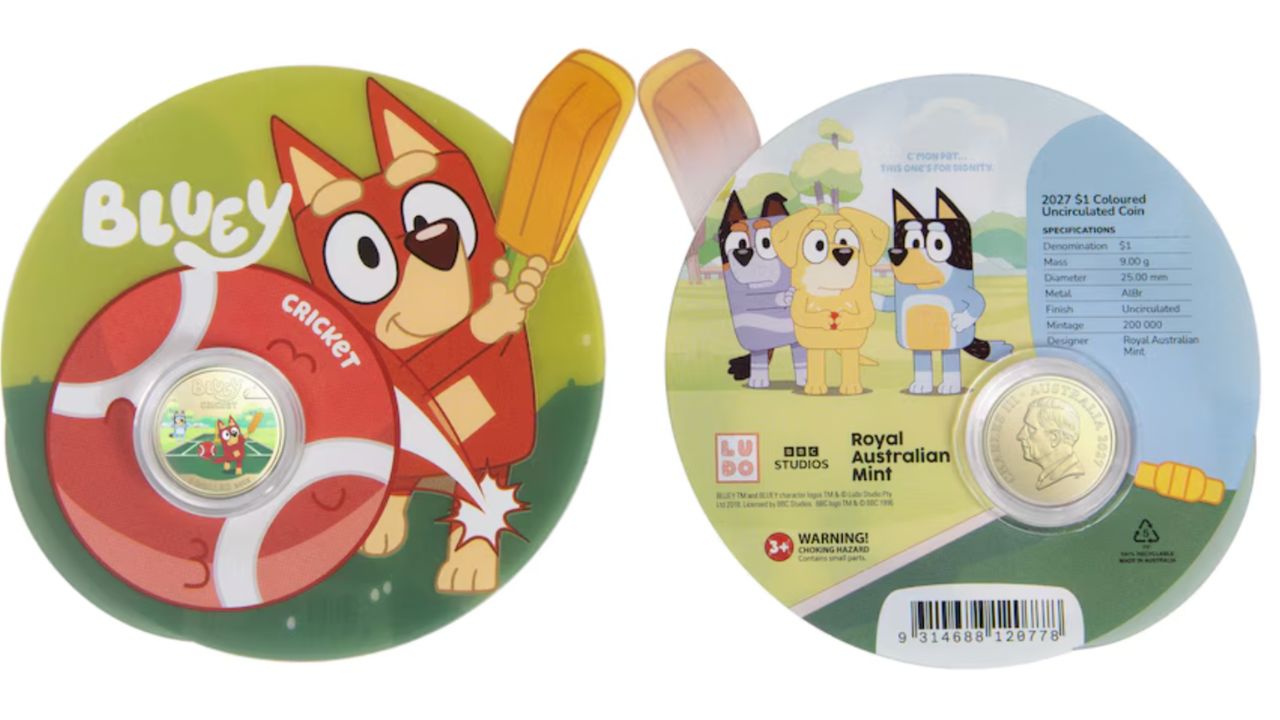
Even so, there are exceptions among decimal coins. Noble noted the red Poppy $2 coin “sells for premium sales for a couple hundred dollars when it’s in its container”. He also said that finding the first 1966 50-cent coin, or even an original bank paper roll from that year, could mean swapping them for up to $30 per coin.
For anyone checking old collections or inherited coin jars, some of the higher-value pre-decimal coins often worth watching for include the 1930 penny, the 1956 florin (two shillings), the 1956 shilling, the 1953 and 1956 sixpences, and the 1954 threepence.