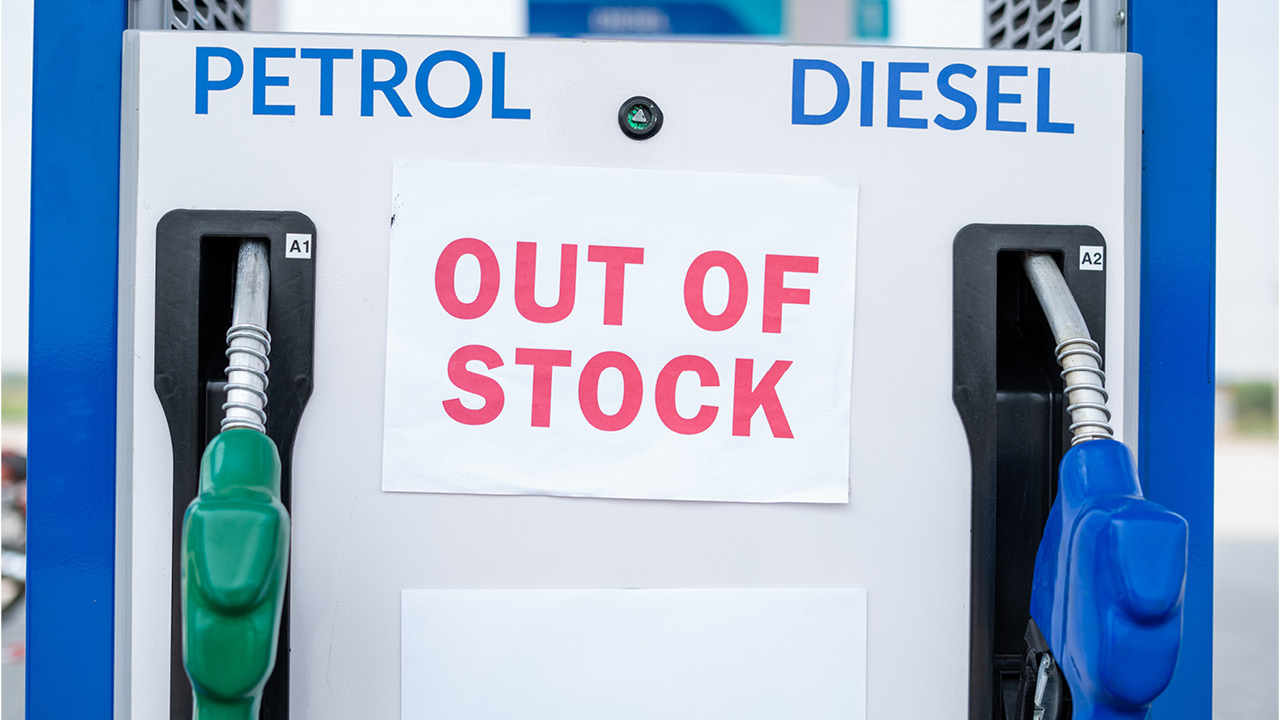
As the Middle East conflict drifts into uncharted territory, anxiety about fuel is growing and prices are climbing worldwide. In parts of Australia, petrol and diesel are nearing $3 a litre, and some outlets in cities and regional towns have reportedly run out altogether. While the federal government maintains there is no broader supply problem, attention has turned to how much fuel is actually available if disruptions continue.
Pinning down an exact national figure is difficult, but Energy Minister Chris Bowen recently offered an update on current stock levels. “Supply of petrol has gone up a little bit, [we have] 38 days worth of supply,” he said on ABC’s Insiders. “Diesel and jet fuel [are] both at 30 days, which is pretty flat and that indicates that while we’ve released more from the strategic reserve, the ships continue to arrive in good numbers.” Bowen said the numbers had been updated the day before, and added that Australia’s refineries were operating at full capacity and focused on meeting domestic needs rather than exporting.
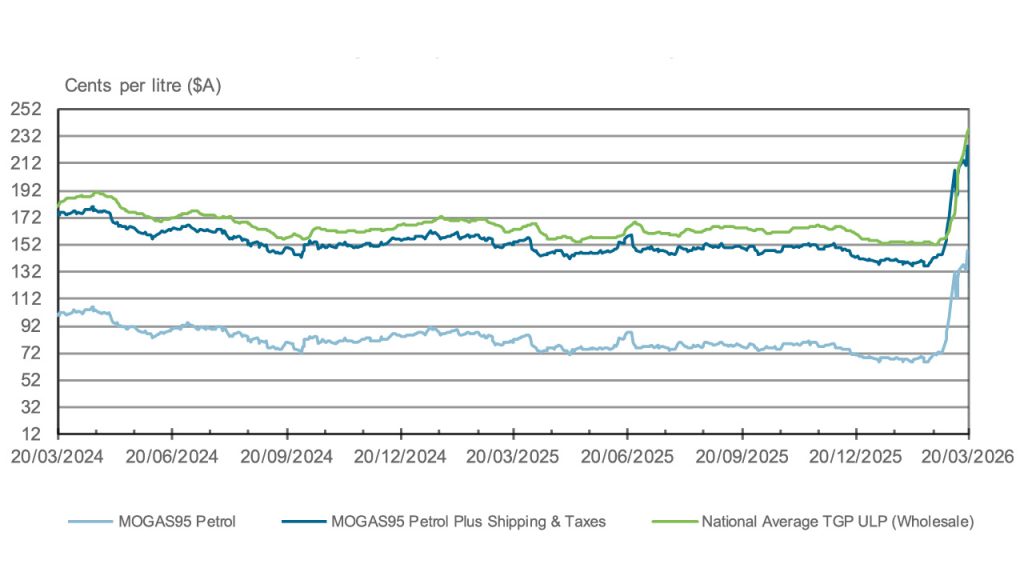
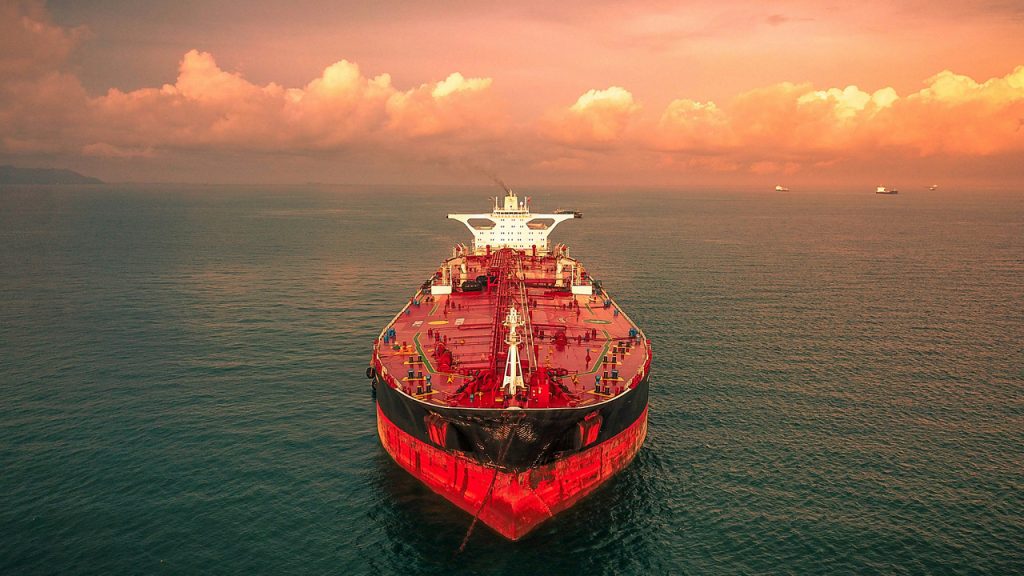
Australia relies heavily on imported oil, with only about 10 per cent sourced locally. Most of that imported supply does not come directly from the Middle East, instead arriving via Asian refineries and trading hubs. South Korea and Singapore are among Australia’s biggest suppliers, with Malaysia, India, Taiwan and China also significant sources. But many of those countries depend on crude from the Persian Gulf, including Saudi Arabia, Iraq, the UAE, Qatar and Oman. With the conflict affecting the region and shipping routes under pressure, including reported disruption around the Strait of Hormuz, flow-on impacts can still reach Australian bowser prices even if the fuel is not shipped here directly from the Middle East.
Talk of fuel rationing has been circulating, although governments are currently insisting it is not required. Some experts argue that acting early could prevent panic buying and reduce strain on supplies. “It is better to act sooner rather than later given our limited reserves and the spectre of early fuel price buying, queuing and hoarding,” former ACCC chair Allan Fels said. “There’s already discussion of some relatively soft steps which could include rationing of access to petrol based on odd/even number plates; driving every second day; working from home and speed limits. “One problem with soft approaches (often proclaimed by governments with much fanfare) is that rather than reducing demand, they induce a rush to the bowsers by a public troubled by the adoption of rationing.”
Even if rationing is being downplayed for now, a prolonged conflict could change the equation. “Obviously, this is a function of how long this conflict continues, and that’s not something that I can answer in terms of what’s going to happen,” Deputy Prime Minister Richard Marles said last week.
Australia last rationed fuel in 1979, during a period when refinery strikes at home collided with international supply disruption linked to the Iranian Revolution. Before that, wide-scale rationing was most prominent during World War II.
As for when prices might fall, it largely comes down to the global oil price easing and trade conditions stabilising. Ongoing disruption to shipping and supply can keep oil elevated for longer, as seen in the early stages of Russia’s invasion of Ukraine. Demand spikes at the pump can also worsen matters, particularly when motorists rush to fill up. Governments have urged Australians not to hoard or panic buy, warning that it can intensify supply pressures and push prices higher.