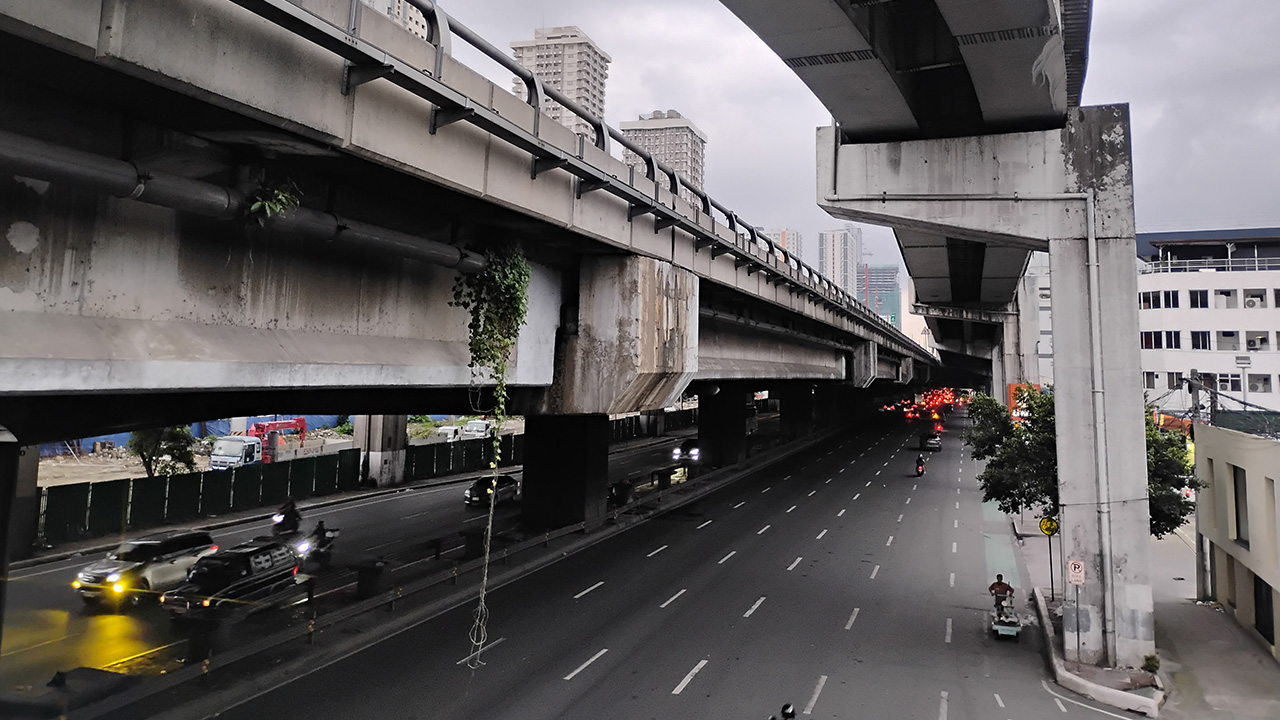
Beneath one of Manila’s busiest highways, a hidden community of around 300 people – about 100 families – lives in makeshift homes in a hot, dark tunnel under San Andreas Bukid. It’s an existence shaped by overcrowding, flooding and scarcity, yet many residents say they’re content with the life they’ve built there.
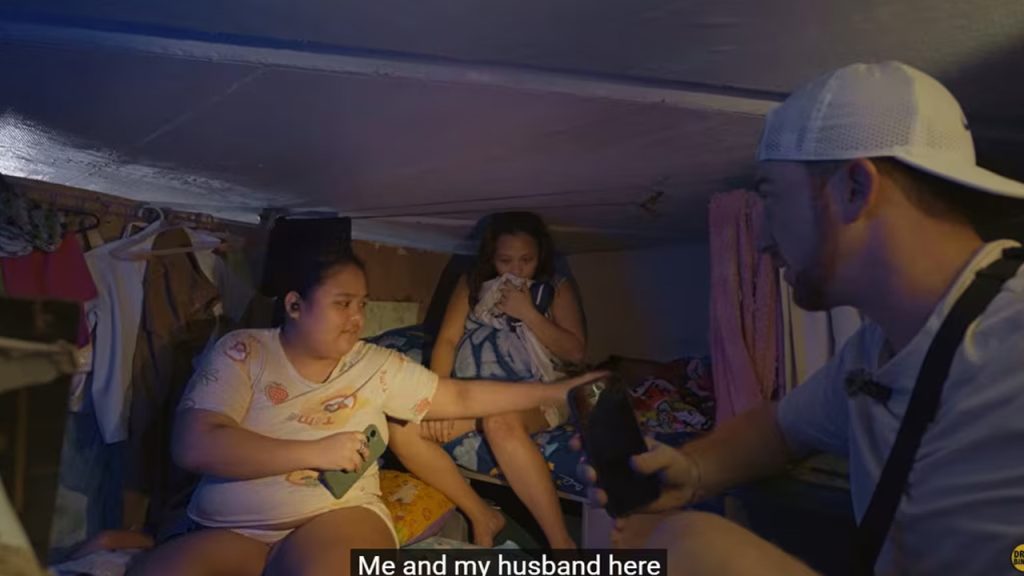
Travel blogger and YouTuber Drew ‘Binsky’ Goldberg, known for documenting “dark tourism”, recently spent time inside the tunnel in a 30-minute mini-documentary shared with his 6 million subscribers. Manila’s population has surged to more than 13 million, and for families living in poverty, the search for somewhere – anywhere – affordable can mean moving into spaces never designed for housing.
Drew says he’d travelled that road for years without realising what lay underneath it. “You know what’s crazy. I’ve been coming to Manila for the last 12 years and I’ve been on this highway so many times. You never realise that there’s a community living below it,” he says. “When you’re driving on it, you have no idea there’s people living [under it].”
He was guided through the tunnel by Edwin, a former resident who lived there as a teenager. Asked why people move into the underground spaces, Edwin points to cost. “So sometimes you live here temporarily and then when you find a job and earn something much better, you try and move out,” he explains. “But because you live here already, you take advantage of where you live.”

Inside, Drew finds families crammed into tiny rooms where people can’t stand upright, surrounded by clothes, bedding and basic belongings, sometimes with up to eight people sharing one small space. The sheer density shocks him. “And everywhere you look there’s just another family that’s living here. It’s one of the most absurd living situations I’ve ever seen in my life.”
He’s also surprised to see electricity in some areas, including one family with a washing machine connected to a power strip. “That’s incredible, they have power,” he says. “At the end of the tunnel, there’s a little shop with guys selling stuff. They have electricity which is interesting because in many remote islands in the Philippines they don’t have electricity, but here they do.”
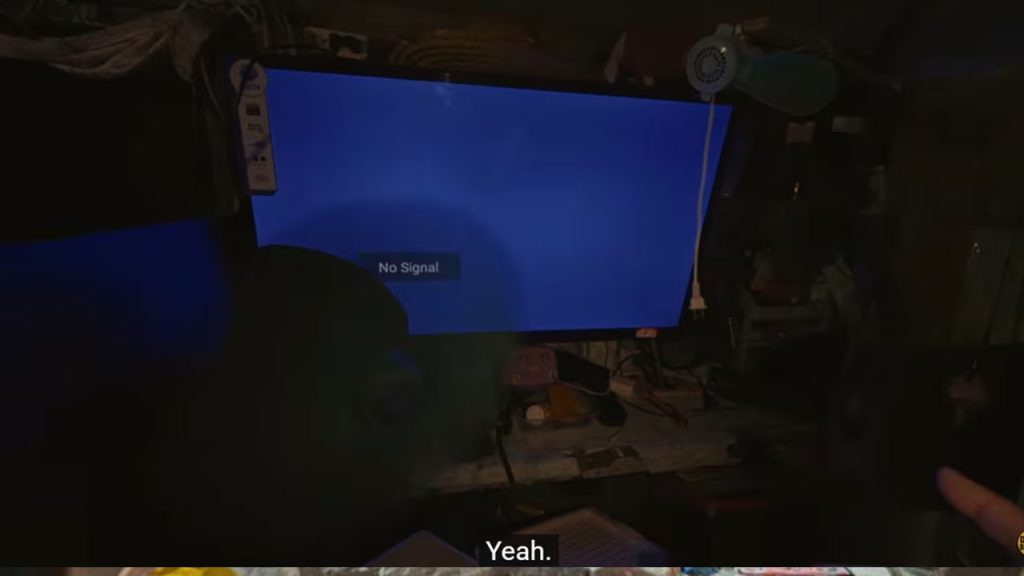
Among the residents Drew meets is Precious, an 18-year-old living in the tunnel with her husband and daughter, along with other family members. She says the hardest part is the weather. “We have to evacuate. The Department of Social Welfare and Development come here and say we have to evacuate to another place,” she explains. Edwin adds that when heavy rain hits and the tunnel floods, families can lose everything, with water rising dangerously high.
Yet Precious says the family’s spirit remains strong. “We’re very happy. It’s one big happy family,” she tells Drew. She has lived in the tunnel for five years while her husband earns about 500 pesos – roughly $12 a day – working at a car wash. Their power costs about $24 a month and rent about $14, and they don’t pay for water.

Drew says what stands out most is the resilience he sees behind what outsiders might assume is only misery. “It’s so sad in there from the outside, but when you actually talk to people [they’re so resilient],” he says, describing the conditions as “mind-blowing” and noting the residents’ positive mindset.
For Edwin, that mindset sits alongside a deeper sadness about how hard it is for families to break the cycle. “I don’t know how to describe it anymore,” he tells Drew about the tunnel. “The most difficult part is when you see the same kids and now they have families, they’ve grown up and their situation is still the same.”
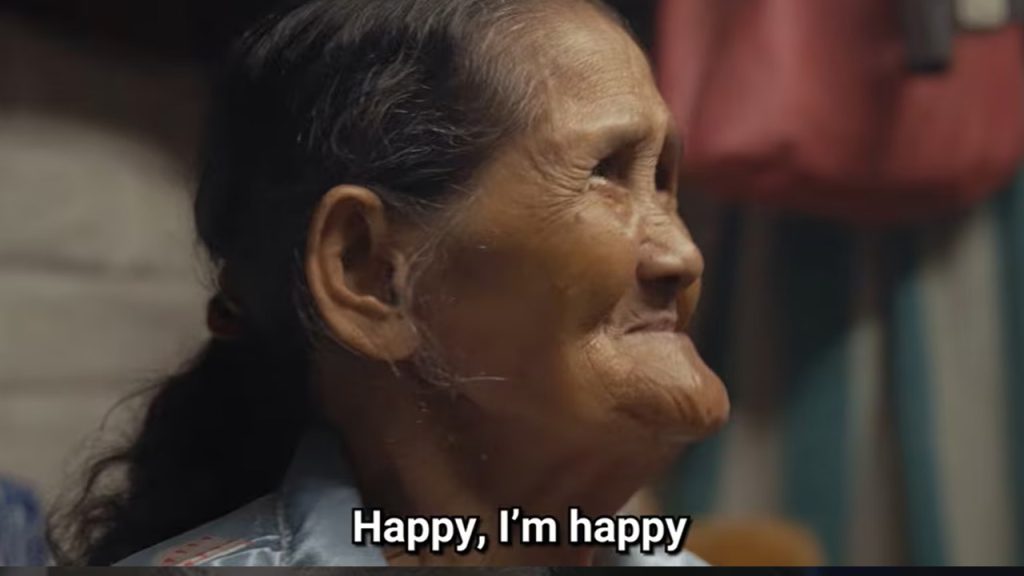
Some residents have spent their entire lives there, including a mother named Ate, who has two young children. She says her husband has no job and survives by scavenging items to sell. The community’s eldest resident is an 83-year-old grandmother who has also lived in the tunnel all her life. When asked about the best and worst part of living there, she answers simply: “I am happy”.
Drew says the experience has changed him. “Watching how they [parents] protect their kids, build routines and hold onto their dignity inside these tunnels has completely reshaped the way I see the country that I’m lucky enough to call one of my homes.”
The mini-documentary has drawn widespread attention online, with millions of views in just two weeks and thousands of comments from viewers stunned by both the living conditions and the optimism of the people calling the tunnel home.