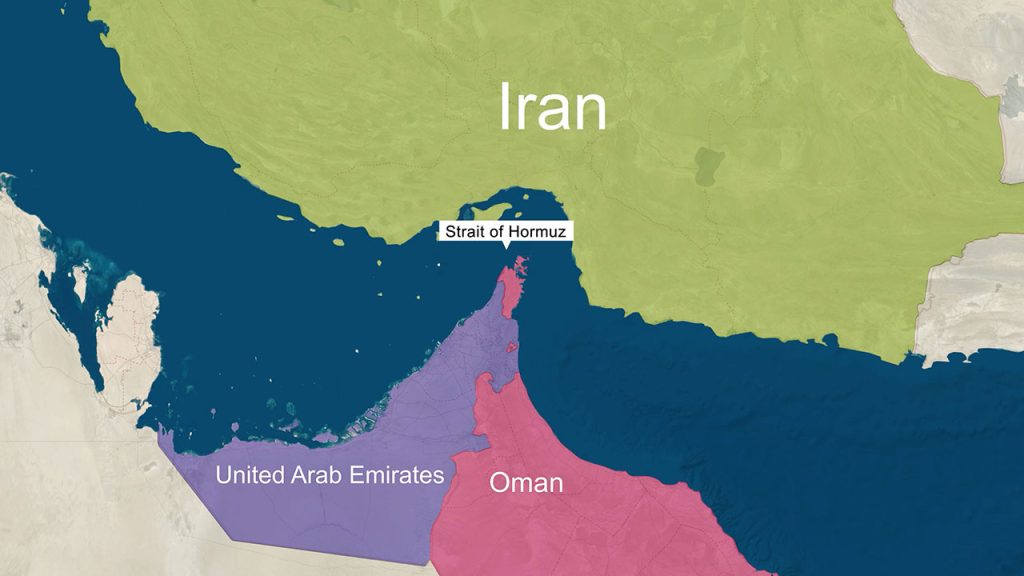
Australian drivers may soon feel the knock-on effects of the escalating conflict in the Middle East after the Strait of Hormuz—one of the world’s most critical oil shipping routes—was effectively closed yesterday. The narrow waterway between Iran and Oman carries about 20 per cent of the world’s oil supply, and in recent days shipping traffic has slumped after Iranian forces threatened to attack vessels attempting to pass through the region.
The disruption has quickly hit energy markets, with Brent crude surging more than 10 per cent in early trading to around US$82–$83 a barrel. Analysts say prices could move toward US$100 a barrel if the situation continues, and economists warn that spikes in global oil prices typically flow through to refined fuel costs over time.
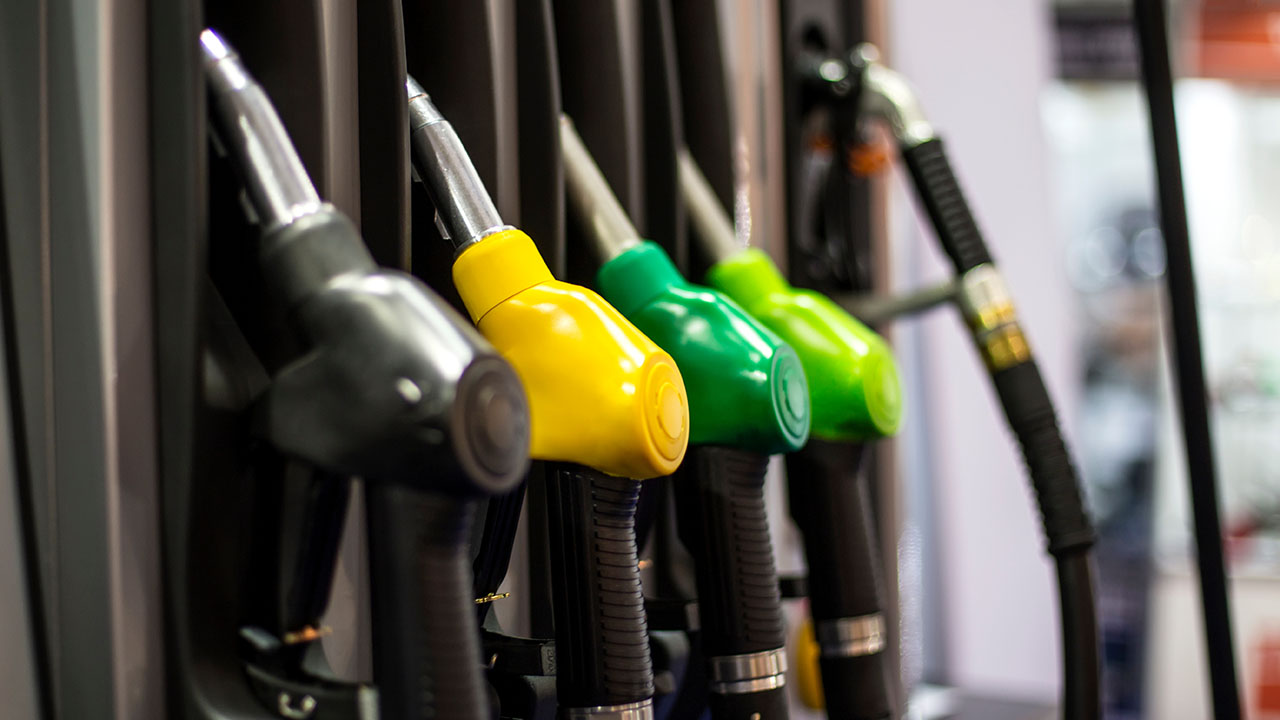
In Australia, the pressure is already showing at petrol stations. New figures from Compare the Market show average prices rose across most capital cities over just two days, with Sydney moving from $1.98 to $2.08 a litre, Melbourne from $2.08 to $2.15, and Brisbane from $2.02 to $2.15. Adelaide increased from $1.75 to $1.84, while Perth remained lower at $1.59 a litre.
Benchmark oil prices have already climbed about 20 per cent since the start of January, reaching their highest level since June last year. If average prices rose a further 10 per cent from current levels, unleaded 91 would lift to about $2.28 a litre in Sydney, $2.37 in Melbourne, $2.31 in Brisbane, $2.02 in Adelaide and $1.75 in Perth. A 20 per cent rise would take Melbourne to around $2.58 a litre, while a 30 per cent jump could push it to roughly $2.80. Sydney could climb to about $2.70 a litre and Brisbane to around $2.73—levels that would put a 50-litre fill at roughly $140.
Compare the Market spokesman Chris Ford said where prices go next depends on what happens in oil markets. “We could see new record-breaking prices at Australian bowsers if the oil price continues to surge as predicted,” he said. “The last time we saw such high prices was in April 2024, where the national average for unleaded 91 soared past $2.18 a litre and citywide averages exceeded $2.30 in some areas.”
Fuel costs are already changing driving habits. A nationally representative survey conducted late last year found 38 per cent of drivers said they were spending less time on the road than the year before to cut petrol costs. For those who still need to fill up, experts say shopping around can make a meaningful difference, with big gaps between service stations. In Brisbane, for example, there is currently a 43-cent difference between advertised prices—equating to a saving of about $21.50 on a 50-litre tank.
Energy Minister Chris Bowen said the government is watching developments closely and argued Australia is better positioned than it was during earlier energy shocks. “I know a lot of Australians have concerns and questions about Australia’s fuel security impact on petrol prices as a result of the very difficult situation in the Middle East,” Mr Bowen said. “I do want to say that Australia enters this period of great instability very well prepared, much better prepared than in previous crises.”
He said a minimum fuel stock obligation introduced in 2023 effectively created a strategic reserve intended for disruptions like this. “Australia’s refineries and companies are required to keep a stock of fuel on hand in Australia just for this type of eventuality,” Mr Bowen said. “And I’m pleased to say that we are currently in excess of the minimum stock obligations – 36 days’ worth of petrol, 34 days’ worth of diesel, and 32 days’ worth of jet fuel on hand as we speak.”
Even so, he acknowledged Australians could still face higher prices. “Now, there will be challenges and difficulties, and of course, the major impact on Australia’s petrol prices always will be international oil prices, which will be under real pressure.”