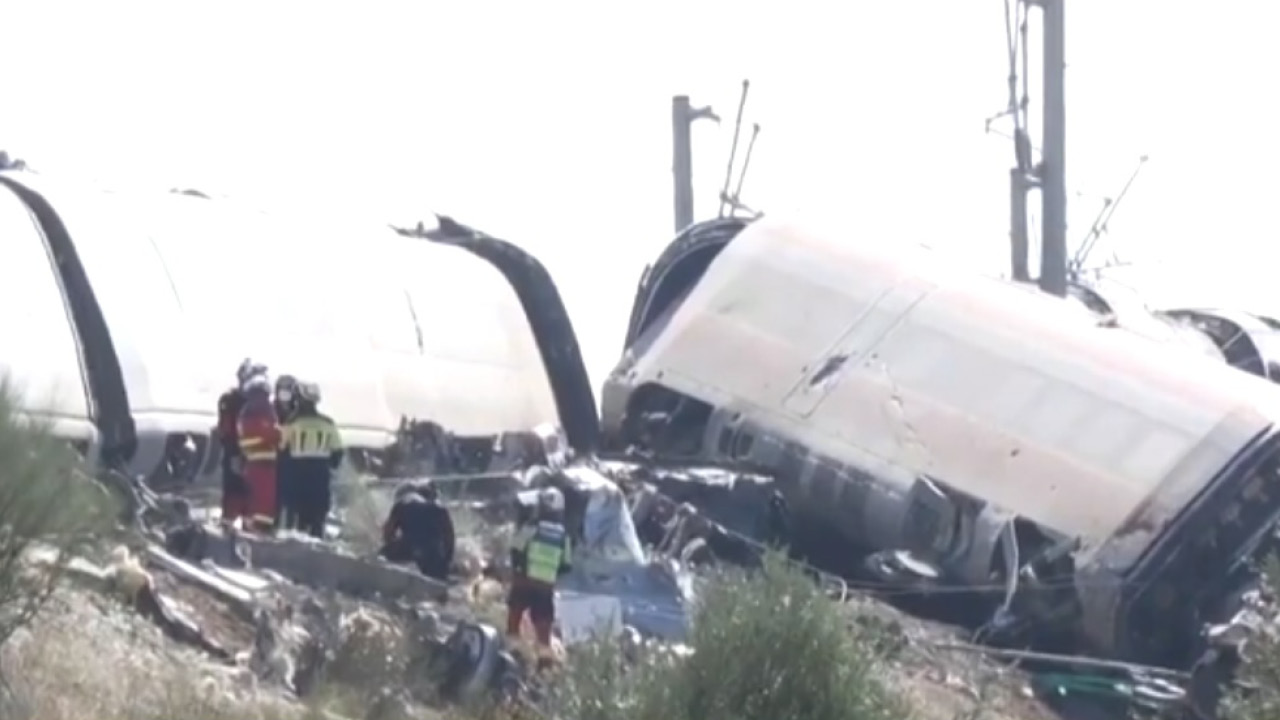
Prime Minister Pedro Sanchez said on Monday the government would sign off on an aid package that would double payouts for those affected by the crash, bring compensation forward and improve temporary incapacity cover. Sanchez said the priority was helping victims and “restoring the shattered confidence in high-speed rail as soon as possible with whatever it takes”. After cabinet meets on Tuesday (local time) to approve the package, Transport Minister Oscar Puente is expected to unveil new safety measures.
As attention turns to accountability, Puente is set to face tough questioning from lawmakers over his handling of the catastrophe, amid widespread demands that he resign. He has rejected calls to step aside, arguing that his way of taking responsibility is to “face up” to the crisis by explaining what happened to the public and fixing the system. Puente said on Friday that a computer failure disabled the signalling system, and he described a later control-centre instruction for the train to continue as “inexplicable”.
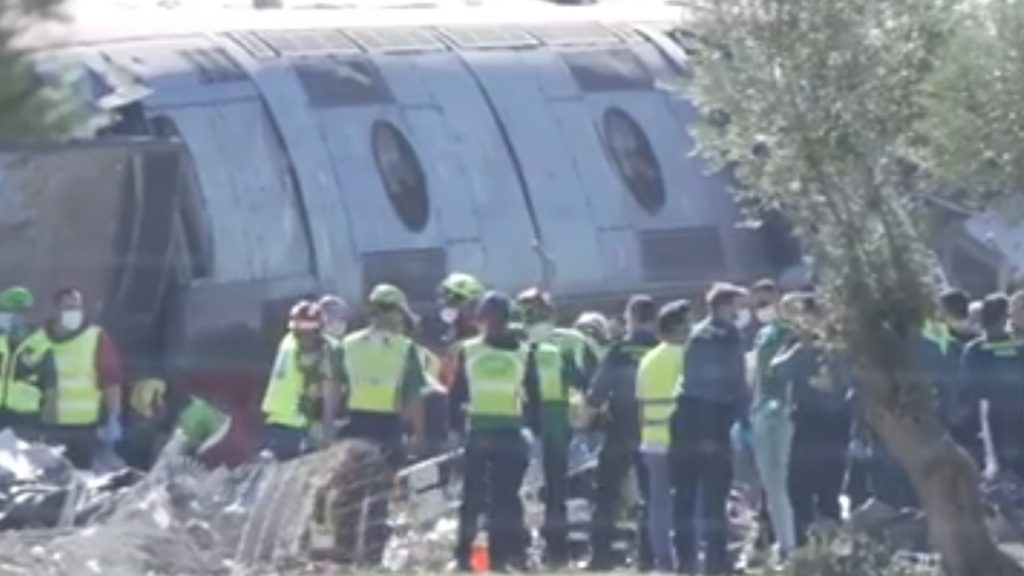
The crash happened last week in midweek near Urda in the Castile-La Mancha region, roughly 130 kilometres south of Madrid, when a high-speed service struck a stationary train. It was described as Europe’s worst train crash since 2013, and it was also the second incident on the same line this year following a January crash that killed 46 people.
Spanish authorities said two Australians were among 69 bodies that have been formally identified. Officials said those killed included 54 Spanish citizens and 15 foreigners, among them four Americans, a Canadian and the two Australians. Their families were forced to endure an agonising wait while victims were forensically confirmed.
By Sunday (local time), 13 people still had not been identified. “It is expected that the remaining victims will also be identified within the coming hours. These are likely to be exclusively people from abroad,” authorities said.
Hospitals were still caring for dozens of survivors. Forty injured passengers remained in treatment, including 17 in intensive care.
Spain’s El Pais, citing unidentified sources, reported that potential safety steps under consideration included a 40km/h speed limit in situations where drivers must depend on sight to detect hazards ahead if a signal system fails.