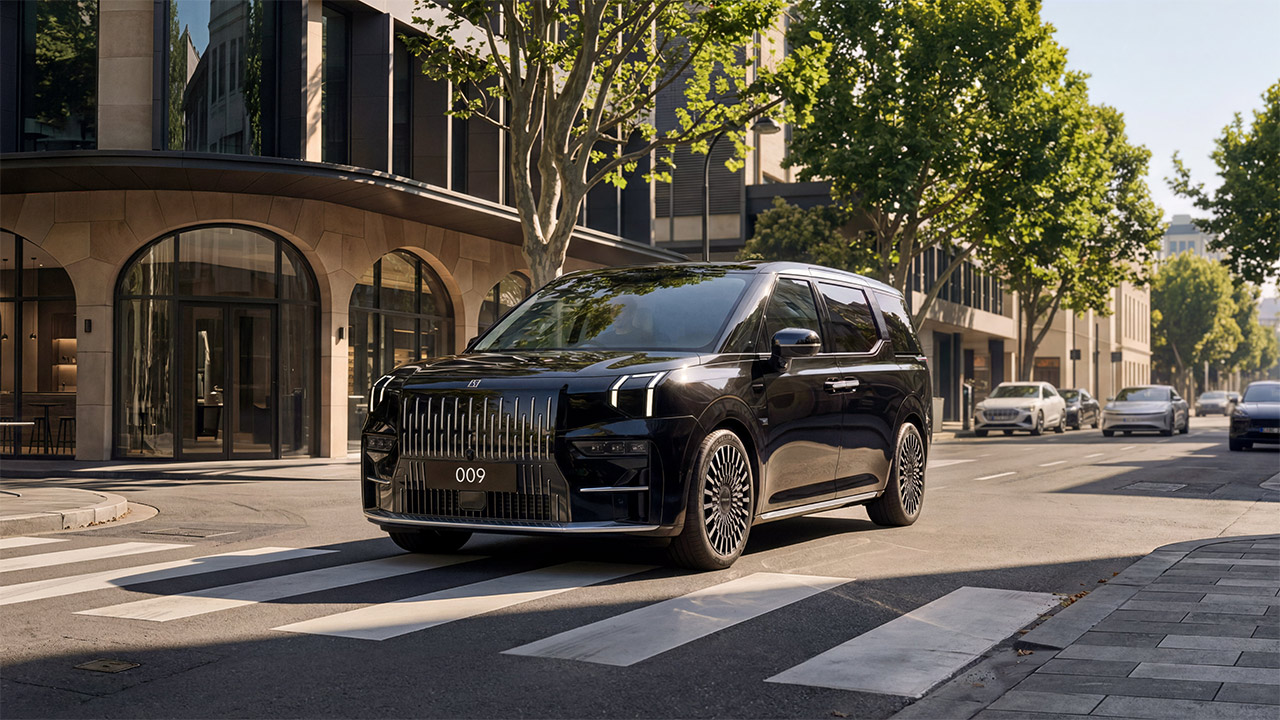
Australian car yards are about to get busier, with a run of new Chinese electric vehicle (EV) badges landing before Christmas that most buyers have never heard of. Zeekr, XPeng and a handful of others are joining BYD, MG and GWM on the showroom floor, and the prices on offer stretch from bargain to genuinely premium. The trick isn’t picking a brand you trust – it’s working out which rung of the price ladder actually suits the way you drive, because this wave is really several different decisions wearing one headline.
The cheapest way into an EV right now
At the sharp end, three cars do the heavy lifting. The BYD Atto 1 compact hatch leads the pack from $19,990 drive-away, described as the lowest price seen for a new electric car on the Australian market. The GWM Ora 5 has taken over as the cheapest electric SUV on sale at $33,990 drive-away, pushing ahead of the BYD Atto 2. Waiting in the wings is the Leapmotor B03X, tipped to undercut both from $29,990 drive-away, though a firm on-sale date hasn’t been locked in yet.
These three are aimed at buyers after a straightforward city or suburban runabout rather than outright range, and they’re worth shortlisting together rather than in isolation. If your driving is mostly local – the shops, appointments, grandkids’ sport on weekends – this is the rung where the maths makes the most sense.
The crowded middle, where $10,000 buys very little difference
Step up to between $40,000 and $50,000 and the field gets busy fast. The XPeng L03 arrives in December 2026 priced from $41,900 before on-road costs, landing almost exactly alongside the Geely EX5 at $41,990 before on-road costs. Both undercut the Tesla Model Y at $58,900 and the Zeekr 7X at $57,900 by a wide margin. The BYD Atto 3 Evo and MG MGS5 sit in the same bracket, meaning four or five genuine contenders are separated by a few thousand dollars on sticker price alone.
One detail worth knowing before you commit: the XPeng L03 will also be offered as a petrol-electric range-extender, using a small 1.5-litre engine to top up the battery on longer trips. For anyone not fully sold on relying on public charging for a drive to the coast or up the highway, that’s a genuinely different ownership proposition sitting under the same model name as the pure electric version.
A tier higher, and the gap in between
Zeekr’s local push sits a notch above the rest. The 7X mid-size SUV is already on sale from $57,900, and the 7GT wagon is expected to slot in underneath it later in 2026 at around $55,000 – though that figure is still an estimate, not a confirmed price. One comparison worth keeping in mind while you shop: the Geely EX5 Complete is reported to cost $15,910 less than the Zeekr 7X RWD while claiming a near-identical range under the WLTP test cycle. That’s the kind of gap that’s worth questioning a salesperson about directly, rather than assuming extra badge prestige buys extra battery.
Buy now or let the market settle?
The timing here matters. The XPeng L03 is locked in for December, while the Zeekr 7GT and the Chery E5 small SUV are both pencilled in for late 2026, alongside the Ora 5 hatchback. Anyone not in a rush has a reasonable case for waiting until those launches are confirmed rather than acting on estimated pricing now. More than 10 new Chinese brands have entered the Australian market in recent years, and that pace of arrival suggests further undercutting into early next year is more likely than prices settling where they sit today.
What it’s actually like to live with one
This is no longer a fringe choice. Vehicles built in China, including Tesla and Polestar, made up 39.6 per cent of all new vehicles delivered in Australia in June 2026, and BYD finished just 243 sales behind Toyota that same month to become the country’s second-best-selling brand so far this year. The best-selling vehicle in Australia in both May and June 2026 was the Tesla Model Y, itself built in China. Day-to-day, claimed range in this price bracket clusters between 400km and 475km on the WLTP test cycle, with the XPeng L03 claiming 445km and the Geely EX5 claiming 450-475km – enough for most weekly driving, though worth checking against your own regular trips rather than taking the claimed figure at face value.
RACV’s Head of Policy, James Williams, points out that EVs behave differently to petrol or diesel (internal combustion) cars in everyday traffic, with near-silent running and strong acceleration off the line. “It’s therefore important that electric cars are driven safely and responsibly, including around pedestrians and bike riders,” he said. It’s a small adjustment rather than a complication, but worth knowing before your first drive rather than discovering it in a car park.
RACV motoring editor Terry Martin frames how quickly this has shifted. “Five years ago most buyers could name only one or two new Chinese car brands,” he said. “Today, they’re competing directly with Toyota, Mazda, Kia, Hyundai, Subaru and even Tesla, BMW and Mercedes-Benz for buyers’ attention.”
Before any of these new arrivals goes on your shortlist, a few gaps are worth closing first. None of the XPeng L03, Zeekr 7GT, Chery E5 or new Ora 5 hatchback has a confirmed Australian warranty, servicing schedule or ANCAP (the independent safety rating body) rating published yet, so you’d be buying ahead of that information rather than against it. Resale value for brand-new names like XPeng and the relaunched Ora 5 has no Australian track record the way BYD and MG now do, and real-world range on local roads typically runs below the claimed WLTP figure for any EV, untested as yet for these specific models. None of that rules a car out – it simply means a dealer test drive and a direct question about warranty terms belong in the process before a deposit does.
Our verdict: this isn’t one EV story to wait out or jump on – it’s a ladder, and the right rung depends entirely on your own driving pattern. If your trips are mostly local, the BYD Atto 1 or GWM Ora 5 already deliver genuine value at a confirmed drive-away price today. If you’re prepared to wait for confirmed figures and a proper showroom look, the middle tier arriving by Christmas is where the real competition – and the real bargaining power – will sit.