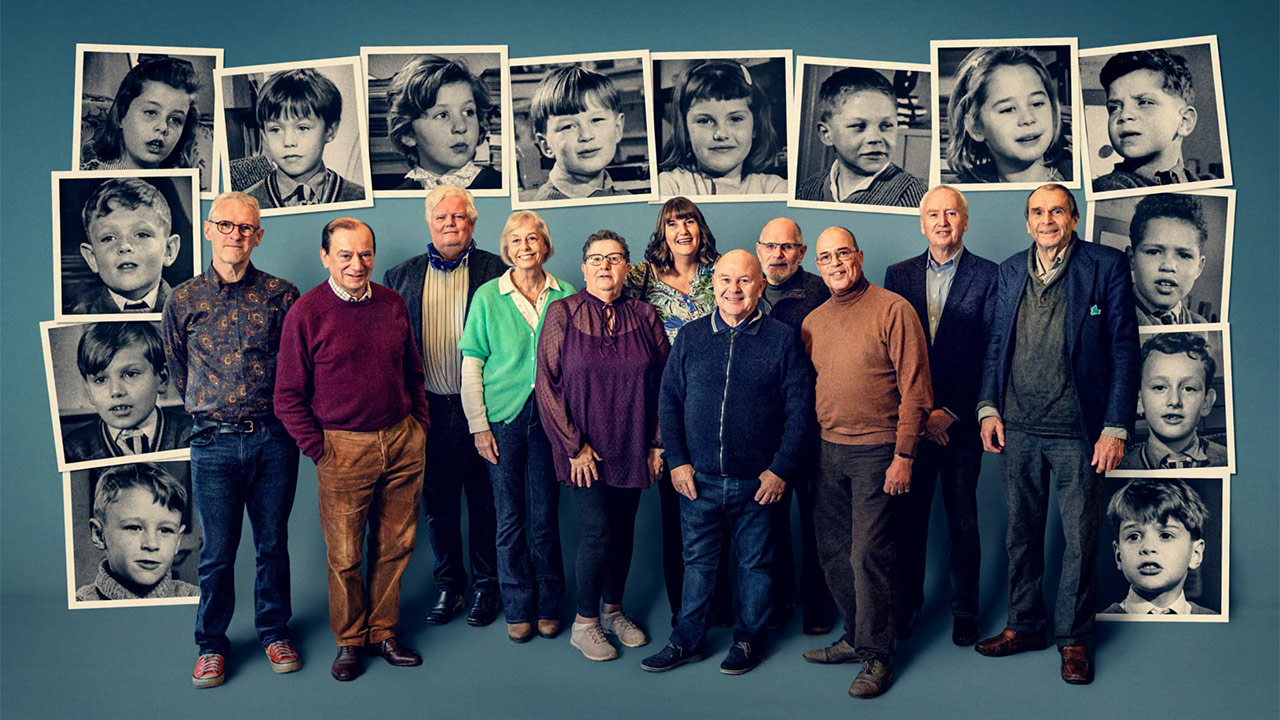
For six decades, one television series has done something no other program has managed: it has let viewers watch complete strangers grow old in real time, checking in on the same fourteen lives every seven years since 1964. Now, with the release of 70 Up, that remarkable experiment is coming to a close, and for the woman who has steered it for most of its life, the ending carries a weight few outside the production could understand.
Claire Lewis joined the Up series as a researcher 42 years ago, back when it was already notorious for nearly falling apart. “I knew right from the day I was given the gig … that it was going to change my world and my life,” she said.
She was not exaggerating. What began in 1964 as Seven Up!, a one-off documentary following 14 English seven-year-olds chosen to “reflect the reality of what people think and feel across the spectrum in the UK”, was never meant to continue. But a film crew returned seven years later, and then again every seven years after that, following the same group through adolescence, first jobs, marriages, parenthood and, eventually, old age.
By the time Lewis arrived, the project was teetering. In the gap between 21 Up and 28 Up, nobody had kept track of where the participants had gone. Director and interviewer Michael Apted had relocated to Los Angeles. Several of the women had married and changed their surnames. One participant was homeless. Another had vanished entirely. There were no mobile phones, no digital records and none of the consent protocols that now govern television production.
Lewis made herself a promise. “I vowed I was never going to be in that position again,” she said. “I was always going to know where they all were.”
That resolve turned her into more than a producer. By 28 Up, the crew had become something closer to family, a bond that held firm right through to 63 Up and sustained the series through changes in television itself that might easily have ended it.
A TV executive, speaking at a London panel to launch the final film, called the series “a piece of tele that belongs to the whole nation”. For Australian viewers who have followed the same faces from childhood photographs to retirement, that sentiment will feel just as true here. Few programs ask so little and give so much: just seven years of patience between each visit, and a lifetime’s worth of recognition in return.
With 70 Up, the cameras stop rolling for good. But the fourteen children who were never supposed to be seen again after one afternoon in 1964 have left behind something rarer than fame: a record of what an ordinary life actually looks like, told in real time, by people who simply agreed to keep showing up.