Australians who have watched migration numbers surge in recent years, and felt it in housing queues, hospital waiting rooms and crowded roads, are being offered the biggest cut to the intake in the country’s history. Opposition Leader Angus Taylor has unveiled a Coalition plan to slash the number of temporary visa holders by 650,000, in a policy he says will ease pressure on infrastructure without hurting the budget.
Net overseas migration is the simple measure of how many more people arrive in Australia long-term than leave each year. It currently sits at 292,000. Under the Coalition’s plan, that figure would be cut to 100,000 in each of the first two years of government, before rising to 160,000 by year four.
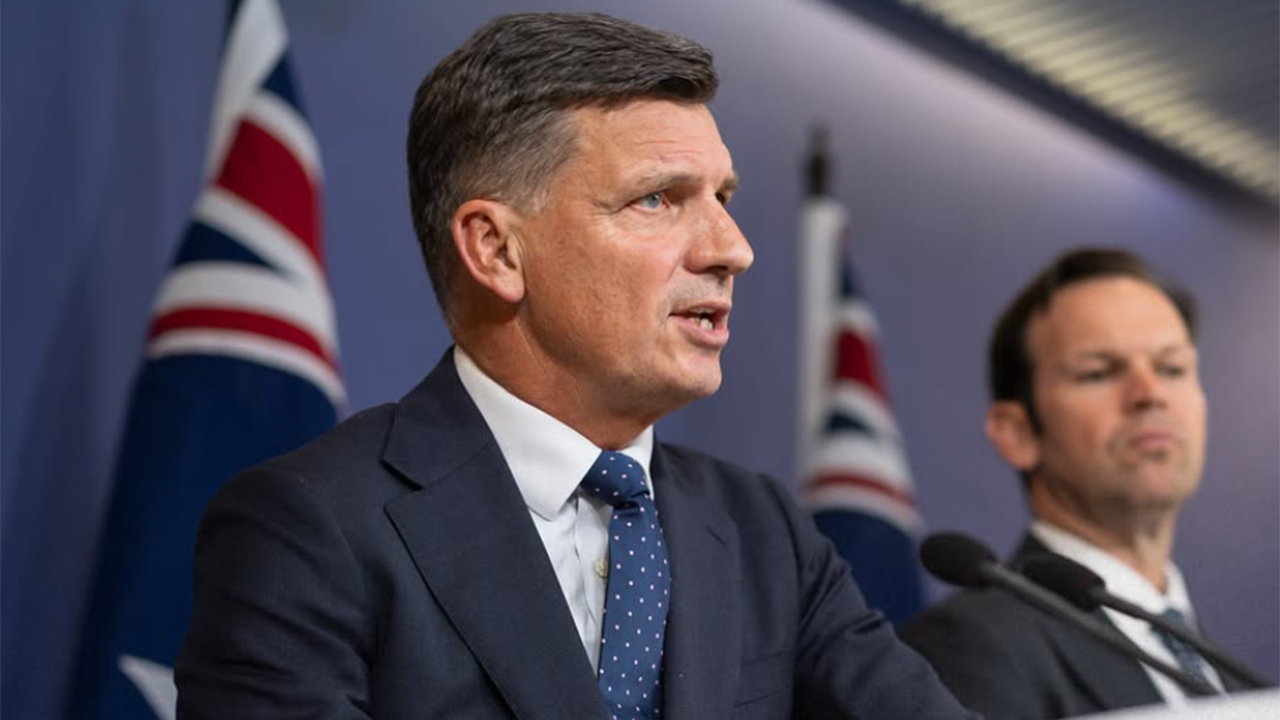
Taylor framed the policy as a return to first principles. “Australia should be a home, not a hotel. And right now, we’re seeing under Labor a guest worker economy,” he said at a press conference in Sydney on Tuesday.
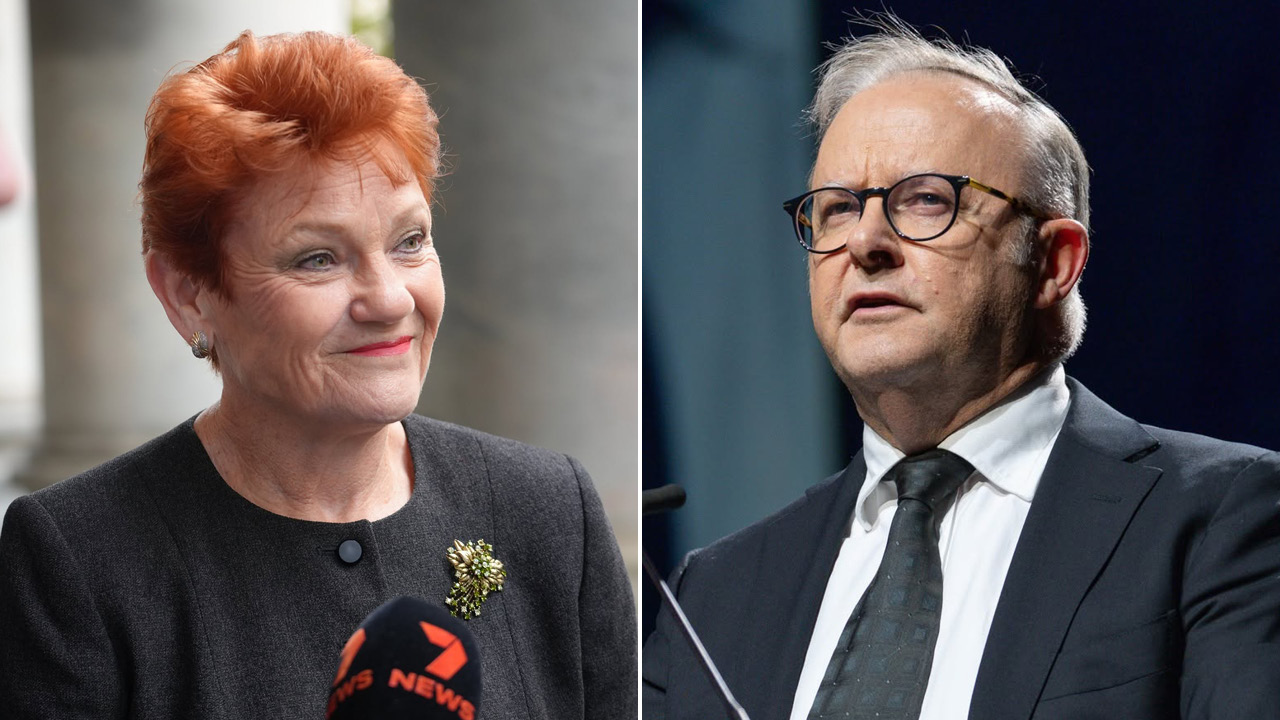
The announcement arrives after months of argument in Canberra over who can bring migration down fastest, with One Nation climbing in the polls on a tough stance. Labor’s own plan aims to bring net overseas migration to 225,000 within two years, while One Nation wants the country pushed into negative migration, meaning more people leaving than arriving, for three years before settling at 130,000. The Coalition’s figure sits between the two.
Temporary visa holders bear the heaviest cuts under the Coalition plan. Graduate visas would be scrapped entirely, and the refugee intake halved to 10,000. Visa applicants would also be required to apply from offshore rather than onshore, a change Taylor said would bring down the growing number of bridging visas clogging the system.
“That will take pressure off roads, off schools, off infrastructure, off houses, and that will ensure that our country has the breathing space it needs,” Taylor said.
Alongside the cuts, the Coalition would add 100,000 skilled migrant visas, arguing that a smaller but more skilled intake strengthens the economy rather than weakens it. “We are very, very confident that that simple approach – reducing the numbers but raising the standards – ensures that it’s budget neutral and will strengthen the economy, improve productivity, improve competitiveness, improve the skills,” Taylor said.
He pointed to the tax contribution of different visa categories to make his case, claiming skilled migrants generate around $30,000 each in tax and economic activity, compared with between $7,000 and $14,000 for temporary graduates or students.
Taylor used the announcement to take aim at the government’s broader approach, arguing Labor’s “whole economic strategy” has leaned on population growth rather than productivity. Home affairs spokesman Jonno Duniam backed the plan as considered policy rather than a quick political fix. “It is about ensuring our country gets what it needs when it comes to the workforce and the people to do the jobs that we need doing in this country, so that our economy can continue to function,” he said.
One Nation, meanwhile, is claiming credit for pushing the debate this far. The party had originally proposed allowing 130,000 more arrivals than departures each year, before backflipping last month under pressure from its base to call for three years of negative migration first. MP Barnaby Joyce said on Tuesday his party was driving the political agenda, pointing to reporting that the Coalition had been working on its own deep cuts behind the scenes.
Three parties, three numbers, one shared bet that Australians are ready for less crowding and more room to breathe. Whether that promise survives contact with an election campaign is another question, but for now, the race to cut migration has become the race to be believed.