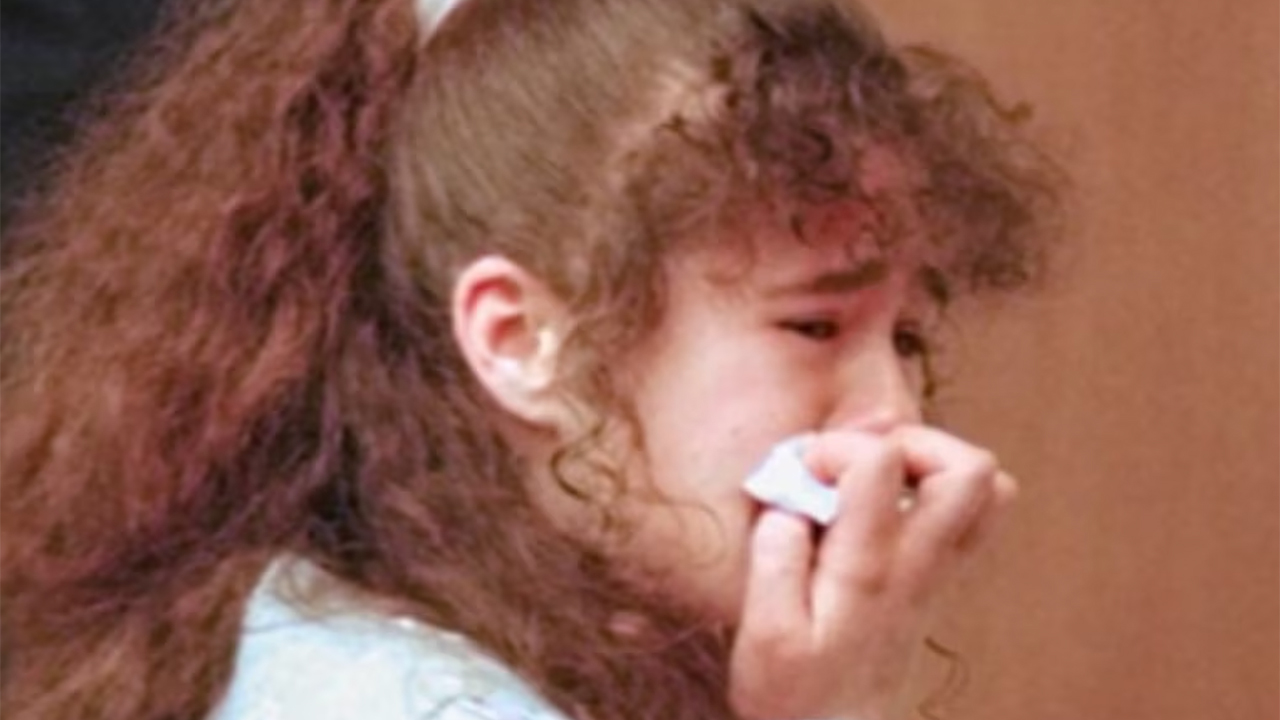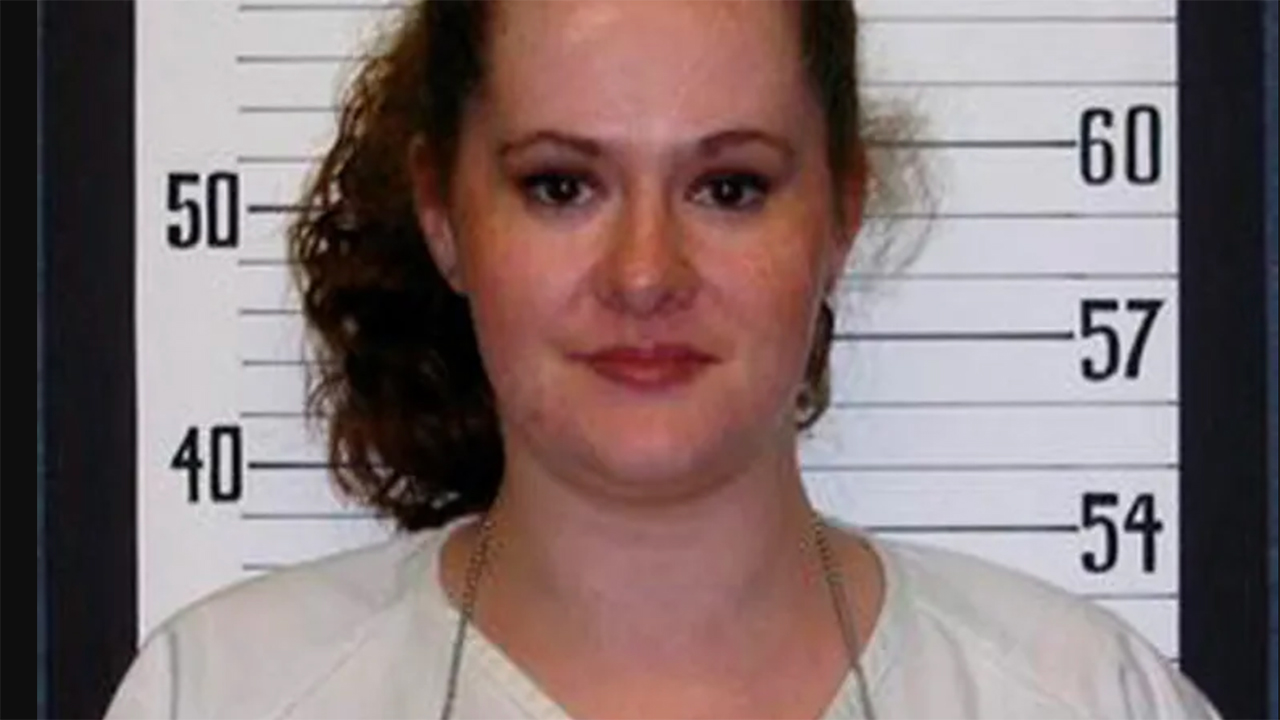
A convicted murderer who came within an hour of execution before receiving a dramatic last-minute reprieve has now survived a botched attempt to put her to death after being given two doses of lethal injection drugs.
Christa Gail Pike, 50, was rushed to hospital after Tennessee authorities were unable to execute her at Nashville’s Riverbend Maximum Security Institution on Wednesday night, local time.
Pike had earlier been spared with barely an hour to go when a federal appeals court temporarily halted her execution, only for the US Supreme Court to overturn that decision hours later and clear the way for it to proceed.
But what followed inside the execution chamber has prompted an investigation and the suspension of all further executions in Tennessee for the remainder of the year.
Pike was strapped to a gurney shortly before 7.30pm and administered pentobarbital, the drug used under Tennessee’s one-drug lethal injection protocol.
Witnesses said Pike remained visibly alive after the first dose, breathing, moaning and at times appearing to be in considerable discomfort.
At one point she reportedly complained of severe pain in her arm and asked whether what she was experiencing was normal.
Media witnesses said Pike could later be heard snoring loudly and continued breathing despite a second dose of the drug being administered.
Catherine Sweeney, a health reporter with Nashville Public Radio who witnessed the attempted execution, said Pike remained alive after authorities had gone through both rounds of the procedure.
“They went through two rounds, and she was still breathing at the end,” she said.
Pike was reportedly still making audible breathing and snoring sounds more than an hour after the process began.
Curtains separating witnesses from the execution chamber were repeatedly opened and closed during the procedure, with journalists later saying much of what happened was obscured from view.
After the second dose also failed to kill Pike, authorities eventually abandoned the execution and she was transported by ambulance to an outside medical facility.
Her lawyers subsequently confirmed she was alive and receiving treatment.
Her condition and whether she has suffered any lasting injuries have not yet been publicly confirmed.
Medical expert Dr Joel Zivot, who has worked with Pike’s legal team, said there was a possibility she could have suffered a brain injury as a result of the ordeal, although that has not been established.
Pike’s lawyers had warned before the execution that problems accessing her veins and other medical issues could lead to a prolonged and painful death.
They have since claimed the events inside the chamber vindicated those concerns, pointing to possible difficulties with vein access and the administration of the drug.
One of Pike’s lawyers, Stephen Ferrell, suggested it was possible the pentobarbital entered muscle tissue rather than being delivered properly into a vein.
However, exactly what went wrong remains unclear.
The Tennessee Department of Correction said officials had followed every step of the state’s approved execution protocol.
“The lethal injection chemical in the protocol has consistently been effective, and the protocol does not allow for additional procedures beyond what was carried out this evening,” the department said.
Tennessee Governor Bill Lee has now ordered a comprehensive independent review into the failed execution and halted the state’s remaining scheduled execution for 2026.
“Carrying out a lawfully imposed sentence is among the State’s most serious responsibilities, and the people of Tennessee expect it to be done in a manner that is not only legal and constitutional, but is effective,” Lee said.
The extraordinary scenes came at the end of an already tumultuous day for Pike.
She had originally been scheduled to die earlier on Wednesday for the brutal 1995 murder of 19-year-old Colleen Slemmer, but received a temporary stay just an hour before her scheduled execution.
The US Supreme Court later lifted that stay, allowing Tennessee to make a second attempt to carry out the sentence that evening.
Pike was 18 when she and others lured Slemmer, a fellow student at a Job Corps training centre in Knoxville, to an isolated area, where the teenager was tortured and murdered.
Pike was convicted of first-degree murder and sentenced to death in 1996.
She had expressed remorse for the killing in the years since, while her lawyers argued her age, mental health and traumatic childhood should have been given greater consideration.
Slemmer’s family has long supported Pike’s execution.
But after three decades on death row and an extraordinary series of events spanning just hours, Pike remains alive – having first been spared by the courts, then ordered back to the execution chamber, and finally surviving the state’s attempt to put her to death.