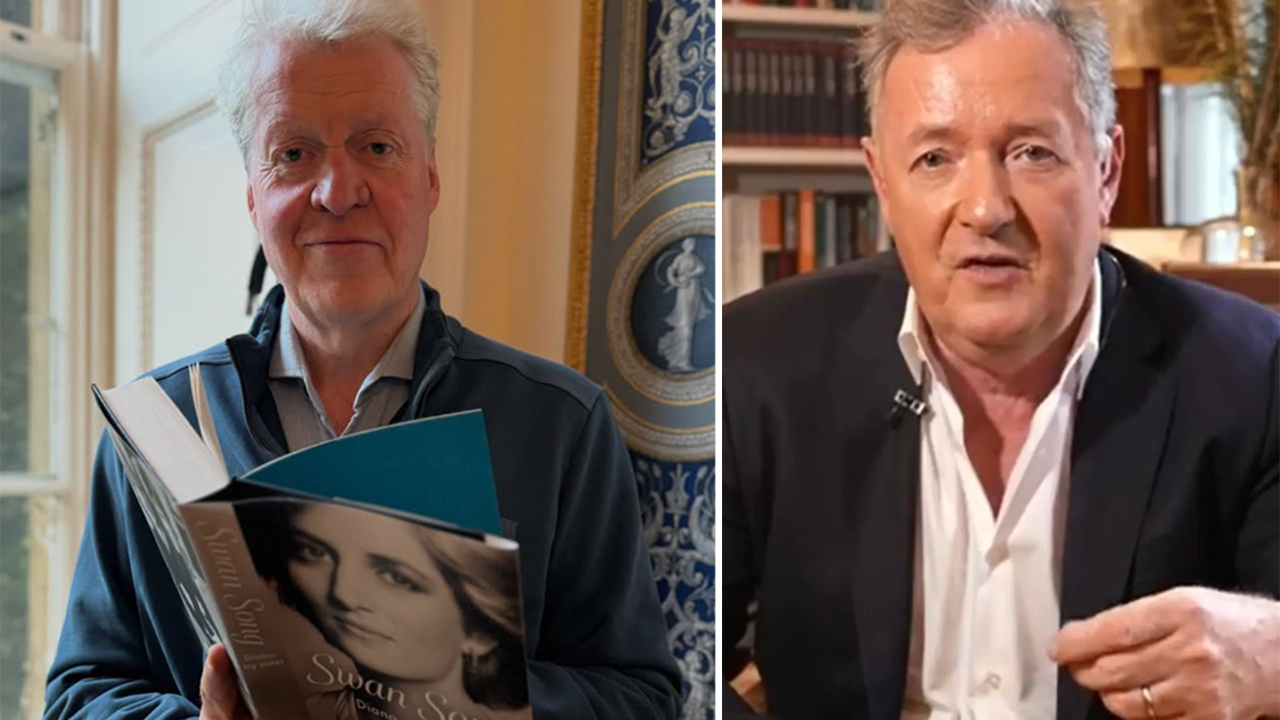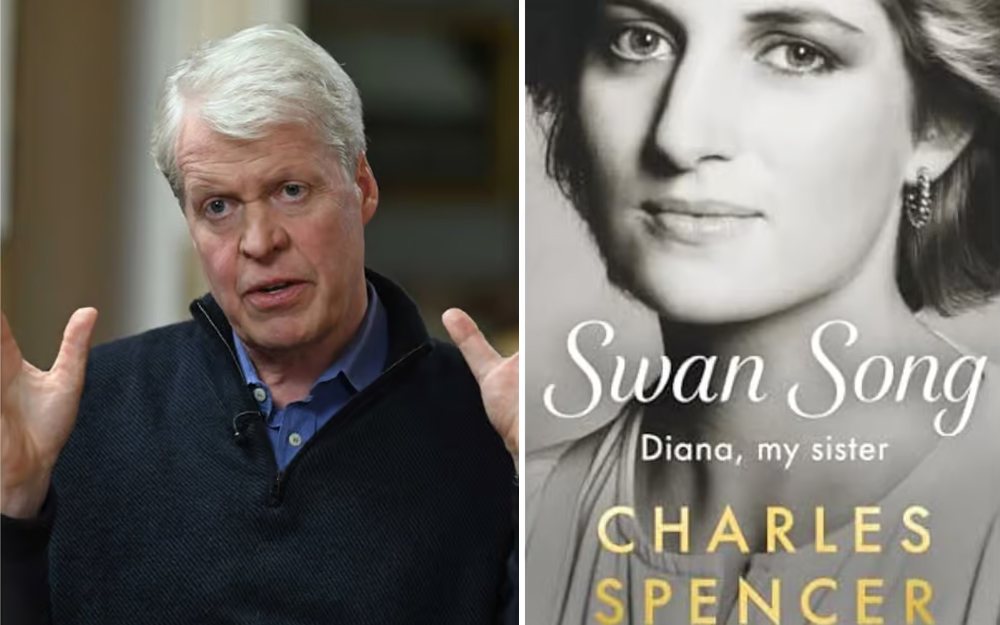
Charles Spencer has backtracked on another of the most explosive claims in his controversial new book about Princess Diana, admitting he “cannot be sure” about his interpretation of King Charles’ reaction to his sister’s death.
The concession comes just days after the Earl was forced to apologise for a separate factual error in Swan Song: Diana, My Sister, which has already prompted a legal challenge from broadcaster Piers Morgan.
In one of the book’s most confronting passages, Spencer recalled speaking to the then-Prince Charles shortly after Diana was killed in a Paris car crash in August 1997.
“Unlike my other callers, who were stunned, barely able to articulate their condolences and offers of help, he sounded giddily elated – like a lottery winner,” Spencer wrote.
He went further, speculating that Charles’ reaction may have been because Diana’s death removed an obstacle to a future with Camilla Parker Bowles.
“Looking back now, I suspect the prince’s first reaction must have been to think more of how this event might free him to marry the woman he loved, rather than appreciating the loss of one he did not,” Spencer wrote.
But challenged about the allegation during an interview with the BBC’s Laura Kuenssberg, Spencer was considerably less certain.
He maintained that he remembered a “giddy tone” in Charles’ voice, saying there had been a “lightness” that jarred with him compared with the shocked and grieving calls he had received from others.
However, when Kuenssberg pressed him on whether he could really know what Charles had been thinking at the time, Spencer conceded: “I cannot be sure.”
He said his suggestion was an assumption based on the tone he remembered hearing and represented only a possible explanation.
The distinction is important. Spencer has not withdrawn his recollection that Charles sounded unusually upbeat to him during the call. What he has stepped back from is the much more serious inference about why – and whether the future King was actually contemplating the possibility that Diana’s death had cleared the way for him to be with Camilla.
The admission places further scrutiny on a memoir Spencer has promoted as an attempt to correct what he sees as decades of misinformation surrounding his sister.
It also follows another embarrassing correction concerning Piers Morgan.
Spencer claimed in the book that Morgan was responsible for the Daily Mirror publishing secretly taken photographs of Diana exercising at a gym in 1993.
Morgan was not editor of the newspaper at the time. He did not take over the Mirror until 1995 and was working at The Sun when the photographs appeared.
Spencer subsequently apologised for the error, describing it as an “incorrect assumption” and stressing that accuracy was important to him as a historian.
Morgan has nevertheless said he intends to pursue legal action over other allegations in the book.
The controversy surrounding Swan Song has also drawn an unusually forceful response from Buckingham Palace.
After excerpts were published containing Spencer’s claims about Charles’ behaviour following Diana’s death, the Palace said the King was mindful that “the pain of fraternal grief can cloud reason, affect judgment and colour memory in ways others do not recognise, even many years after such a loss”.
Spencer has continued to stand by his broader account of the tumultuous days following Diana’s death, including his allegation that Charles later told him, during an argument over the funeral arrangements, “we’ll forget her soon enough”.
But less than a week after Swan Song arrived amid claims it would set the record straight about Diana, its author is now facing questions over a second contentious passage – and the line between what Spencer remembers, what he believes and what he can actually know.