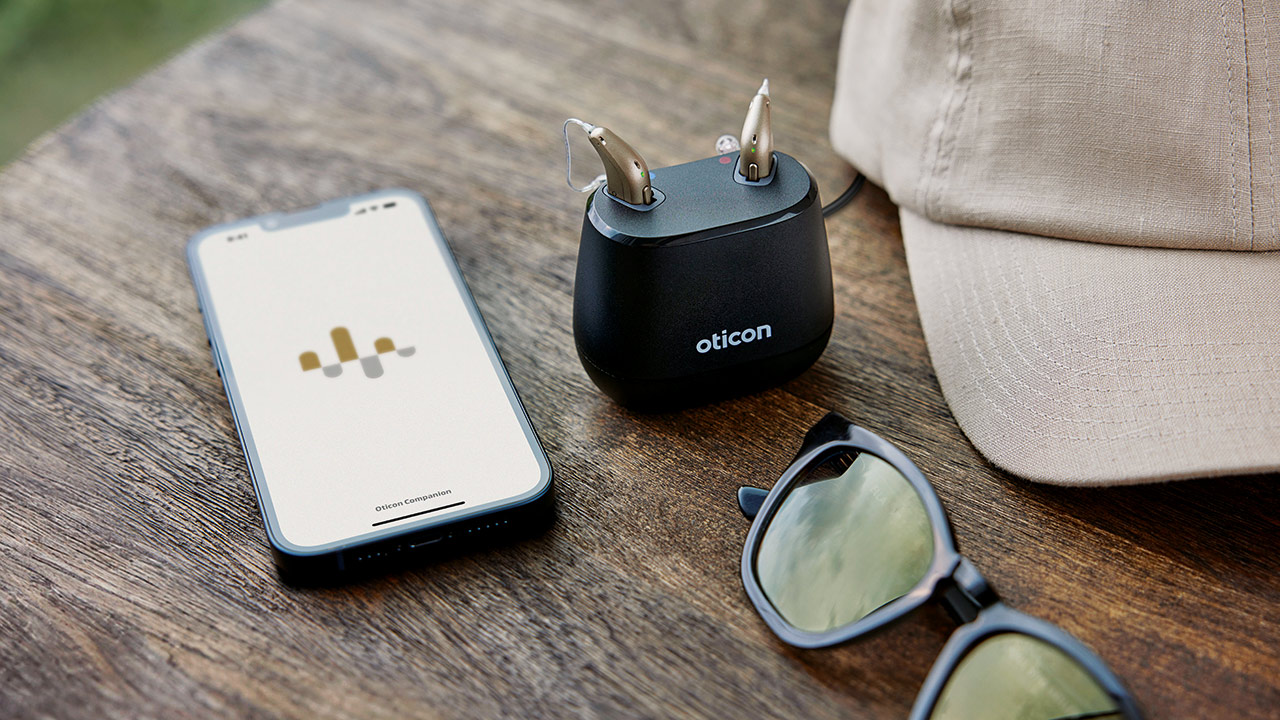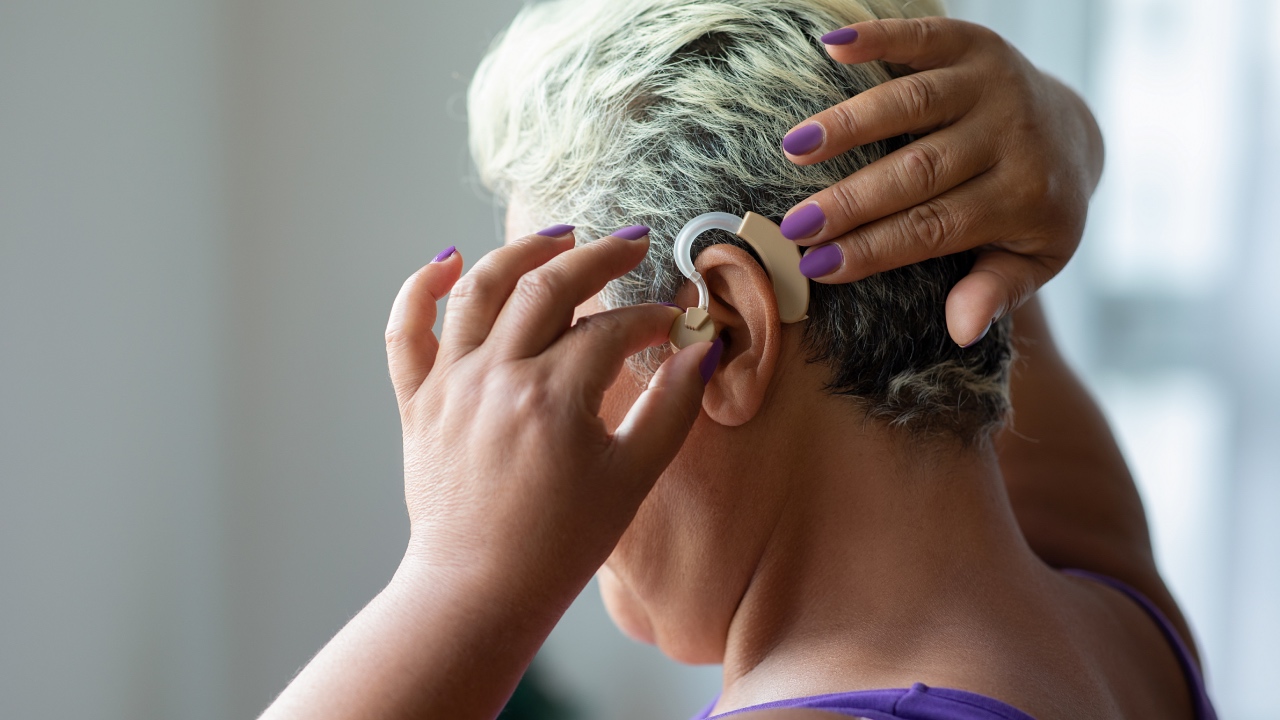
A letter arrives with the pension card renewal, or a grandchild’s voice trails off at the end of a sentence, and the thought lands: hearing aids cost thousands, and nobody has budgeted for it. For many Age Pension and Department of Veterans’ Affairs (DVA) card holders, that assumption is wrong. A government voucher scheme already covers hearing assessments and a defined range of hearing aids at no cost, and thousands of eligible Australians simply haven’t checked whether their card qualifies.
Reading on sets out exactly who qualifies, what the voucher pays for, how long it lasts and where the gaps sit – so a phone call or an online check can happen with the facts already in hand.
Who qualifies for a free hearing aid
The scheme is called the Hearing Services Program, run through a national network of Australian Government-accredited providers. Eligibility rests on the card in someone’s wallet: a Pensioner Concession Card, a DVA Gold Card, a DVA White Card where the condition is hearing-related, or Sickness Allowance all qualify, as does current service in the Australian Defence Force.
Applicants also need to be an Australian citizen or permanent resident, or a resident of Norfolk Island, and aged 21 or over. No referral from a GP is needed to book the first assessment or start the voucher process – an accredited provider can be contacted directly, or eligibility checked through the program’s online checker using Medicare and pension card details.
What the voucher actually covers
Once approved, the voucher pays for the hearing assessment itself, the fitting of the device, and follow-up care. A defined range of hearing aids sits within the fully subsidised list, meaning zero cost to the card holder for the device.
Anyone who wants a more advanced model with extra features can move onto the Partially Subsidised Device Schedule and pay only the difference between that model and the subsidised benchmark. The device itself is not free in that case, but the assessment, fitting and follow-up remain part of the same voucher.
One client described what it felt like when the aids were switched on for the first time. “I walked out and it was like stepping into another world. After driving home, I got out of the car and heard a dry leaf crackle. You don’t realise what you’ve missed until it’s given back to you. It was like gaining a superpower,” the client told hearing.com.au.
How long a voucher lasts, and when it can be renewed
A Hearing Services Program voucher runs for 12 months from the date it is issued, and it can be renewed once that period ends. New hearing aids are generally available every 5 years, though a refit can happen sooner if an assessed change in hearing need meets the program’s criteria.
That 5-year spacing sits at the centre of most planning questions from card holders – it means the free device is not an annual entitlement, but a longer-term one tied to actual hearing changes rather than simple preference.
What sits outside the free offer
The zero-cost promise has real edges. Batteries, repairs and routine servicing are only covered where a separate annual maintenance agreement has been taken out, and that agreement carries its own small yearly fee. Card holders who skip the maintenance agreement pay for batteries and repairs as they arise.
Eligibility is also strictly tied to the cards listed above – a retiree without a Pensioner Concession Card, a qualifying DVA card, Sickness Allowance or ADF status does not qualify automatically, regardless of income or hearing need. Accredited providers operate from more than 180 locations nationally under the listed provider network, with individual providers such as Audika running more than 300 clinics under the same scheme, so location is rarely the barrier – the card is.
Current eligibility rules, card types and the online checker sit with Services Australia and the Hearing Services Program, and anyone unsure whether their card qualifies can confirm the detail directly before booking an assessment.
For someone who has quietly turned the television up another notch, or stopped asking people to repeat themselves, the practical shift is this: the cost has already been provided for. All that is left is the phone call.