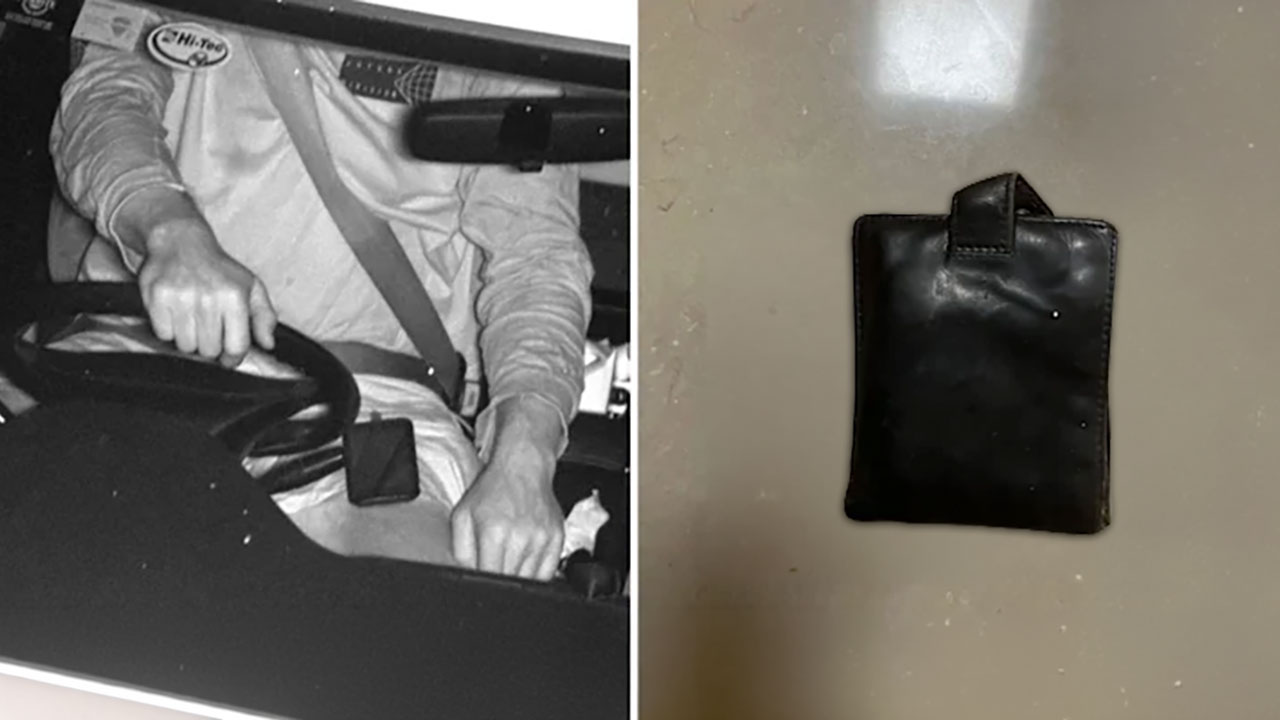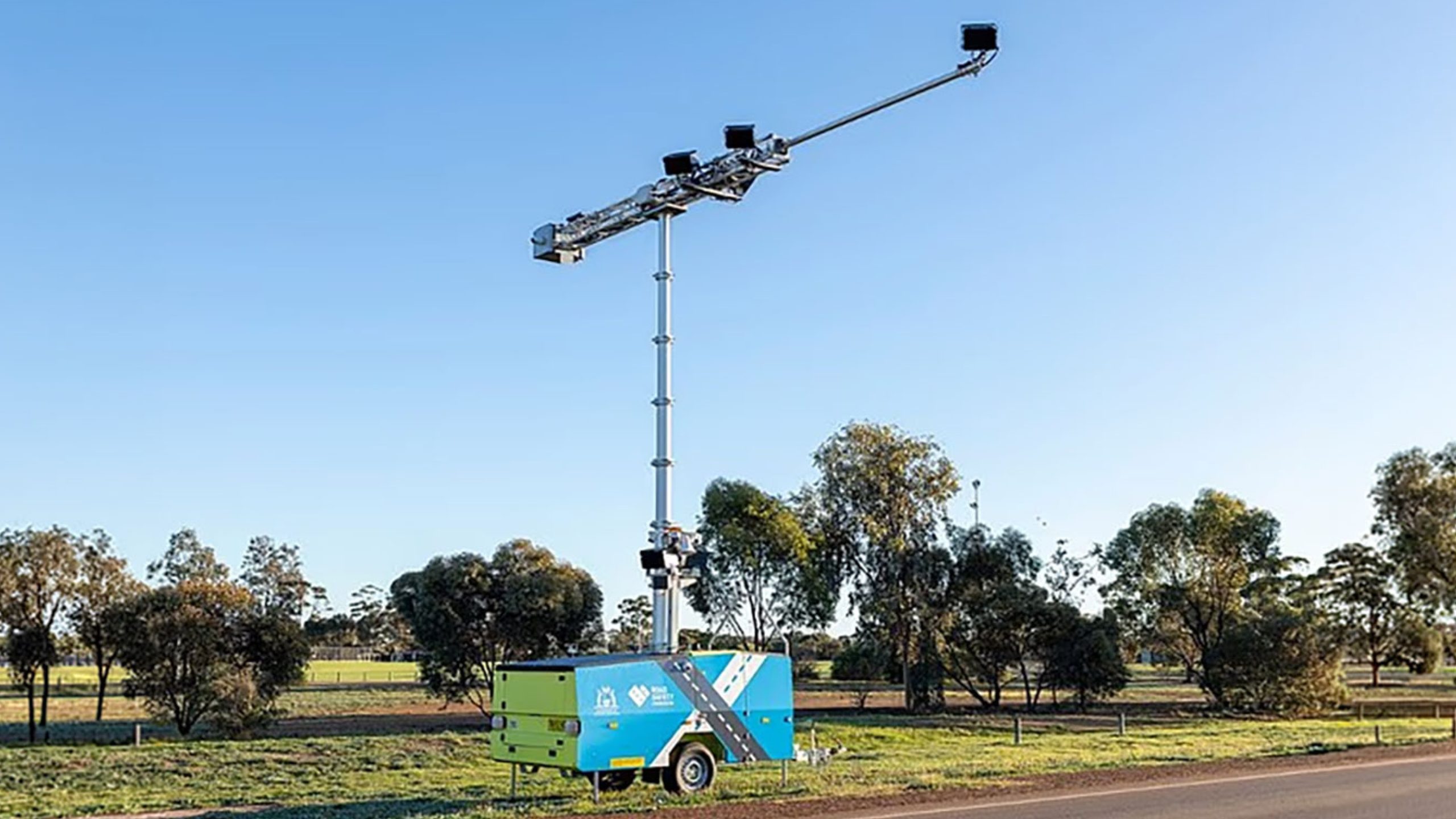
Pressure is intensifying on Canberra authorities to repay drivers after a legal error was uncovered in the system used to issue seatbelt penalties. The problem emerged when Access Canberra discovered the traffic cameras had been authorised for mobile phone detection, but the legal paperwork had not been amended to permit fines for seatbelt offences.
The agency identified the mistake two weeks ago. By that stage, about 13,000 seatbelt infringements had been issued since November. Around 6,500 drivers have already paid the penalty or otherwise had their cases finalised.
Motorists detected without a properly adjusted and fastened seatbelt can be hit with a $641 fine and three demerit points. Josh Rynehart, executive at Access Canberra, said penalties that had already been paid would be regarded as final, meaning those drivers would still keep the demerit points attached to the offences.
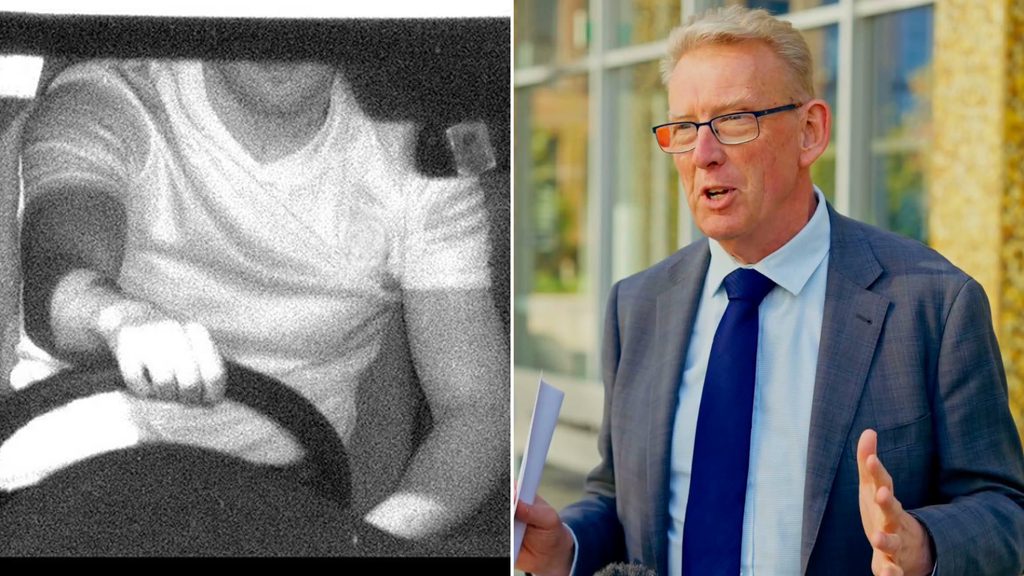
The fallout has prompted mounting calls from the Opposition for refunds for affected motorists. ACT Opposition Leader Mark Parton said the issue needed to be reviewed.
‘It puts the government in an extremely embarrassing and precarious situation,’ Parton told the ABC.
‘The Canberra Liberals are just examining all options and those options do include refunds.
‘There is certainly a community expectation here that the government has monumentally stuffed up.’
The ACT Legislative Assembly is now expected to examine retrospective laws aimed at fixing the mistake and preserving the validity of the seatbelt fines.
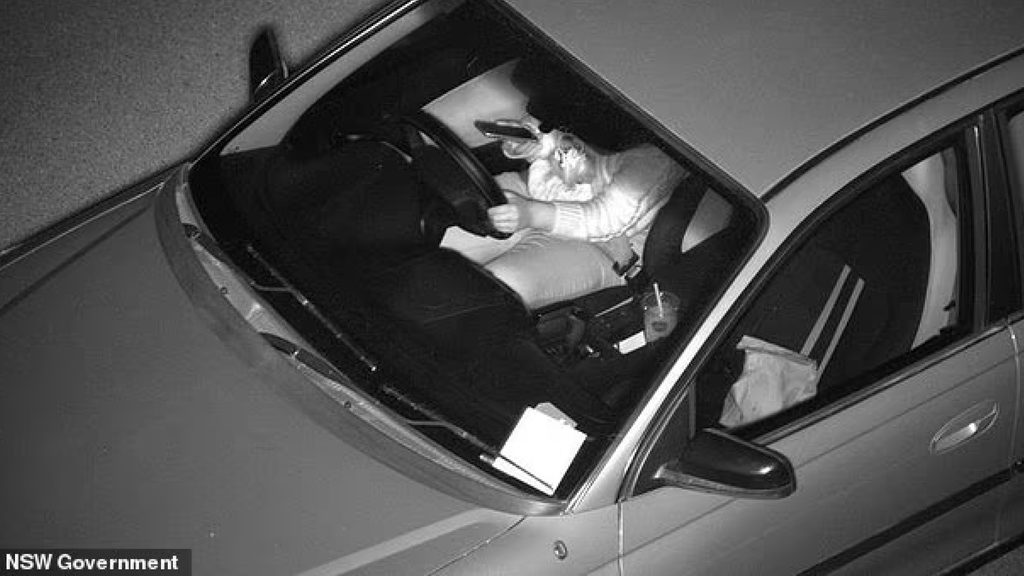
The controversy is not isolated to the ACT. Road enforcement cameras have also stirred debate in other states, with AI-based systems facing questions in Western Australia and Queensland.
In Western Australia, thousands of motorists have complained of being unfairly fined since the state’s new AI-driven cameras were introduced last year. Thousands of those fines in Western Australia are being revoked following a surge in complaints. A review found that nearly 6,000 of the 81,000 fines issued had been handed out incorrectly.
In Queensland, an audit found the state’s framework for using AI on the roads was inadequate. It said the Department of Transport had failed to properly assess AI-related risks or sufficiently monitor the way the systems were operating.