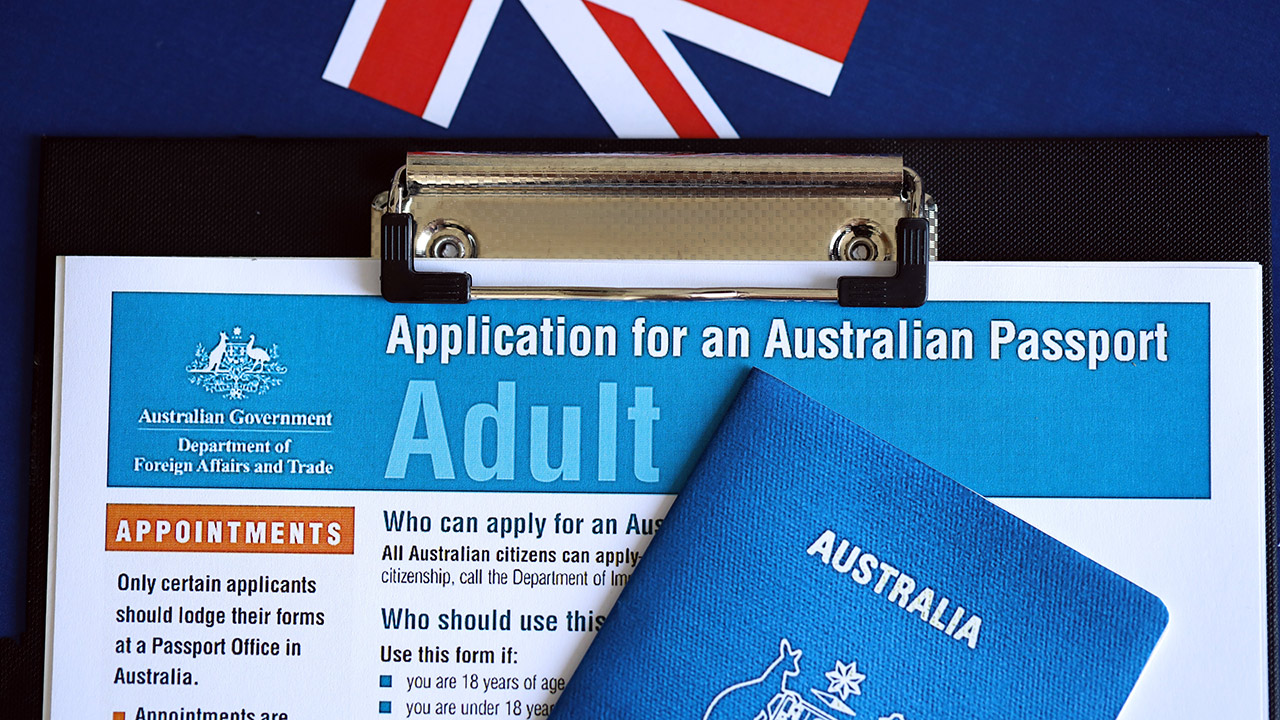
More than 1,500 people who applied for a parent visa to join their children in Australia died before their visa was even processed, according to new Department of Home Affairs figures covering the 21 months to 31 March. For families who have spent years, and sometimes life savings, trying to bring an elderly mother or father to this country, the numbers confirm a fear many have quietly carried: that the wait itself has become the biggest risk.
The data, reported by The Guardian, shows processing times for the non-contributory parent visa, which carries a fee of just under $9,000, have stretched out to an estimated 33 years. That is not a typo. A person applying today could be waiting well into their nineties, or not live to see the visa granted at all.
The more expensive contributory parent visa, priced at roughly $48,495 in fees, has previously been reported to carry wait times of around 14 years. Families who can afford it pay a premium precisely to avoid the decades-long queue attached to the cheaper option, though even that faster path still means years apart from ageing parents overseas.
Melbourne migration agent Navjot Singh Kailay, who has worked in the sector for almost a decade, said the deaths are not isolated tragedies but a pattern he has seen repeat itself among his own clients. “There are so many things involved that are hard to digest,” he told The Guardian. “Sometimes parents die while waiting for their permanent residency.”
The problem is not new, but it is deepening. Earlier department figures given to Senate estimates and reported by The Guardian in December 2024 showed 2,297 parent visa applicants and a further 87 other family members had died waiting over the three years to late 2024. At the time, a migration review warned that such long waits made “the probability of successful migration virtually nonexistent for many applicants” and described offering the visas at all as “both cruel and unnecessary.”
Adding to the uncertainty, the federal government is reported to be preparing an overhaul of the migration system, including tougher rules for family visas. For families with applications already lodged and years, or decades, still ahead of them, the prospect of the goalposts shifting again has only sharpened the anxiety.
Neither report details how many applications currently sit in the queue nor when any overhaul might take effect. Anyone with a parent visa application already lodged is advised to check the Department of Home Affairs website directly for their specific visa subclass and queue release dates, rather than rely on general reporting to judge where their own application stands.
For now, the figures stand as a stark reminder of what is at stake behind the paperwork. Every year added to the queue is a year some families simply do not have left together.

![Three hikers celebrate atop Katahdin beside a weathered summit sign with backpacks and blue sky above (split image).] ,](https://www.oversixty.com.au/wp-content/uploads/2026/09/OLD1.jpg)