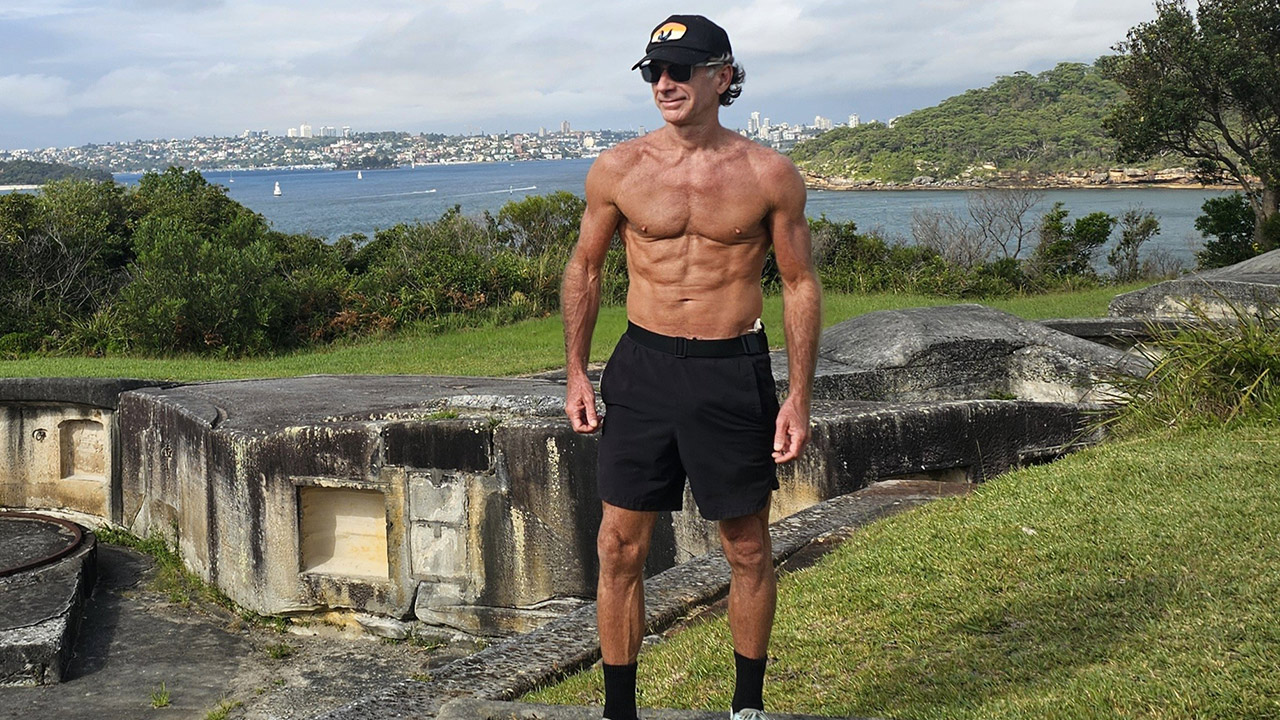
Nutritionist Sarah Di Lorenzo says she often sees people who cannot understand why the scales will not shift. “So many times I’ve had people come to see me that say: ‘I’m struggling to lose weight, I’ve got belly fat that just won’t budge, I’ve done diet after diet – I can’t do it’”, she told Australian Financial Review. “And I say to them: ‘It’s highly likely you’re resistant to insulin.’”
Insulin is the hormone made by the pancreas that controls how much glucose, or sugar, is circulating in the blood. It works by opening cells so they can take in glucose and use it as fuel. When the body stops responding properly to insulin, the pancreas tries to make up for it by releasing more, pushing glucose into the cells. One consequence can be persistent weight gain, because elevated insulin makes the body more inclined to store fat.
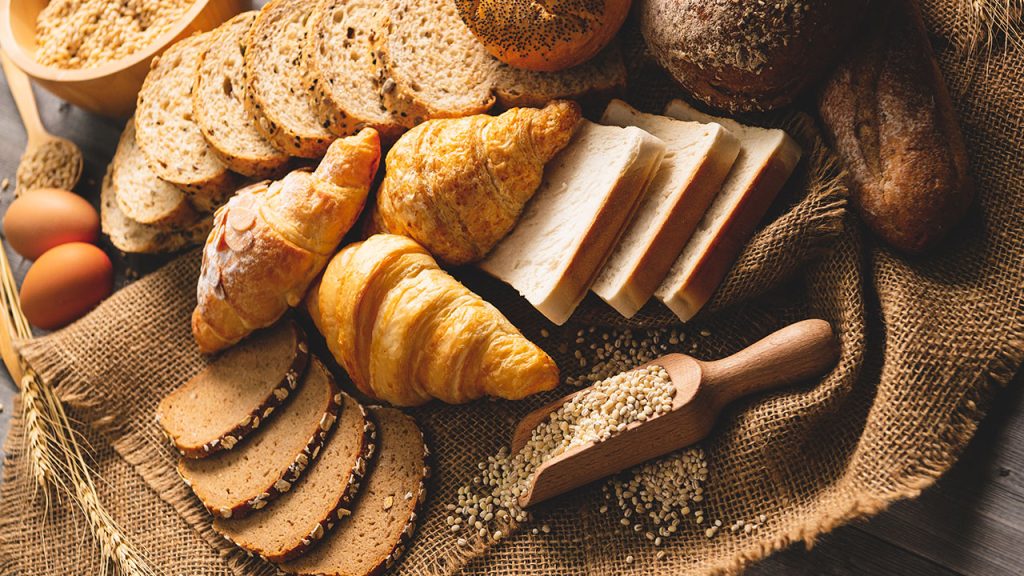
Di Lorenzo says the problem is already affecting a large share of adults. “Statistics currently show that 35 per cent of the adult population would have insulin resistance,” Di Lorenzo says. “But I’d hazard a guess that it’s actually a lot higher than that given that 67 per cent of Australia’s population is overweight.”
The issue is not only about gaining extra weight. Insulin resistance can also come before type 2 diabetes. Catching it early may help stop that progression. Early warning signs can include brain fog and fatigue, stronger thirst or food cravings, frequent urination and skin conditions. Because these symptoms are so common, many people dismiss them. Di Lorenzo advises all adults to have yearly blood tests to measure fasted glucose. “A healthy blood glucose is between 4 and 5.6mmol/L,” she says.
Concerned by how commonplace insulin resistance has become, Di Lorenzo wrote her new book, The Blood Sugar Repair Plan (Simon & Schuster), which looks at how to prevent, manage and even reverse high blood sugar and type 2 diabetes.
Much of her guidance focuses on diet and exercise. She suggests keeping carbohydrates to breakfast and lunch, since carbs trigger insulin release. In her view, the “key to success” is a balanced plate at each meal, with half made up of non-starchy vegetables, one quarter protein such as grilled fish or chicken, one quarter whole grains or legumes, and a source of healthy fat including avocado or olive oil.
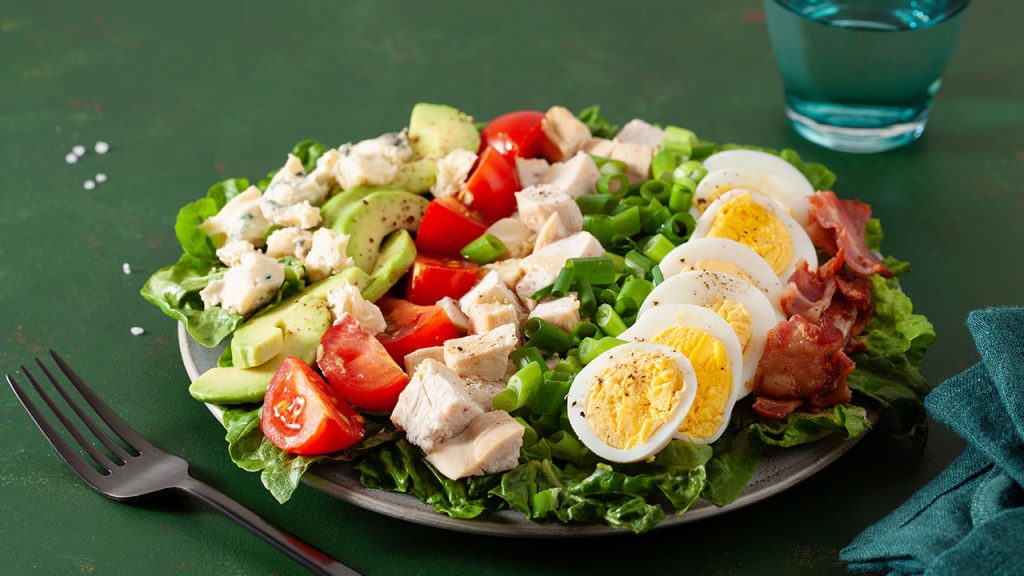
She also says the sequence in which food is eaten matters. “By eating the protein and fats first you’ll support digestion and help keep yourself full and then the fibre in the vegetables will slow down the absorption of glucose,” Di Lorenzo says.
There is another tactic she follows herself after finishing a meal. Once she puts down her cutlery, she does several rounds of seated calf raises beneath the table, lifting her heels while keeping her toes on the floor.
Research from the University of Houston in 2022 found that this small movement engages the soleus, the calf muscle that extends from just below the knee to the heel, and may cut post-meal blood sugar spikes by 52 per cent. “As soon as I finish eating, I’ve got into the habit of doing this for a couple of minutes,” the 53-year-old says.

She says that should not replace more structured exercise. People hoping to lower insulin should also make resistance training and weightlifting a priority. “Muscle is the biggest sponge in the body for glucose,” Di Lorenzo insists. “It’s like a glucose-disposal unit in our body.”
Lower-intensity movement has benefits too. A meta-analysis published in the journal Sports Medicine found that taking a brief walk after eating, even for five minutes, can help steady blood sugar.
For Di Lorenzo, the message is simple and urgent. “People don’t think about their blood sugar,” Di Lorenzo says. “But everything starts with the health of our blood vessels and the first thing to destroy that is excess glucose.”