
Imagine sending out hundreds of job applications and hearing almost nothing back, month after month, while your savings dwindle to nothing.
That is the reality facing Stacey Duguid, a 52-year-old former fashion editor whose story has struck a chord with readers around the country.
Duguid went viral after opening up about what she calls the “silent shame” of feeling “unemployable” in mid-life. Her account has resonated not simply because it is personal, but because it captures an anxiety many older jobseekers know intimately and often endure alone.
For 16 long months she has been submitting applications, hundreds of them, only to be met with silence. The repetition of that cycle – searching, applying, waiting and hearing nothing – has become its own kind of burden, especially when there is no clear explanation for why opportunities fail to materialise.
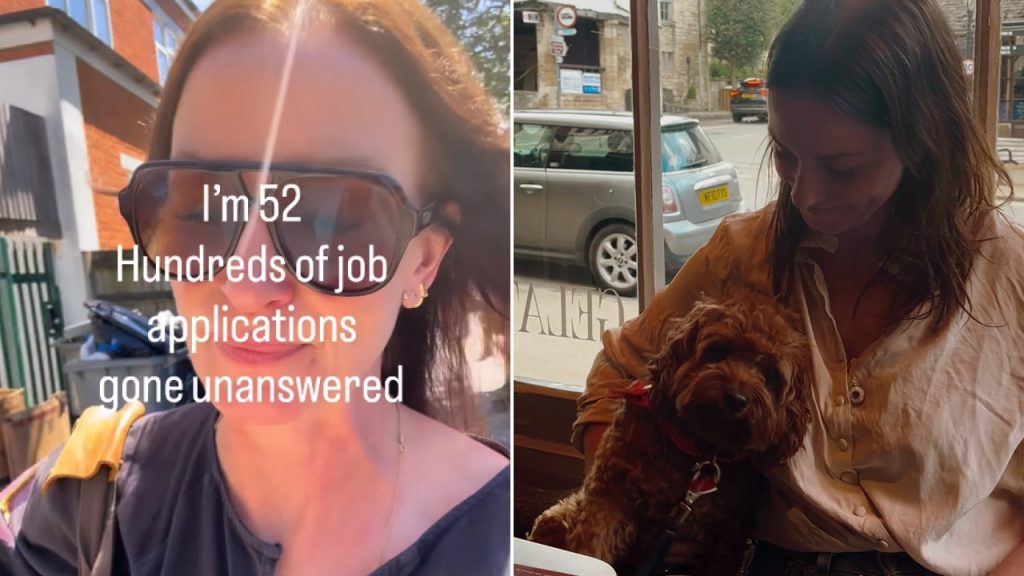
Her money, she says, has run out.
Faced with dwindling savings and a job market that seemed to look straight through her, Duguid made a bold decision. It was not a reinvention of her career, nor a rejection of her experience, but an attempt to navigate a system she believed was shutting her out before she had even been properly considered.
She took a pair of metaphorical scissors to her own career history and cut 20 years off her CV.
The theory was simple. If algorithms and recruiters were quietly filtering out candidates with decades of experience, then hiding that experience might be the only way to get a foot in the door. Rather than presenting the full arc of a long career, she reduced it, hoping a shorter version of her professional history might succeed where the complete one had not.
It is a decision that speaks to something many older Australians will recognise all too well. The challenge is not just finding work, but confronting the suspicion that age itself may be operating as an unspoken barrier, even when experience, judgment and capability should count in a candidate’s favour.

Skills built up over a lifetime, once considered an asset, can start to feel like a liability the moment a birth year appears on a form. What should signal depth and resilience can instead become something to conceal, especially for applicants who fear they are being screened out long before they reach interview stage.
Duguid’s willingness to speak publicly about that shame has resonated precisely because so many have felt it privately, never quite saying it out loud. There is a particular sting in feeling excluded after decades of work, and an added isolation in believing that the problem must somehow be personal rather than structural.
Her story is a reminder that experience should never be something a person feels forced to erase just to be seen. A long career ought to broaden a candidate’s appeal, not narrow it, and a record of sustained work should not have to be disguised in order to attract attention.