The fallout from State of Origin III is showing no signs of fading, with calls growing for a major review of the NRL’s Bunker after one of the series’ most controversial moments left players, fans and experts stunned.
The incident came with just over 20 minutes remaining and New South Wales leading 18-8. A high ball was contested by Blues debutant Jack Bostock and Queensland’s Robert Toia before the ball spilled loose and was gathered by Bradman Best, who raced away to score from long range.
The Bunker ruled that Bostock had not touched the ball during the aerial contest, allowing the try to stand and extending the Blues’ advantage to 24-8 – a decisive moment that effectively put the result beyond doubt.
However, post-match reviews told a different story.
“After reviewing all available angles, the Bunker did not believe there was sufficient evidence to overturn the on-field decision,” an NRL spokesperson said.
“Upon detailed review after the match, the NRL believes that while it was an extremely tight decision, the ball appeared to be touched.”
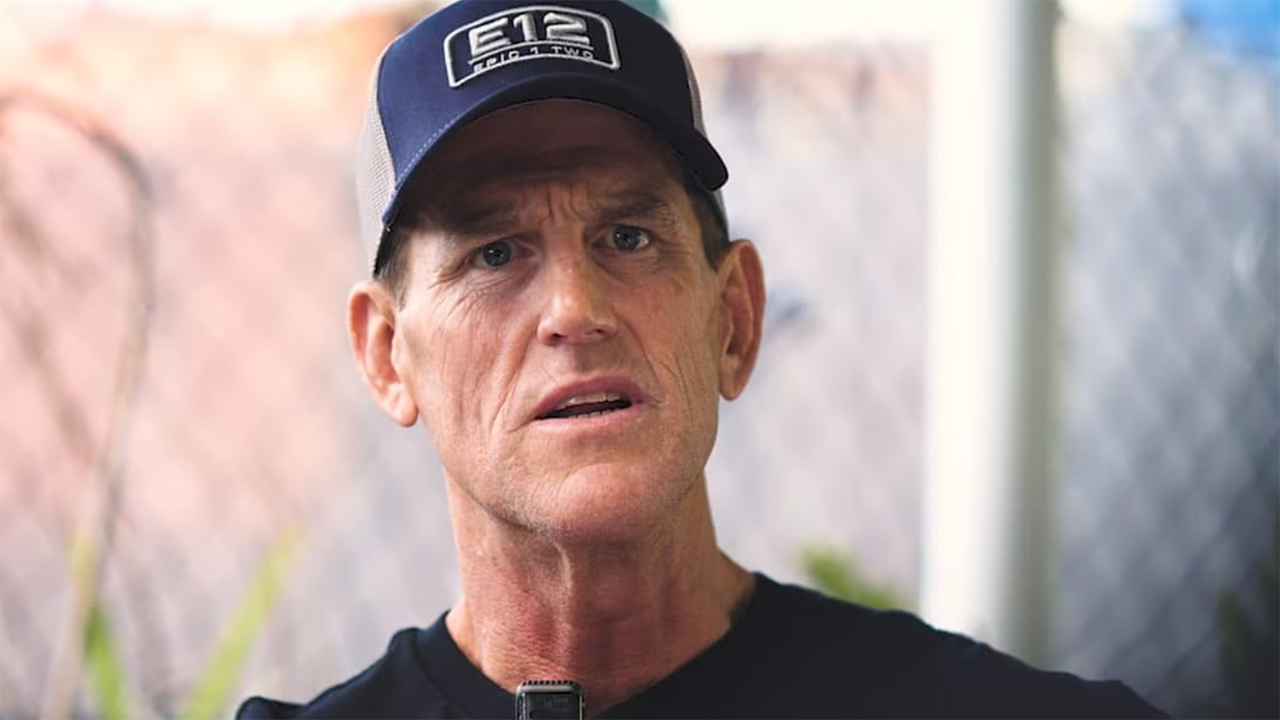
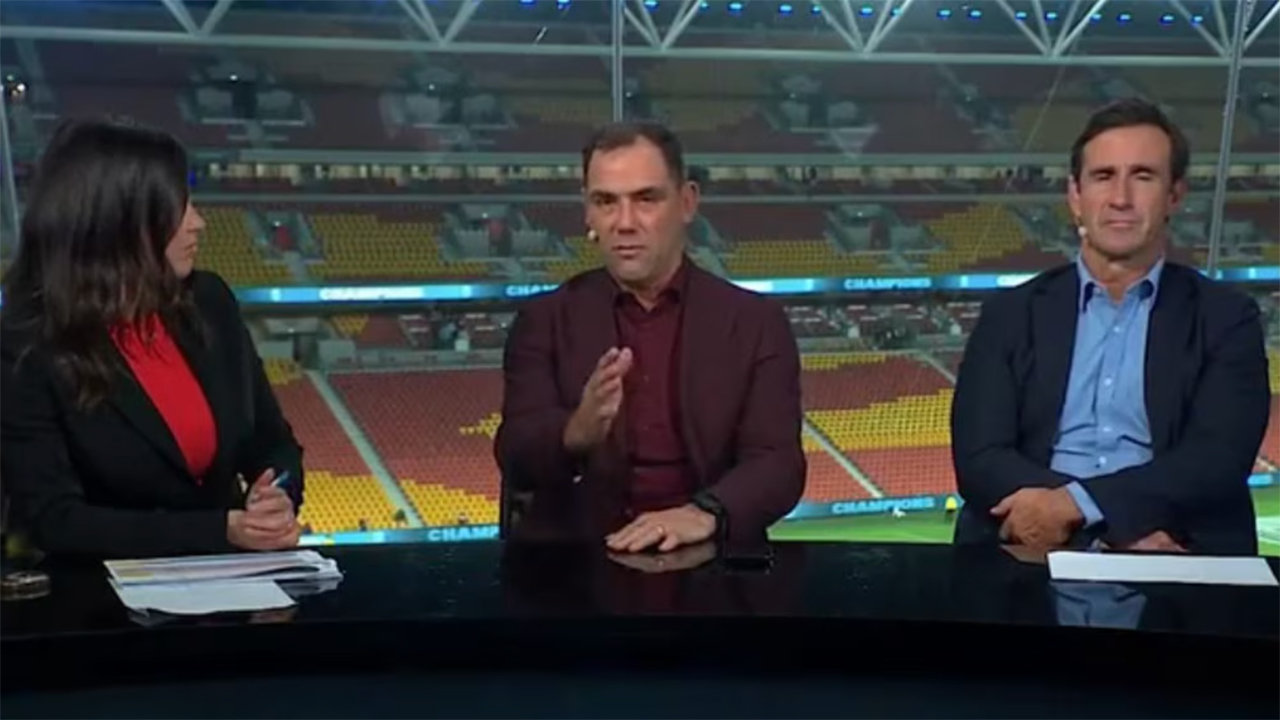
Queensland legend Cameron Smith led the criticism, calling for a “serious review” of the game’s video officiating system if the post-match assessment proved correct.
Smith argued the Bunker exists specifically to eliminate errors in the biggest moments and questioned how a call of such significance could be missed in an Origin decider.
The controversy was heightened by reports that the Bunker had relied on vision from a corner-post camera that was not shown on the television broadcast, leaving commentators and viewers unable to see the footage used to clear the play. Compounding matters further, a pre-match telecommunications outage had forced the Bunker to operate from a television truck at the ground rather than its usual centralised facility in Sydney.
To his credit, Smith conceded the decision may not have changed the eventual outcome of the match, which the Blues won comfortably to reclaim the shield. But he maintained the point was bigger than one result.
For many in rugby league, the question remains simple: if the game has access to multiple camera angles, slow-motion replays and dedicated officials, how can the biggest calls still go wrong on the biggest stage?
Image: Nine Network