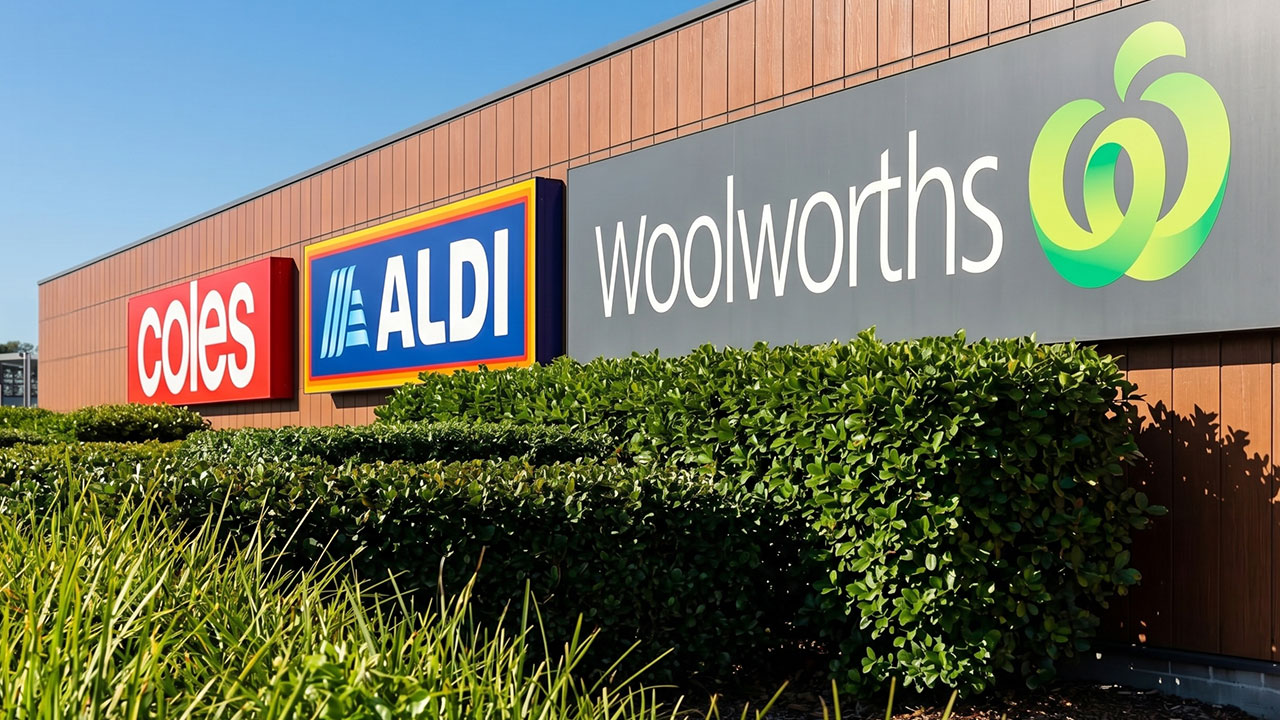
Aldi has taken out the title of Australia’s cheapest supermarket in a new quarterly basket survey from consumer group Choice, finishing almost $10 ahead of the major chains across a selection of common grocery products.
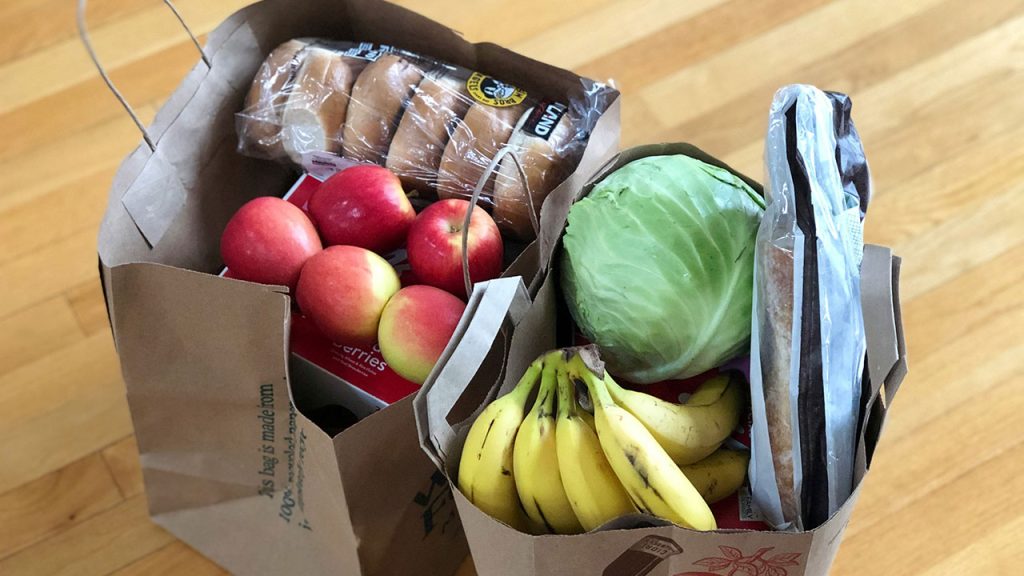
The survey looked at weekly essentials and winter warmers, comparing prices at Coles, Woolworths, Aldi and IGA. Choice examined 16 widely bought items: beef mince, a whole chicken, Royal Gala apples, Cavendish bananas, strawberries, avocado, leek, green beans, potatoes, full cream milk, basmati rice, honey mustard cooking sauce, beer-battered frozen chips, frozen apple pies, Tim Tam biscuits, and a large box of tissues.
Margaret Rafferty from Choice said the products selected were “equal” and “comparable” across the four supermarkets, rather than simply choosing the cheapest available options.
Without specials, Aldi came in lowest at $68.80. Woolworths followed at $77.53, Coles was next at $78.58, and IGA was the most expensive at $91.65.
Once specials were included, the order did not change. Aldi stayed in first place with an unchanged total of $68.60, Woolworths remained second at $76.82, Coles was third at $78.50, and IGA stayed fourth at $86.33.
Choice used undercover shoppers who visited 104 supermarket locations around Australia during March to carry out the comparison.
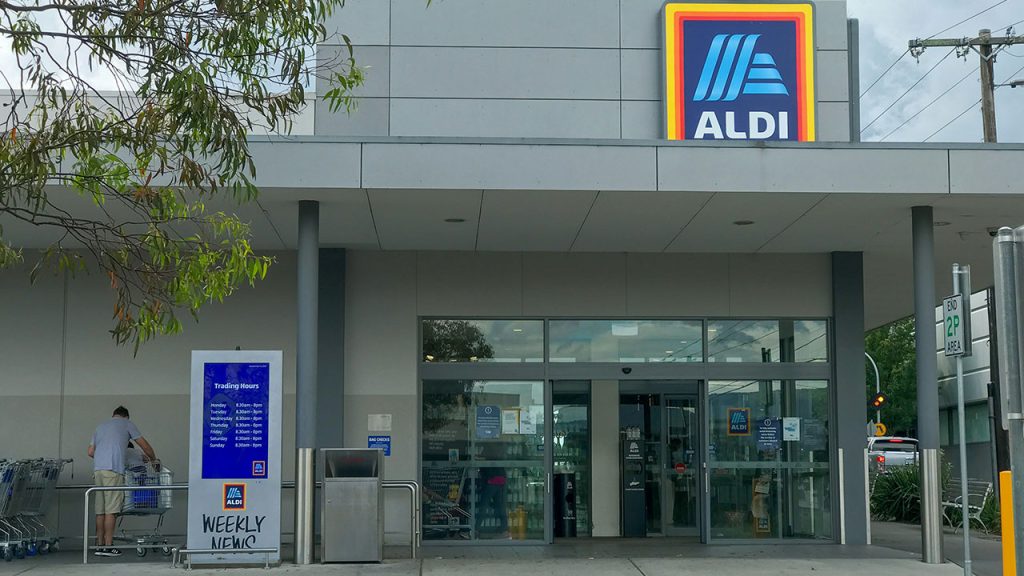
At Aldi, the basket contained one name-brand item, with the remaining products coming from the retailer’s home-brand range. At Woolworths and Coles, the comparison used the same three name-brand items, with the rest made up of home-brand products. IGA’s basket included five name-brand items because its home-brand offering is not as broad.
Although Aldi was the clear overall winner, the contest between Coles and Woolworths was tight. Without specials, Woolworths was just two cents cheaper than Coles. But when discounts were taken into account, Coles moved ahead and became six cents cheaper than Woolworths, helped by a special on beef mince during the survey period.
Choice said IGA does not operate under the same chain-store model as Aldi, Coles and Woolworths, because its stores are independently owned franchises. That led to “quite a lot of variation between the stores in the IGA network, often due to variation in store sizes and the effect this has on the ranges”.
The findings come as more Australians spread their grocery shopping across multiple supermarkets to chase lower prices. Research from Roy Morgan found 77 per cent of Australian grocery buyers now shop at at least two different supermarket chains each week.

Consumer expert Gavin Northey from Griffith University said this “cross shopping” or “two-store strategy” appears to be sticking around.
“Part of the reason for this is that Australian consumers are adopting a more pragmatic mindset and shifting their behaviour to maximise their shopping value,” Northey said.
He also said digital media has accelerated the trend by increasing visibility on pricing between the country’s biggest supermarket operators. It has “increased price transparency between the three major supermarket chains in Australia”.
“This might be why we are seeing the growth in ‘two-store’ shoppers. Fuelling this over the past decade is the growth in price comparison apps,” he said.
“When you combine this access to information with the high cost of living in Australia, you can understand why Australian consumers are looking for a bargain.”