Researchers from Curtin University have shed light on how the Stonehenge was built.
The monument, believed to have been constructed about 5000 years ago in Salisbury Plain, England has long been the topic of debate, mainly the question of how a stone-age society managed to transport the huge stones to the site.
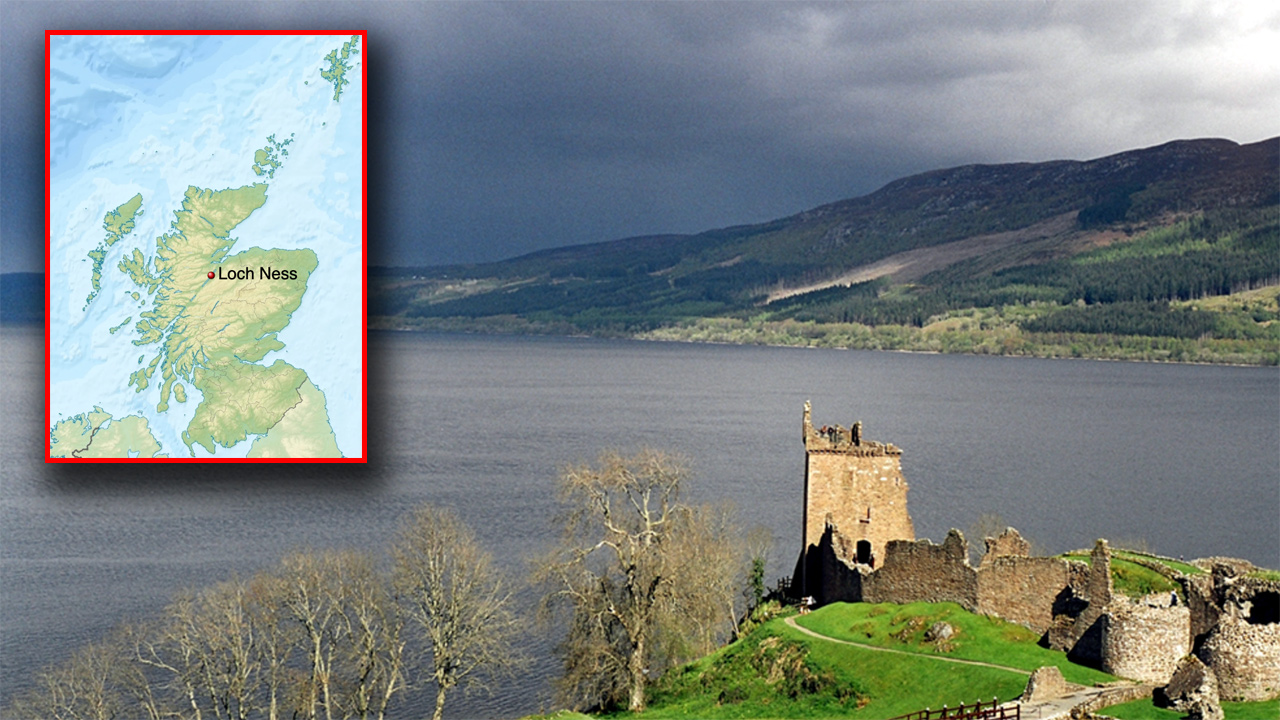
The central Altar Stone itself is a six-tonne sandstone believed to be from north-east Scotland, about 700km from the current location.
Initial theories include that Ice Age glaciers had carried the stones, however other studies have debunked this.
Co-lead author of the study published in the Journal of Quaternary Science, Dr Anthony Clarke, from the Timescales of Minerals Systems Group within Curtin’s School of Earth and Planetary Sciences, said that the stones were likely moved by people over arduous terrain.
“Rather than being carried naturally by ice, the evidence points to a deliberate, carefully planned movement across a challenging and varied landscape,” Clarke said.
“Our modelling shows glaciers may have transported rocks part of the way during the last Ice Age – potentially as far as Dogger Bank in the North Sea – but not into southern England, meaning the stone would still have needed to be moved hundreds of kilometres by people.”
He added that the stone was likely moved in stages, potentially through overland hauling an river or coastal transport.
The findings reveal that Neolithic communities had a level or organisation and communication, that was previously overlooked.
“Transporting a stone of this size over such a long distance would have required planning, coordination and a deep understanding of the landscape – not to mention tremendous determination,” Clarke said.
Image: Curtin University