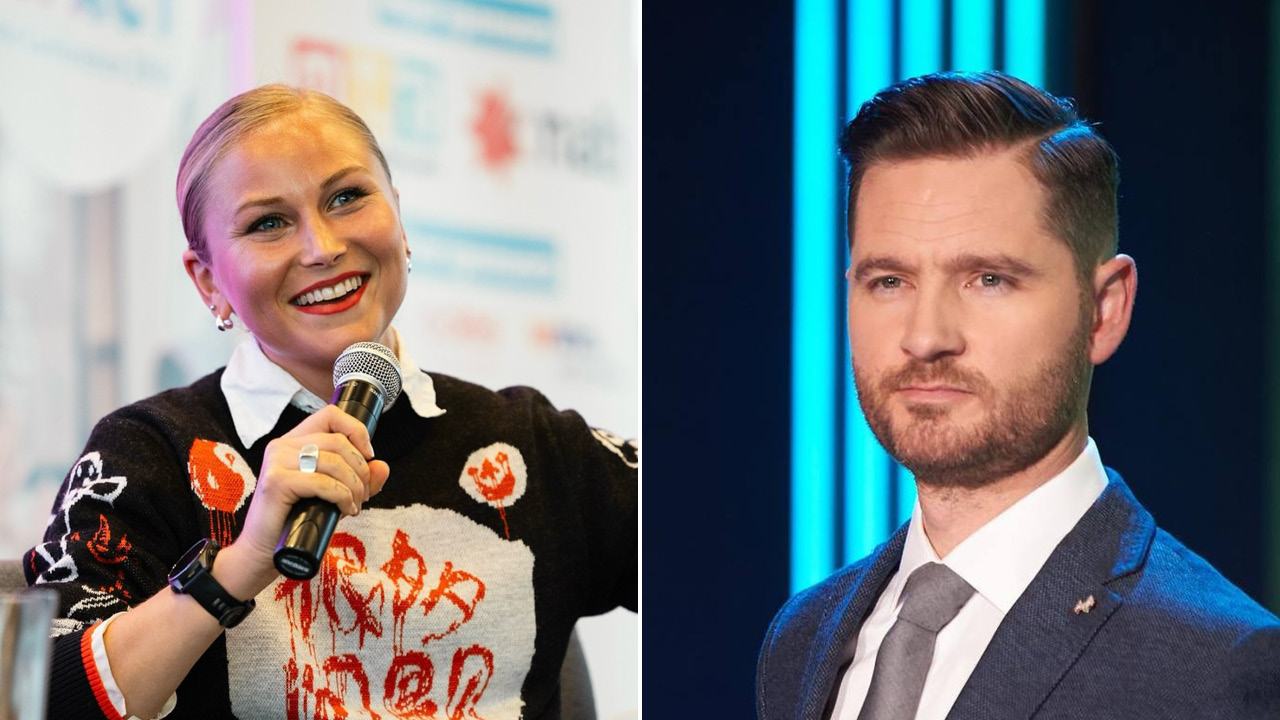
ABC personality Charlie Pickering has described the national broadcaster’s decision to launch a new podcast with former Australian of the Year Grace Tame as “problematic”.
The four-part series, Autistic AF, examines Tame’s experience as an autistic woman and features conversations with experts and other women. It was released amid continued criticism surrounding Tame’s appearance at a pro-Palestine rally, where she was filmed chanting “globalise the intifada”.
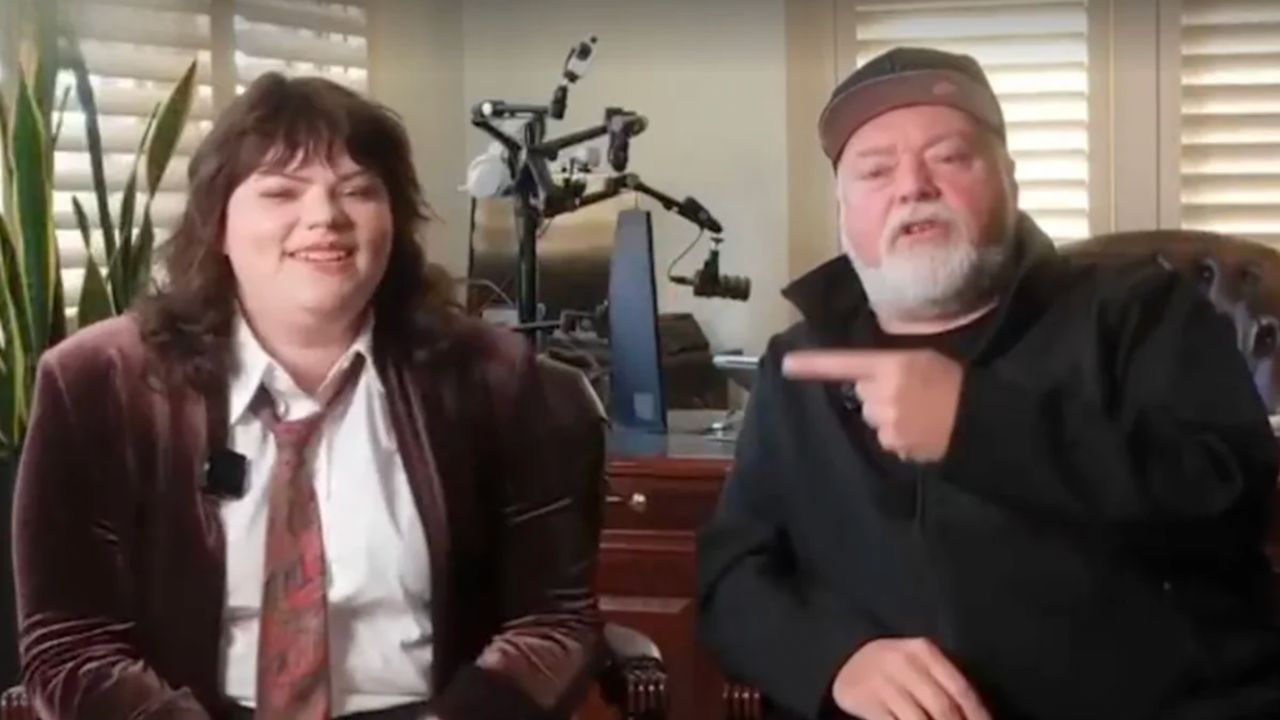
Speaking to Rebel News in a video shared on Instagram, Pickering said, “I do actually think it’s problematic, that’s my personal opinion.”
He added, “As you would understand, and as a Jewish Australian, there is a complete misunderstanding of a lot of the words that are said and what the true meaning of them are.
“A lot of people are using words and phrases that have meaning well beyond what they think they do.”
Pickering also said many people were quick to join protest movements without fully understanding what they were saying, but clarified he was not specifically referring to that particular rally or to Tame.
The ABC’s decision to work with Tame was also criticised by Australian Jewish Association chief executive Robert Gregory, who said the move showed poor judgment in light of recent controversies involving the child sexual abuse advocate.
“Not long after the Bondi attack, Grace Tame publicly called to ‘globalise the intifada’. The intifada was a period of bloody terrorist attacks against Jewish civilians in Israel,” he said.
“Just months ago, Tame dismissed reports of sexual violence committed against Israeli women on October 7 as ‘propaganda’ and falsely claimed they had been ‘debunked’ despite extensive evidence and investigations documenting those crimes.
“Tame was condemned across the political spectrum and has publicly complained about difficulties obtaining speaking engagements following her comments, but it appears that nothing is too outrageous for the ABC.
“This decision demonstrates a profound lack of judgment and a disregard for the concerns of many Australians, particularly within the Jewish community.”
The podcast’s release comes months after Tame said she had lost speaking engagements around the country in what she described as an “ongoing national smear campaign”.
She came under intense criticism after footage emerged of her chanting “globalise the intifada” at the pro-Palestine rally, and Prime Minister Anthony Albanese later described her as “difficult”.
The Australian Jewish Association also called for Tame to be removed as a guest speaker at a Bendigo Women’s Day breakfast.
Tame defended her actions in an interview with ABC radio host Hamish Macdonald, saying she was a human rights activist who supported the safety of all people, regardless of background.
However, she was further criticised by the National Council of Jewish Women Australia after disputing allegations that Israeli women were subjected to sexual violence during the Hamas attack in October 2023.
“Those things have been debunked … violence is happening on both sides. But this is not a fair fight. We’re not talking about two equal cohorts, even marginally,” she told Macdonald.
The council responded in a statement, saying Tame’s remarks were “a complete wilful distortion of facts”.
“We cannot comprehend why somebody who claims to fight for the victims of sexual abuse makes such an exception when those victims are Jews,” it said.
Separate to the controversy, Tame has said Autistic AF was created to explore the differences in how autism presents in women and to give autistic women a platform.
“Usually, I’m the person being interrogated, not that there was any interrogation going on here,” she told ABC Perth.
“It was a very gentle, explorative process, but I really loved listening to the expertise and lived experience of women who are autistic and who have dedicated their lives to understanding different brains.”
Tame said she was diagnosed with autism at 19 and found the experience confronting. She said women are often diagnosed later because they are generally better at masking and internalising their needs.
She said when someone goes too long without those needs being recognised, it can build into stress, health problems and mental illness.
“It’s really sad when you finally get a diagnosis and realise, well, if I had been diagnosed much earlier in my life, like boys are usually diagnosed in primary school,” she said.
“If I had been diagnosed much earlier in my life, perhaps I wouldn’t have gone down this path of, you know, being misdiagnosed or just not meeting needs that really needed to be met.”
Reflecting on her own diagnosis, Tame said it helped many parts of her life make sense.
“I was pretty reticent to take on board any other kind of label or identifying marker, I suppose, because I was still reeling from fresh trauma, and then I just needed a little bit of space,” she told ABC Perth.
“But it certainly did re-contextualise a lot of things and filled in missing links, and looking through that lens, I felt incredibly validated when I finally got around to actually consider consuming the resources there and getting tailored supports.”