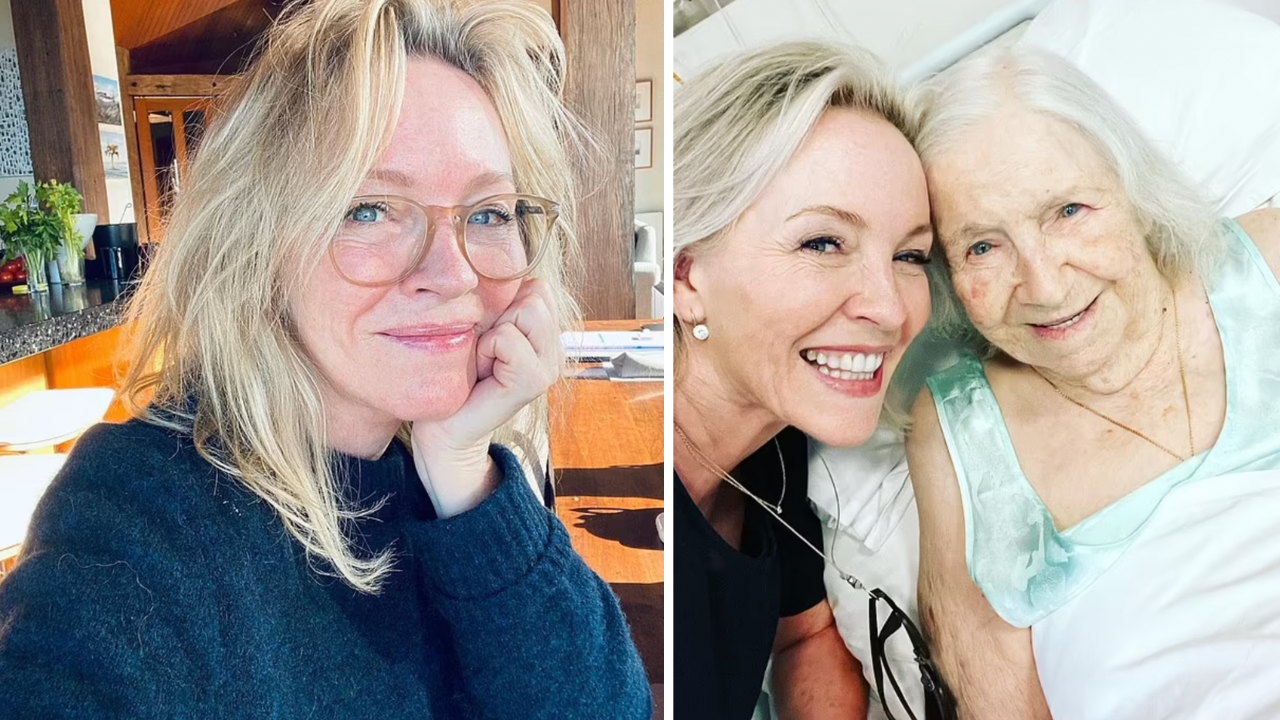
In her latest interview, the actress has candidly opened up about her mental health struggles and growing up around domestic abuse.
Our perception of time changes as we age, making the festive season feel like it rolls around in a flash each and every year.
Most people keep secrets, and staying hush about good news – like pregnancy, presents, proposals and promotions – tends to be freely chosen, enjoyable and energising.
Climate change anxiety is seeing more poeple beinf diagnosed with mental health problems and turning to substance use.
Stimulants are first-line drugs for attention-deficit hyperactivity disorder. But how do they effect the brain?
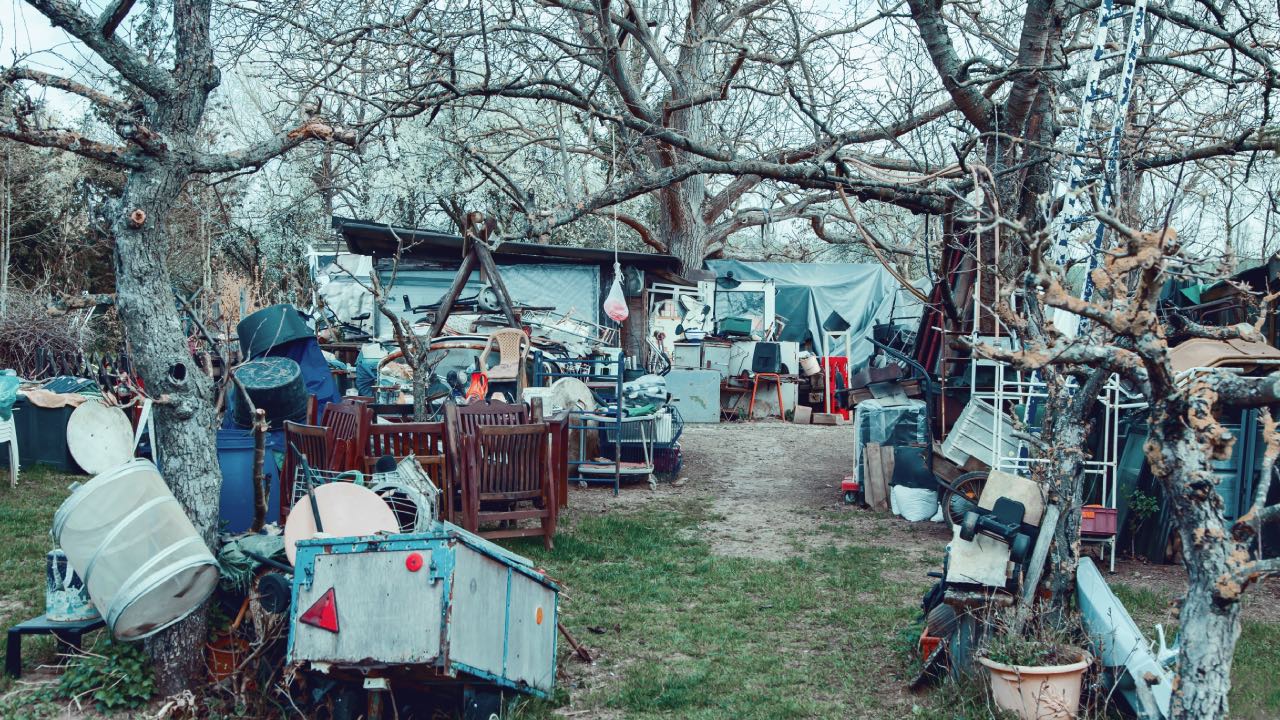
People who hoard and their families often feel ashamed and don’t get the support they need.
A recent study from Sweden found people with a history of chronic stress or depression had a heightened risk of developing Alzheimer’s disease.
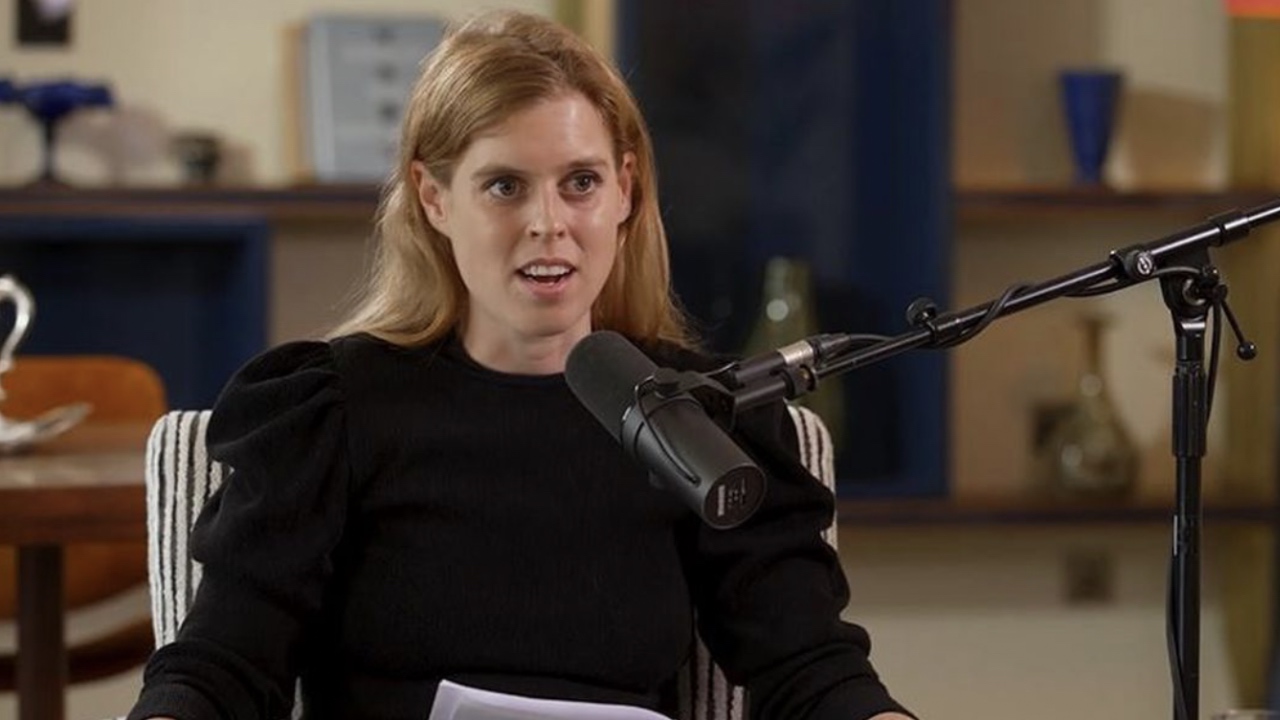
The royal has candidly shared the daunting troubles she has had to overcome in her day-to-day life after being diagnosed with dyslexia as a child.
We’ve all forgotten the word we need mid-sentence, and know the feeling of it being just on the tip of our tongue. But when can this be more serious?
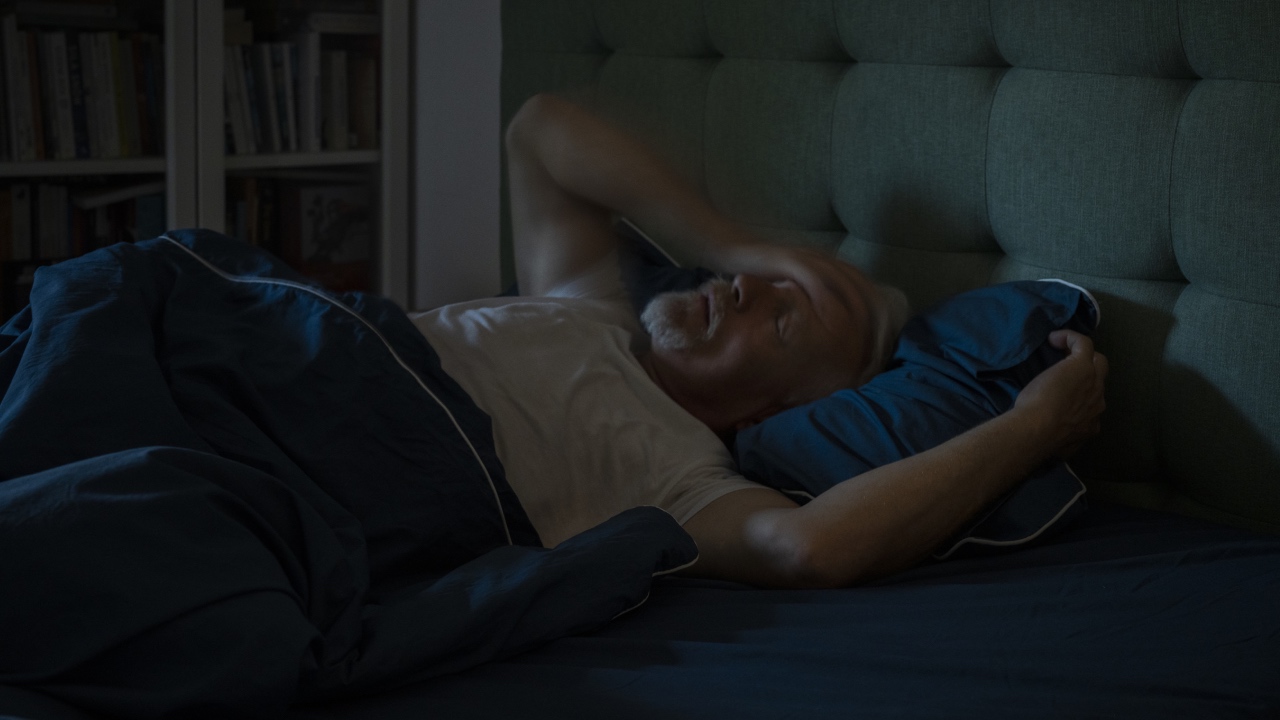
It turns out people who sleep well and those who sleep poorly have different kinds of thoughts before bed.
We all know that feeling when nature calls – but what’s far less understood is the psychology behind it.
How is it possible to think you’re sure about something, only to learn that your memory’s let you down, and you were wrong all along?