Women with breast cancer or endometriosis will continue to have free access to a life-saving drug after AstraZeneca reversed course under mounting public pressure and committed to supplying it in Australia indefinitely.
The company had previously said it would remove goserelin 3.6mg implant, sold as Zoladex, from both the Pharmaceutical Benefits Scheme and the private market in November. Before that last-minute reversal, several women told the ABC they had been weighing the removal of their ovaries because they were terrified of losing access to the medication.
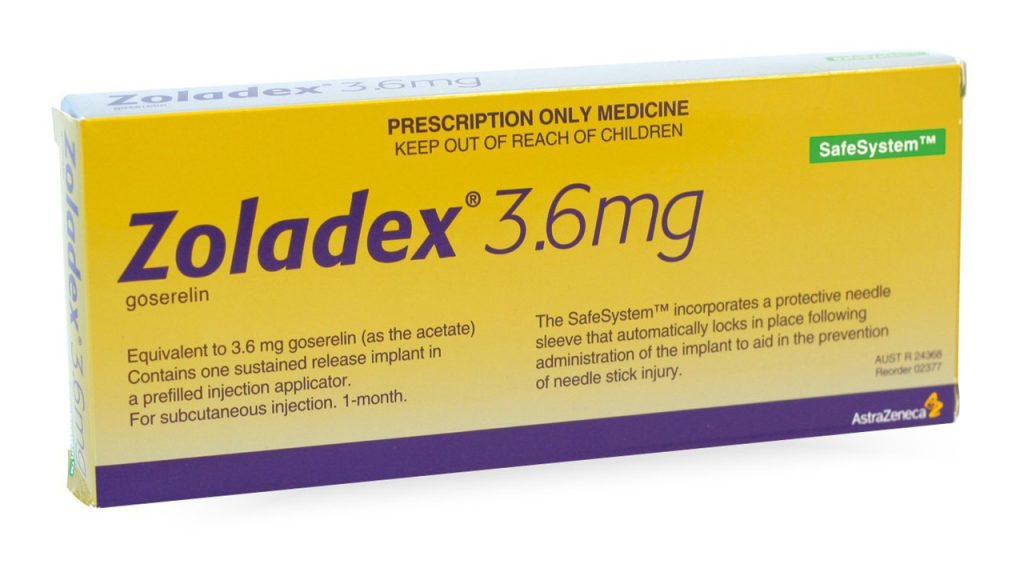
AstraZeneca had argued the Australian price for Zoladex was too low, “making it unsustainable to supply the medicine on the PBS”. The decision drew anger from patients, advocates and the wider public. A Change.org petition calling for urgent action gathered more than 42,000 signatures within weeks.
The company first proposed a six-month access program that would have provided the drug free of charge to patients with no alternative treatment options. It has now gone further, saying it will supply the medication indefinitely for people whose doctors decide there are no other suitable treatments available.
“This includes patients who are currently prescribed and patients who may need to be prescribed the implant as a treatment option after 1 November 2026,” an AstraZeneca spokesperson said.
Speaking to ABC News, Pharmaceutical commentator Paul Cross said the way pricing negotiations work may mean it is more beneficial for AstraZeneca to give Zoladex away in Australia than allow a low official price here to influence what other countries pay. He said international reference pricing, where governments use lower overseas prices as a benchmark in negotiations, was likely part of the company’s thinking.
“It’s quite possible that because it’s been provided for free it’s not included in the benchmark and that’s one of the workarounds,” he said.
Mr Cross, a former PBS adviser to the Howard government and ex-pharmaceutical executive, warned Australia could face more of these disputes as companies try to protect higher prices in major markets overseas.
“International reference pricing has been a feature of the global pharmaceutical industry for many, many years,” he said.
“Because you’ve got two behemoths now in the US and China being far more assertive on pricing, I think it’s fair for Australian patients who are already accessing medicines to contemplate whether they could be the next group to be impacted.”
Zoladex is given once a month as a pellet injected under the skin. It works by stopping the ovaries from producing oestrogen, a hormone that can drive many forms of breast cancer and worsen endometriosis.
Katie Elson, a Victorian public servant who has had breast cancer twice, said the stakes could not be higher because her cancer is hormonally fuelled. At 31, she said the uncertainty over the drug had made her think about having her ovaries removed.
“It’s either that or die,” she told ABC News.
“If I don’t have Zoladex, my cancer will spread, I’ll produce oestrogen again and then game over.”
Despite AstraZeneca’s revised position, Ms Elson said she still felt uneasy about relying on the company.
“It does feel like they could still pull the carpet from under us at any time,” she said.
“I will definitely still consider a hysterectomy, which is sad, but how can you trust a drug company that says one thing and then switches overnight?”
Other women had also considered surgery as the uncertainty over access deepened. For some, the choice was especially painful, balancing future fertility against the need to stay alive and cancer-free.
Health department figures show an estimated 8,600 patients were dispensed Zoladex in the first three months of the year. A 10.8mg version of the drug, given every 12 weeks, is available in Australia, but it is only approved and listed on the PBS for prostate cancer patients. That means women prescribed it for breast cancer would need to pay about $700 per dose privately, a cost many of the women interviewed by the ABC said they could not manage.
“It feels like to the people who are reliant on Zoladex, like a big middle finger,” Ms Elson said.
Rachelle Panitz, CEO of advocacy group SoBrave, said the uncertainty around Zoladex had piled extra pressure onto women already going through an intensely difficult period. She said there were still parts of the access arrangement that needed clarification.
“We just need some reassurance about whether that is going to be something long-term or if we can actually rely on that,” she said.
The Pharmaceutical Benefits Advisory Committee, which advises the government on PBS listings, is due to meet today to discuss listing an alternative medicine, triptorelin, which also suppresses hormones such as oestrogen and testosterone.
The Zoladex dispute is the latest in a series of prominent clashes between the federal government and major drug companies over the PBS. In April, Eli Lilly pulled diabetes drug Mounjaro from the PBS listing process, saying the price Australia was prepared to pay was too low. Earlier this month, a separate pricing battle involving two manufacturers of multiple sclerosis drugs raised fears that patients might be forced to spend tens of thousands of dollars a year for treatment before the government confirmed those medicines would stay on the PBS.
Under the PBS, patients can access medicines at a fraction of the full price, currently $25, or $7.70 for concession card holders. US pharmaceutical companies have long campaigned against the system, saying its pricing model undervalues innovation and risks billions in lost sales.
A 2024 review of the PBS, the Health Technology Assessment review, made several recommendations aimed at simplifying procedures and speeding up the listing of medicines. An advisory group is now shaping the government’s response, though the pharmaceutical industry says faster action is needed.
“We know patients want more certainty and faster access to cutting-edge medicine and treatments,” Health Minister Mark Butler said.
“That’s why our government is working through the recommendations of the HTA review, so Australians can get faster access to the best medicines and therapies, at a cost that patients and the community can afford.”
Ms Elson said both governments and pharmaceutical companies needed to keep sight of the people living with the consequences of these decisions.
“They should realise the people this impacts — and it’s not just a board full of suits,” she said.
“It’s people like myself who have used Zoladex for years to maintain their life or preserve their fertility going through the worst time of their lives.”