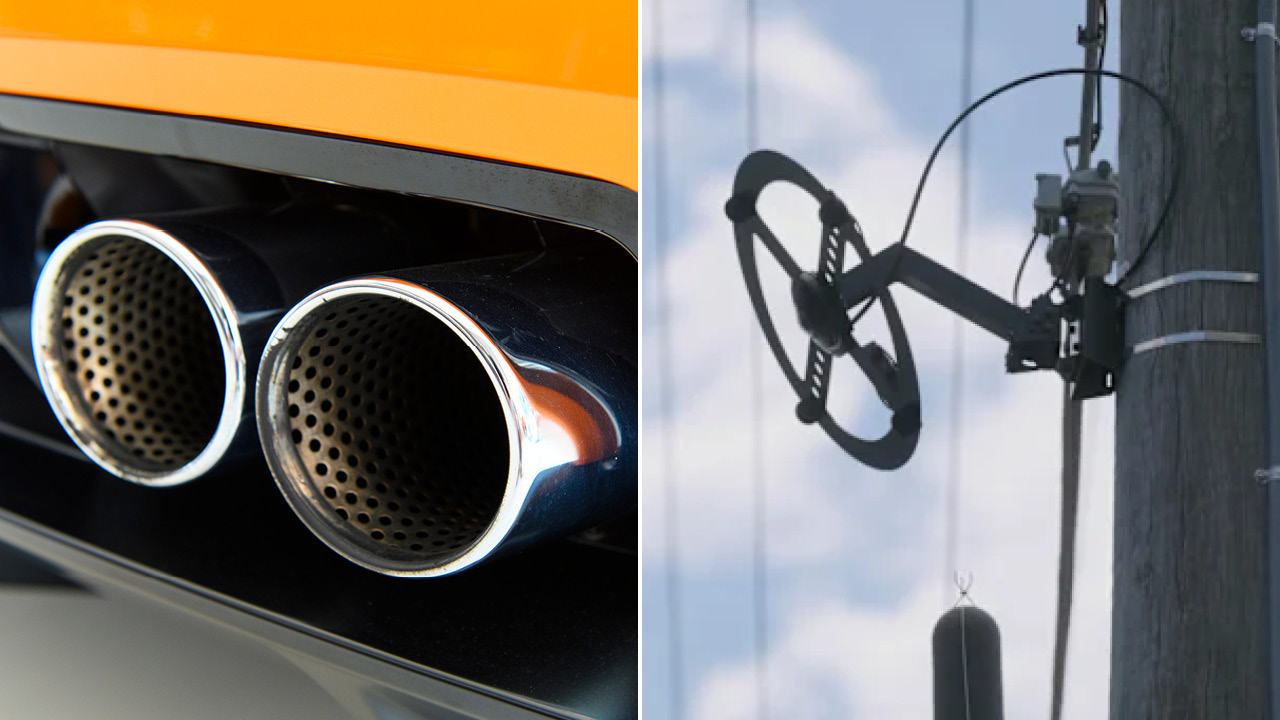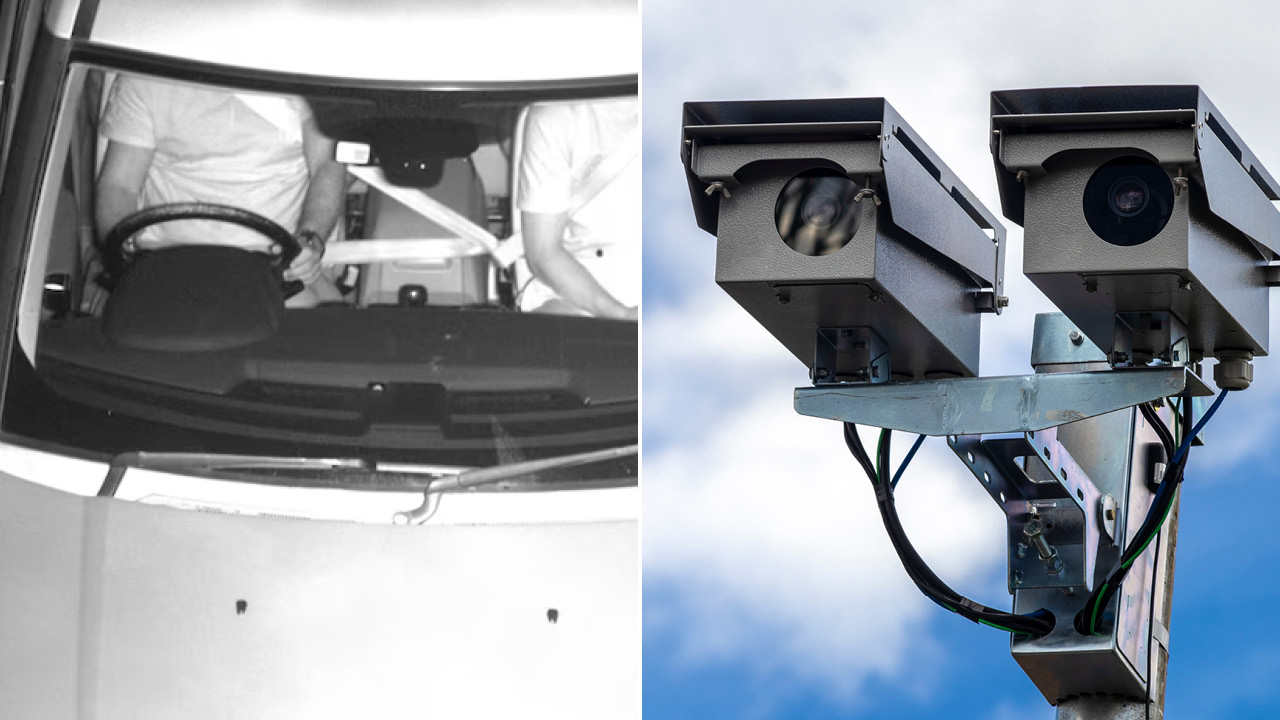
Police in New South Wales may soon be handed access to full, unedited images snapped by toll road cameras, in a move designed to help them chase down serious offenders.
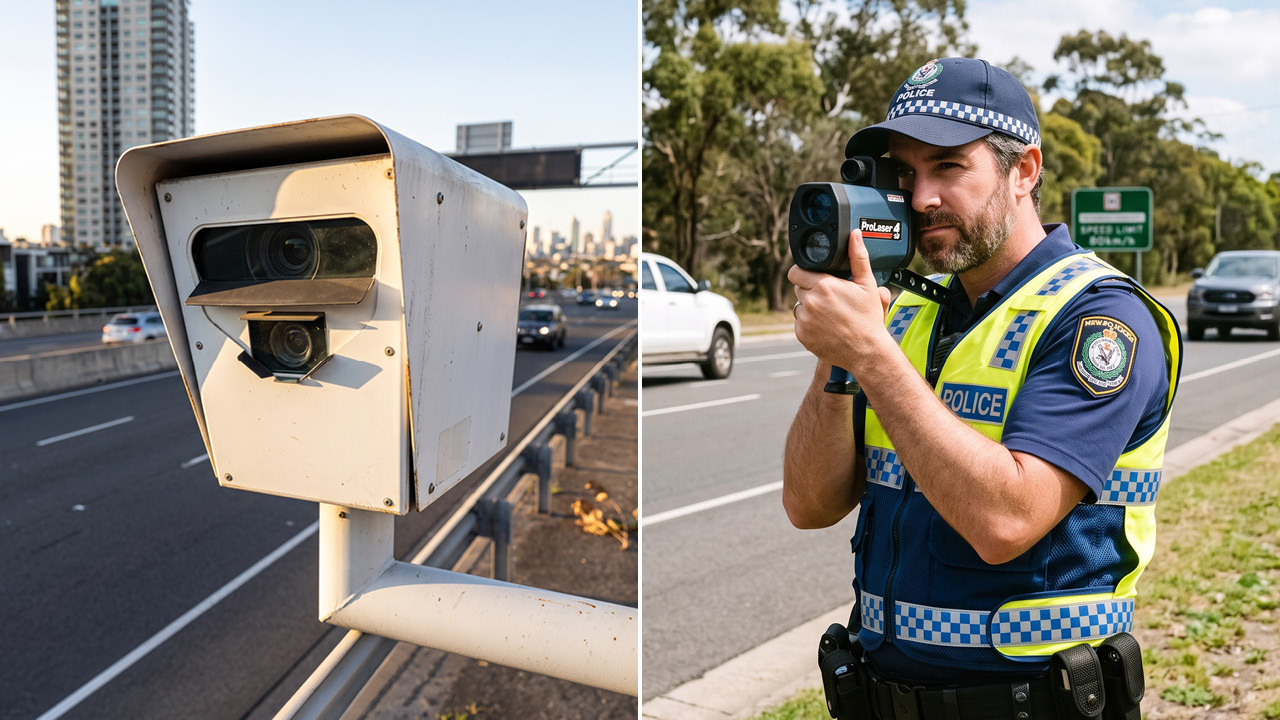
At present, the law requires that faces be blurred and pixelated in the photographs these cameras take. The systems exist mainly to capture number plate information, which is then used to bill motorists for travelling on the roads.
That approach is set to shift, however, under a plan revealed by Premier Chris Minns. The proposed powers are aimed at giving officers an advantage when pursuing criminals who fit false or stolen plates to their vehicles in a bid to evade justice for grave offences such as murder and organised crime.
Speaking to 2GB radio on Tuesday morning, Minns explained the problem. “We’ve had situations where crooks, very bad people who are involved in organised crime have changed the number plate of their cars, the cars have gone through toll gantries or in one of the tunnels,” he said.
Because the plates have been swapped, the vehicle offers investigators nothing to work with. “The number plate and the car are meaningless to the police because it’s not the right car, and yet the photo that is presented to the police has the images blackened out, the faces blackened out,” the Premier said.
Minns made clear the uncensored photographs would be reserved for tracking down offenders. He acknowledged the unease that surrounded the technology when it was first rolled out. “When the previous Government introduced the images, the photographs, there was public consternation about a private company collecting images. I understand there’s a concern about that,” he said.
Even so, he argued that the safety of the community should take priority when a genuine threat exists. “However, if there’s a serious intent or a concern about a crime being committed in New South Wales, the police have got a right to collect that information so they can stay one step ahead of the crooks, and at the moment, they don’t have it,” Minns said.
He believes the reform will close a gap that criminals currently exploit as they move around Sydney. “We think this will give police they need to ensure that they’re capturing people that are involved in serious crimes when they’re criss-crossing the city, and not just on surface roads,” he said.
Cabinet signed off on the plan on Monday afternoon, and the changes are expected to go before Parliament within the next few weeks.
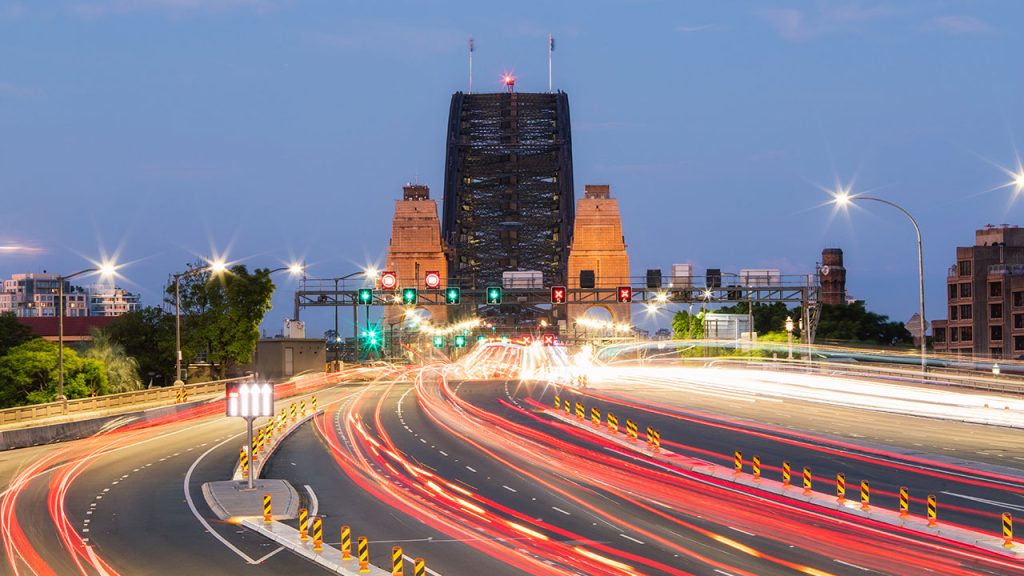
Initially, the powers will be tested on the Sydney Harbour Bridge and the Sydney Harbour Tunnel, the only two toll roads that the state government owns. Some adjustments to the equipment will be needed before the scheme can expand. “Some of the gantry cameras, I’m told, have to be readjusted so that they are capturing images in the cockpit of the car, rather than just the number plate. When that’s done, it will be used across the network,” Minns said.